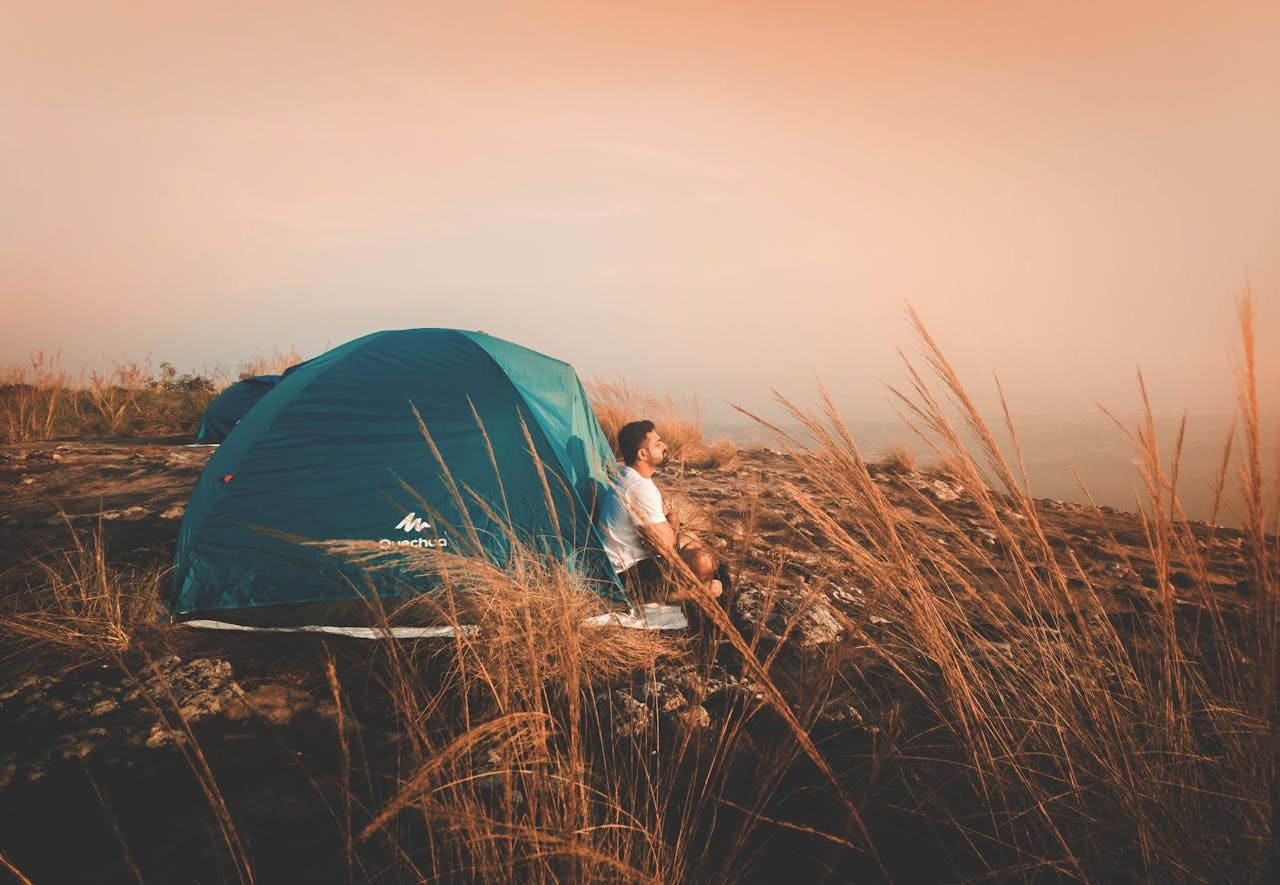
Stepping onto a plane alone, with nothing but a backpack and a passport, is one of the most liberating experiences a person can have. However, for the uninitiated, the prospect can be as terrifying as it is exciting. Will I be safe? Will I get lonely? How do I handle logistics without a partner?
This first-time solo travel guide is designed to dismantle those fears and replace them with actionable strategies. Solo travel is rising in popularity; according to recent industry trends, solo bookings have surged significantly post-pandemic, driven by a desire for autonomy and self-discovery. Whether you are planning a weekend getaway or a year-long gap year, the principles of safety, planning, and mindset remain the same.
The Psychology of Going Solo: Why Do It?
Before diving into logistics, it is essential to understand the why. Traveling alone forces you out of your comfort zone. Without a familiar face to rely on, you become the sole decision-maker. This builds resilience and self-confidence that translates into your daily life back home.
Furthermore, solo travel offers ultimate freedom. You can wake up when you want, eat where you want, and change your itinerary on a whim. There is no compromise—only pure, unadulterated exploration.
Step 1: Choosing the Right Destination
For your first trip, you want a destination that balances adventure with infrastructure. A “sink or swim” approach in a location with a massive language barrier and chaotic transport might be overwhelming.
Factors to Consider
- Safety: Check the Global Peace Index to see how countries rank regarding safety and political stability.
- Language Barrier: Going somewhere with high English proficiency or a language you speak can ease anxiety.
- Infrastructure: Reliable public transport and internet access are vital for first-timers.
Top Recommended Destinations for Beginners
The following table compares popular destinations often recommended for a first-time solo travel guide based on safety, ease of communication, and cost.
| Destination | Safety Rating (GPI) | English Proficiency | Budget Level | Primary Highlight |
|---|---|---|---|---|
| Iceland | Very High (Rank #1) | Excellent | High | Nature & Northern Lights |
| Japan | High | Moderate (High in cities) | Medium-High | Culture, Food & Transit |
| Portugal | High | Very High | Medium | Beaches, History & Hostels |
| New Zealand | Very High | Native | Medium-High | Adventure Sports & Scenery |
| Thailand | Moderate | Good (in tourist areas) | Low | Islands, Street Food & Temples |

Step 2: Safety Logistics and Risk Management
Safety is the number one concern for solo travelers, and rightfully so. However, the world is generally less dangerous than the 24-hour news cycle suggests. Preparation is your best defense.
Travel Insurance
Never leave home without it. If you get sick, injured, or have your gear stolen, insurance is your safety net. Ensure your policy covers medical evacuation. Comprehensive guides on travel insurance basics can help you understand what to look for in a policy, such as trip cancellation and emergency medical coverage.
Government Resources
Register your trip with your government. For US citizens, the Smart Traveler Enrollment Program (STEP) is a free service that allows U.S. citizens and nationals traveling and living abroad to enroll their trip with the nearest U.S. Embassy or Consulate.
Digital Safety
- Share Your Location: Use Google Maps or WhatsApp to share your live location with a trusted friend or family member.
- VPN: Protect your data when using public Wi-Fi at cafes and hostels.
- Digital Copies: Keep cloud-based copies of your passport and insurance documents.
Step 3: Budgeting and Financial Health
Running out of money is a quick way to ruin a trip. Use sites like Numbeo to estimate the cost of living in your destination.
Banking Tips
- Notify Your Bank: Let them know you are traveling to avoid fraud freezes.
- Carry Backups: Keep at least two cards (one Visa, one Mastercard) and store them in different places on your person.
- Emergency Cash: Keep $100–$200 USD in hidden cash for emergencies where ATMs are down.
For detailed advice on managing money abroad, financial experts at NerdWallet suggest avoiding airport currency exchanges due to poor rates.
Step 4: The Art of Packing Light
Dragging a heavy suitcase across cobblestone streets is a rookie mistake. Aim for a carry-on backpack (40L is usually sufficient).
- The Capsule Wardrobe: Pack clothes that can be layered and mixed. Stick to a neutral color palette.
- Liquids: Remember the TSA liquids rule if you are not checking a bag.
- First Aid: Bring basics like painkillers, bandaids, and Imodium. For specific vaccination requirements, always consult the CDC Travelers’ Health page.
Step 5: Beating Loneliness and Making Friends
Solo travel does not mean being alone all the time. In fact, you are more approachable when you are alone than when you are in a couple or group.
Accommodation Matters
Hostels are the social hubs of the travel world. You don’t have to sleep in a 12-bed dorm; many hostels offer private rooms with the benefit of a social common area. Platforms like Hostelworld allow you to view the “atmosphere” rating of a property before booking.
Structured Socializing
If walking into a bar alone feels daunting, join a structured activity:
- Free Walking Tours: Almost every major city has them. It’s a great way to meet people immediately upon arrival.
- Food Tours: Sharing a meal is the oldest way to bond.
- Co-working Spaces: If you are a digital nomad, these are goldmines for community.
Step 6: Health and Wellness on the Road
Travel burnout is real. Moving to a new city every two days is exhausting.
- Slow Down: Spend at least 3-4 days in one location.
- Hydrate: It sounds simple, but dehydration is a major cause of fatigue.
- Sleep: Bring earplugs and an eye mask. Hostel dorms can be noisy.
For global health updates and advisories, the World Health Organization (WHO) provides real-time data on potential outbreaks or health risks in specific regions.
Step 7: Cultural Etiquette and Respect
As a guest in another country, it is your responsibility to adapt to local norms. This keeps you safe and ensures you are a respectful ambassador for your home country.
- Dress Code: In many conservative countries, covering shoulders and knees is mandatory for both men and women, especially in religious sites.
- Tipping: In Japan, tipping is rude; in the USA, it is mandatory. Research the tipping culture beforehand using guides from Lonely Planet.
- Photography: Always ask permission before taking photos of locals.
Step 8: Technology is Your Best Friend
Your smartphone is the ultimate multitool for the solo traveler.
- Google Translate: Download the language offline. The camera feature that translates text instantly is a lifesaver for menus.
- Maps.me: An alternative to Google Maps that offers excellent offline trail data for hikers.
- Uber/Grab/Bolt: Rideshare apps prevent you from getting scammed by taxis and remove the language barrier in negotiating a destination.
Conclusion: Book the Ticket
The hardest part of your first-time solo travel guide journey isn’t the flight, the language, or the packing—it is making the decision to go. You will never be 100% ready. There will always be a reason to stay home.
But the growth, the stories, and the people you will meet are worth every ounce of initial anxiety. The world is waiting for you, and you are more capable than you think. Start with a small trip if you must, but start.
Are you ready to take the leap? Start researching your flight today and embrace the freedom of the open road.