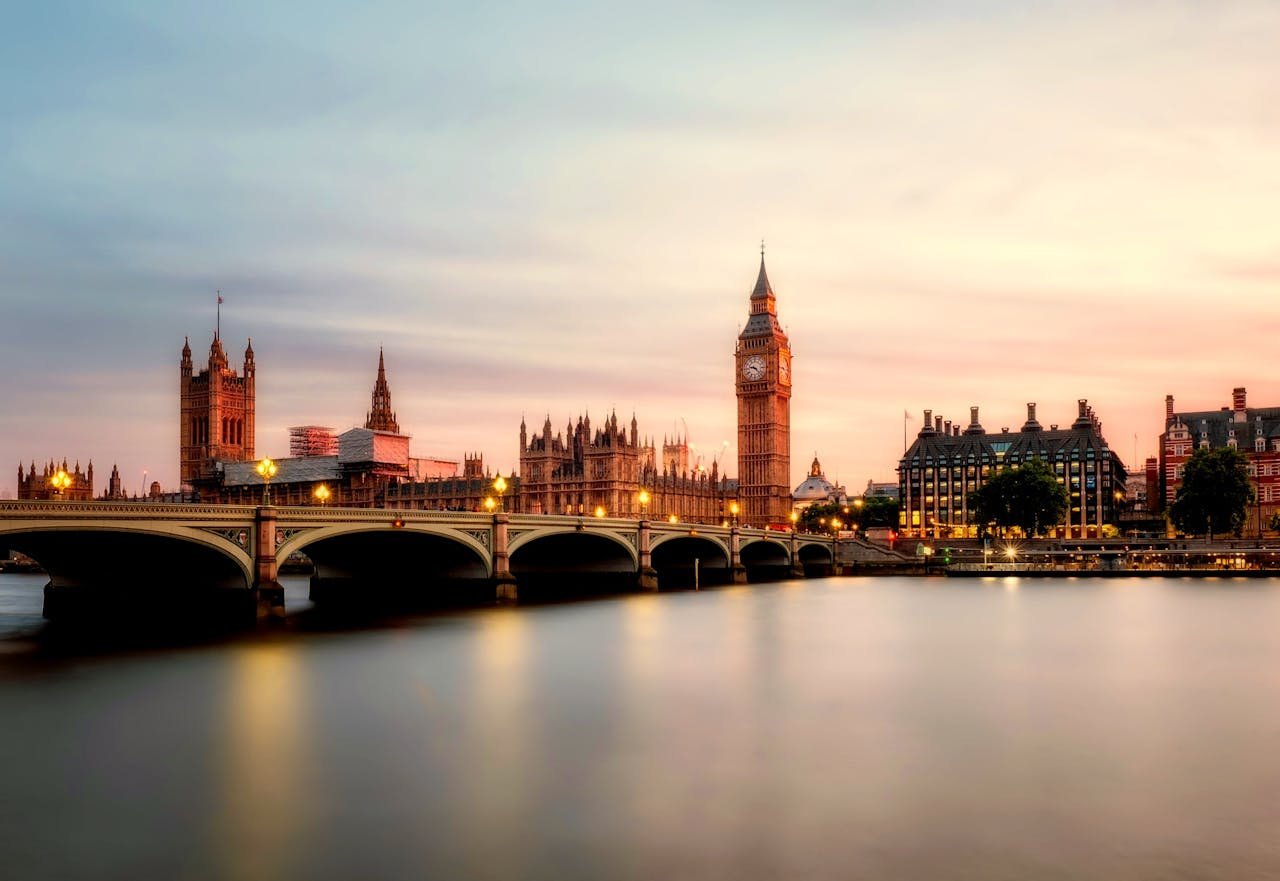
Dreaming of sipping espresso in a Roman piazza, gazing at the Northern Lights in Scandinavia, or wandering the medieval streets of Prague? For many, the allure of the Old Continent is undeniable, yet the perceived price tag can be a massive deterrent. However, with strategic planning and a shift in perspective, exploring Europe doesn’t require a trust fund.
This comprehensive budget travel Europe guide is designed to help you navigate the complexities of international travel while keeping your finances intact. By prioritizing value over luxury and adopting local habits, you can extend your trip and deepen your experiences.
1. Strategic Timing: The Art of the Shoulder Season
The single most impactful factor in your travel budget is when you choose to go. Summer (June through August) is peak season: prices for flights and accommodation skyrocket, and crowds can be overwhelming.
To maximize value, target the shoulder season (April-May and September-October). During these windows, the weather is generally mild, lines for major attractions are shorter, and accommodation prices can drop by 20-30%. According to travel expert Rick Steves, traveling off-season also allows for more authentic interactions with locals who aren’t fatigued by mass tourism.
2. Destination Selection: Go East or Go South
While London, Paris, and Zurich are legendary, they are among the most expensive cities in the world. To stretch your budget, consider shifting your focus geographically.
The Eastern Advantage
Countries in Eastern and Central Europe often offer incredible history, architecture, and culture at a fraction of the cost of their Western counterparts.
- Instead of France, try Portugal: You get world-class wine, stunning coastlines, and historic cities like Lisbon and Porto for significantly less.
- Instead of Austria, try Hungary or Poland: Budapest and Krakow offer grand architecture and rich history with a very affordable cost of living.
- Instead of Italy’s Amalfi Coast, try Albania: The Albanian Riviera offers pristine turquoise waters and Mediterranean cuisine at backpacker prices.
Consulting the Numbeo Cost of Living Index before booking can help you identify which countries currently offer the strongest purchasing power for your currency.
3. Transportation: Planes, Trains, and Automobiles
Getting around Europe is easier than almost anywhere else in the world, thanks to robust infrastructure. However, the costs vary wildly depending on your mode of transport.
The Eurail Pass vs. Point-to-Point
For decades, the Eurail Pass was the gold standard for budget backpackers. Today, it offers flexibility, but it isn’t always the cheapest option unless you are traveling long distances nearly every day. For specific itineraries, booking point-to-point tickets in advance often yields better savings.
For the most comprehensive advice on train travel, including how to find obscure discounts, The Man in Seat 61 is the definitive resource.
Budget Airlines
Carriers like Ryanair, EasyJet, and Wizz Air have revolutionized European travel. It is not uncommon to find flights between countries for as little as €20. However, be wary of hidden costs: baggage fees, seat selection, and airport transfers (as budget airports are often far from city centers) can add up quickly.
The Bus Alternative
If you have more time than money, companies like FlixBus offer extensive networks. While slower than trains, they are often significantly cheaper.

Comparative Cost Analysis: London to Paris
To illustrate the trade-offs, here is a comparison of travel modes for a typical one-way trip between London and Paris.
| Mode of Transport | Approx. Advance Cost | Travel Time (City Center to City Center) | Pros | Cons |
|---|---|---|---|---|
| High-Speed Train (Eurostar) | €60 – €150 | 2.5 Hours | Fastest, most comfortable, arrives centrally. | Expensive if not booked months ahead. |
| Budget Flight | €30 – €80 | 4 – 5 Hours | Low base fare. | Baggage fees, long transfers from airports. |
| Coach/Bus | €15 – €30 | 7 – 9 Hours | Cheapest option. | Slow, potential traffic delays, less comfortable. |
4. Accommodation Hacks Beyond Hotels
Hotels will eat roughly 40-50% of your daily budget. To adhere to a strict budget travel Europe guide, you must look at alternatives.
- Hostels: Modern hostels are far from the dingy dorms of the past. Many offer “pod” style privacy, coworking spaces, and private rooms. Platforms like Hostelworld allow you to filter by rating and atmosphere.
- House Sitting: If you are traveling slowly, platforms like TrustedHousesitters connect travelers with homeowners who need pet care. In exchange for walking a dog or feeding a cat, you get free accommodation.
- Couchsurfing: For the adventurous, Couchsurfing provides a platform to stay on a local’s couch or spare room for free. Beyond saving money, it is a powerful cultural exchange tool.
5. Dining: Eat Like a Local, Not a Tourist
Eating out three times a day will destroy any budget. Here is how to enjoy European cuisine without overspending:
- The “Menu of the Day”: In countries like Spain (Menu del Día) and France (Formule), lunch is the main meal. Restaurants offer set menus (starter, main, dessert, drink) for €12-€18. Dinner prices for the same food are often double.
- Street Food & Markets: Europe’s market culture is legendary. From currywurst in Berlin to crepes in Paris, street food is authentic and cheap.
- Grocery Picnics: Visit local supermarkets (Lidl, Aldi, Mercadona). A baguette, some local cheese, cured meat, and a bottle of wine can cost less than €10 total and makes for a romantic dinner in a park.
- Avoid the View: Never eat at a restaurant with a view of a major landmark (like the Colosseum or Eiffel Tower). Walk three blocks away into a residential neighborhood for better quality and half the price.
6. Cultural Experiences on a Shoestring
You don’t need to pay entrance fees to soak up culture. Many of Europe’s greatest assets are its streets, architecture, and public spaces.
- Free Walking Tours: Companies operate in almost every major European city. These are tip-based tours where enthusiastic guides show you the city highlights.
- Museum Days: Many major museums, such as the Louvre in Paris or the Prado in Madrid, offer free entry on specific days of the month or times of the day. Check their official websites in advance.
- UNESCO Sites: While some sites require tickets, many UNESCO World Heritage Sites are historic city centers (like Florence, Bruges, or Tallinn) which are completely free to explore on foot.
7. Logistics and Money Matters
Visa and Entry Requirements
Before booking, ensure you understand the entry requirements. For many non-EU citizens, the Schengen Area allows visa-free travel for 90 days within a 180-day period. Be aware that starting soon, travelers from visa-exempt countries will need to apply for ETIAS authorization prior to arrival.
Currency and Banking
Avoid airport currency exchanges at all costs; they offer the worst rates. Instead, use a travel-friendly bank card.
- Neobanks: Services like Revolut or Wise allow you to hold multiple currencies and spend abroad with the real exchange rate and minimal fees.
- ATM Etiquette: When an ATM asks if you want to be charged in your home currency or the local currency (EUR, GBP, PLN), always choose the local currency. Choosing your home currency triggers “Dynamic Currency Conversion,” which allows the ATM operator to set a terrible exchange rate.
- Check live rates on XE.com so you know the baseline value of the currency you are using.
Travel Insurance
Budget travel does not mean skipping safety. A medical emergency abroad can cost thousands. Providers like World Nomads or SafetyWing are popular among backpackers for covering medical emergencies, theft, and trip cancellations.
Conclusion
Europe remains one of the most diverse and dense cultural landscapes on Earth. While costs have risen, the continent is still accessible to those willing to plan creatively. By traveling in the shoulder season, utilizing budget transport, embracing the hostel or house-sitting culture, and eating like a local, you can execute a trip that is rich in memories but light on costs.
Use this budget travel Europe guide as your blueprint. Stop dreaming about the trip and start planning it—adventure is more affordable than you think.