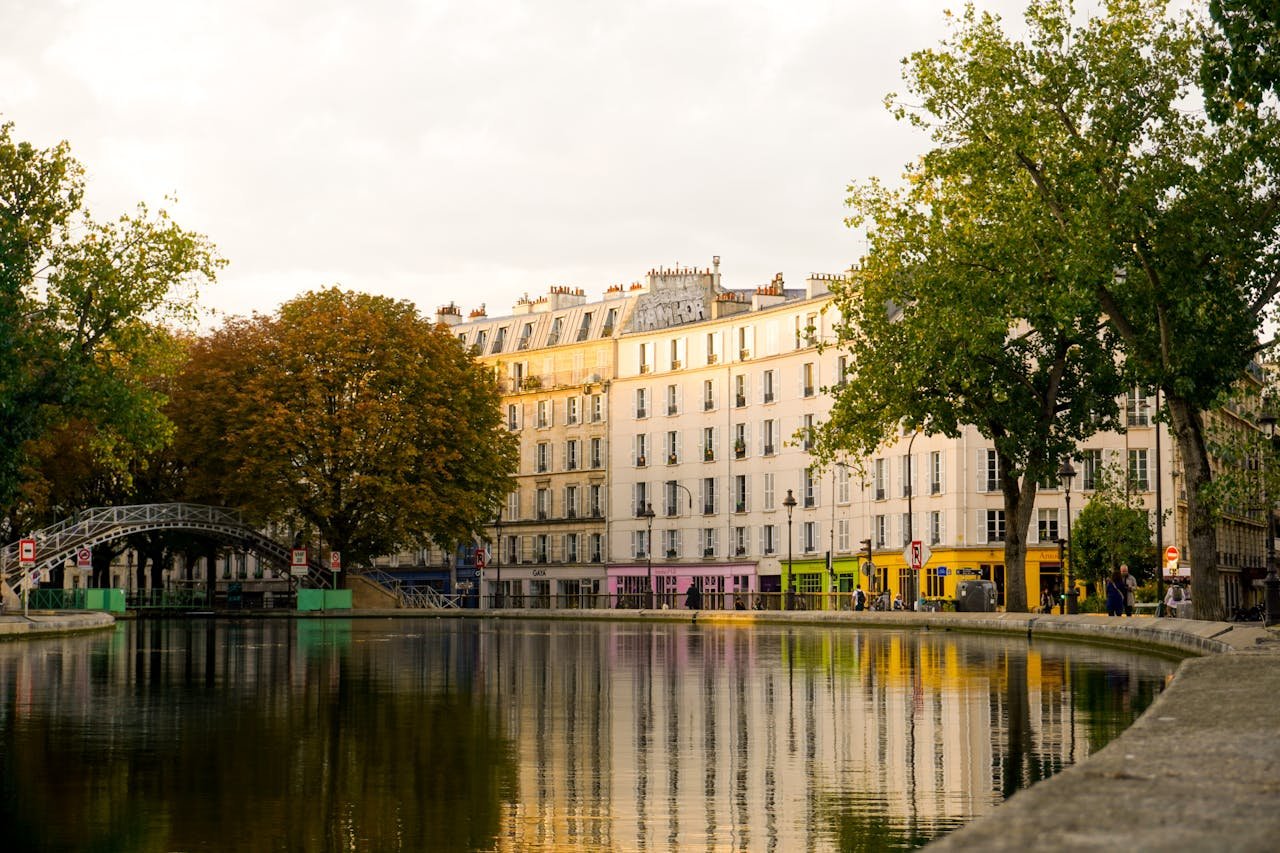
Nestled in the heart of the 10th and 11th arrondissements, the Canal Saint-Martin is far more than just a 4.6-kilometre stretch of water. It is a living, breathing symbol of the modern Parisian lifestyle. Whether you are seeking tranquil walks, a glimpse into cinematic history, or a vibrant creative hub, this historic waterway offers a unique blend of industrial heritage and contemporary chic.
Originally commissioned by Napoleon I in 1802 to supply the city with fresh water and food, the canal has undergone a remarkable urban renewal. Today, it serves as a sanctuary for locals and tourists alike, providing a much-needed “blue space” that researchers suggest can significantly improve mental health and well-being. In this guide, we explore why the Canal Saint-Martin should be at the top of your Paris itinerary.
Why Visit Canal Saint-Martin?
The atmosphere here is worlds away from the manicured gardens of the Louvre or the bustling crowds of the Eiffel Tower. The canal is lined with chestnut trees and iconic arched footbridges made of iron, offering a picturesque backdrop for an evening apéro. If you recognise the green iron bridges, it might be because the area served as a famous Amélie filming location, cementing its status in global pop culture.
From a health perspective, spending time near Paris waterways offers several benefits:
- Stress Reduction: The rhythmic sound of water and the presence of greenery can lower cortisol levels, according to Mayo Clinic experts.
- Physical Activity: The flat towpaths are ideal for reaching your daily step goals. You can learn more about walking for health via the NHS.
- Social Connection: The canal is a natural meeting point, fostering social connection, which is vital for long-term emotional resilience.
Canal Saint-Martin vs. The River Seine: At a Glance
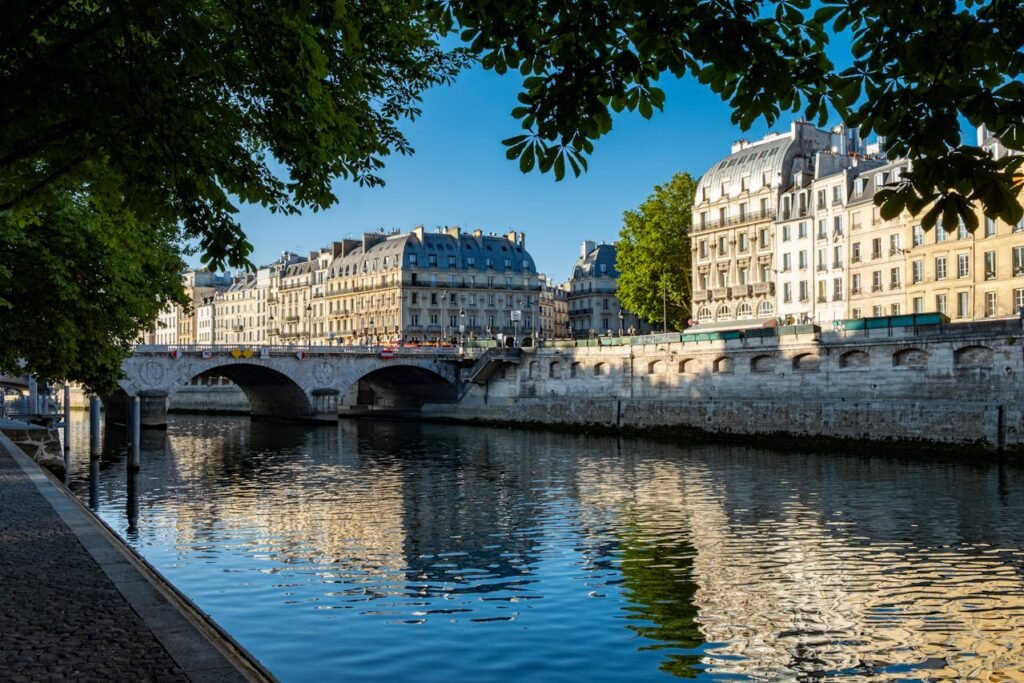
While the Seine is the grand artery of Paris, the Canal Saint-Martin offers a more intimate, local experience. Use the table below to decide which vibe suits your mood.
| Feature | Canal Saint-Martin | River Seine |
|---|---|---|
| Primary Vibe | Bohemian, local, relaxed | Grand, majestic, tourist-centric |
| Key Landmarks | Iron bridges, Hotel du Nord | Notre Dame, Eiffel Tower, Louvre |
| Best Activity | Picnicking by the water | Sightseeing cruises |
| Crowd Level | Moderate (mostly locals) | High (international tourists) |
Must-See Spots and Activities
1. Crossing the Arched Footbridges
The arched footbridges (passerelles) are the signature architectural feature of the area. Climbing these provides a fantastic vantage point for photography and allows you to watch the complex system of locks in action. This mechanical process is a fascinating relic of the 19th-century Canal Saint-Martin history.
2. Relaxing at the Best Picnic Spots
On warm summer evenings, the stone quays transform into the city’s most popular picnic spots. Grabbing a baguette, some local cheese, and a bottle of wine is a quintessential Parisian experience. Not only does this allow you to soak up the colour of the city, but eating outdoors can also improve your mood and intake of vitamin D from sunlight.
3. Exploring the Bassin de la Villette
Following the canal north leads you to the Bassin de la Villette, the largest artificial lake in Paris. This area is perfect for canal cruises or even renting small electric boats. It’s a great way to see the city from a different perspective while enjoying the benefits of nature and well-being.
4. Shopping and Street Art
The streets flanking the canal, such as Rue de Marseille and Rue Beaurepaire, are home to hip boutiques and concept stores. As you wander, keep an eye out for vibrant street art that adorns the walls of the 10th arrondissement, reflecting the area’s gritty yet artistic soul. This creative environment is often cited by Time Out as one of the coolest neighbourhoods in the world.
Practical Tips for Your Visit
To make the most of your time at the Canal Saint-Martin, consider these expert recommendations:
- Timing is Everything: Visit on a Sunday when many of the roads alongside the canal are closed to cars, prioritising pedestrians and cyclists to improve urban air quality.
- Wear Comfortable Shoes: You will likely be doing a lot of walking. According to Harvard Health, even a 20-minute brisk walk can have significant cardiac benefits.
- Stay Hydrated: While there are plenty of cafes, carry a reusable water bottle to stay hydrated during your tranquil walks. You can find free water fountains throughout Paris as part of the city’s commitment to sustainable travel.
- Check the Locks: If you want to see the canal cruises pass through the locks, head to the intersection near Rue de la Grange aux Belles. It’s a masterclass in hydraulic engineering.
A Note on Sustainability
The Canal Saint-Martin is a delicate ecosystem. Local authorities frequently remind visitors to dispose of their rubbish properly to protect the waterway. Maintaining these spaces is a collective effort for the community and peace of the city. You can read more about local environmental efforts in Le Monde’s English edition.
Frequently Asked Questions (FAQs)
Is the Canal Saint-Martin safe to visit at night?
Yes, the area is generally safe and very lively in the evenings. However, like any popular urban area, you should stay aware of your surroundings and keep your belongings secure. The high volume of people during evening apéro hours creates a communal atmosphere that is usually very welcoming.
Can you swim in the Canal Saint-Martin?
Swimming is strictly prohibited in the canal itself due to boat traffic and water quality. However, during the summer “Paris Plages” event, designated swimming areas are often set up nearby in the Bassin de la Villette, which are monitored for safety and hygiene.
How do I get to the Canal Saint-Martin?
The most convenient way to reach the heart of the canal is via the Paris Metro. Stations like République (Lines 3, 5, 8, 9, and 11) or Jacques Bonsergent (Line 5) put you just a short walk away from the water’s edge. For more travel logistics, check the Official Paris Tourism Website.
Was a scene from ‘Amélie’ really filmed here?
Yes! One of the most famous scenes from the film Le Fabuleux Destin d’Amélie Poulain, where the protagonist skips stones across the water, was filmed at the Lock of the Récollets. You can find more details on the film’s locations at IMDb.
Is the area accessible for those with limited mobility?
While the towpaths are flat, the iconic arched footbridges involve steep stairs. However, there are road-level crossings at various points along the canal that provide accessible routes for everyone to enjoy the view. National geographic offers interesting insights into the geography of Paris for those planning extensive routes.