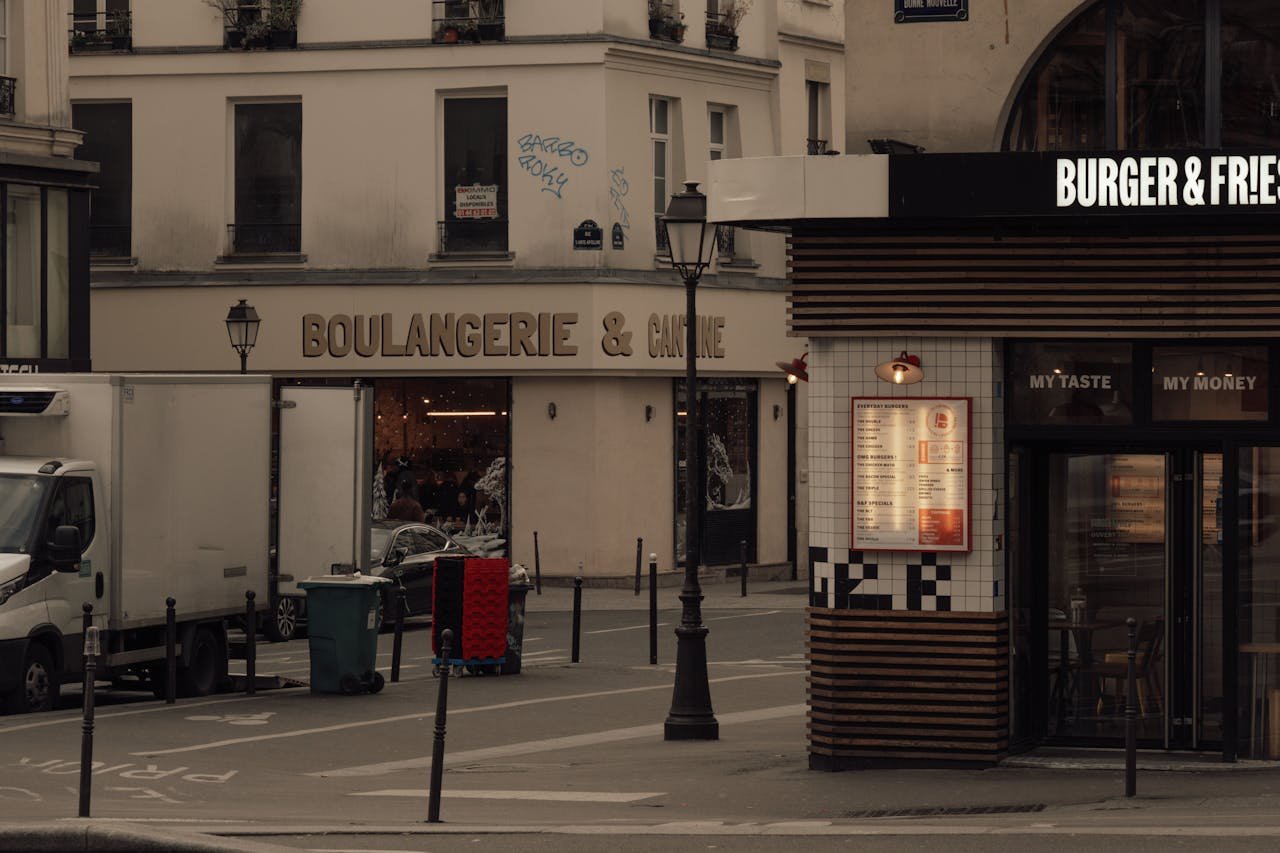
Walking through the cobblestone streets of the French capital, there is one scent that defines the experience: the intoxicating aroma of warm yeast and toasted grain. For many, a visit to a Boulangerie Paris is a daily ritual, a moment of connection with a craft that has remained largely unchanged for centuries. But beyond the simple pleasure of a carbohydrate fix, the world of Parisian baking offers a fascinating look at how traditional methods can support a healthy eating lifestyle.
In this guide, we will explore the nuances of the Boulangerie Paris scene, from the science of fermentation to the cultural significance of the perfect loaf. Whether you are seeking a traditional baguette or a nutrient-dense French sourdough (Pain au levain), understanding what happens behind the counter is key to enjoying these delights mindfully.
The Cultural Soul of the Artisanal Bakery
In France, bread is more than just food; it is a protected cultural treasure. In 2022, the artisanal know-how and culture of baguette bread were officially added to the UNESCO Intangible Cultural Heritage list. This recognition highlights the importance of the artisanal bakery in maintaining high standards of quality and local community life.
When you step into a Boulangerie Paris, you are witnessing the result of rigorous regulations. For a shop to legally call itself a “boulangerie,” the bread must be kneaded and baked on the premises. This ensures that the products are fresh and free from the preservatives often found in industrial loaves. This commitment to craft is also why many shops operate as a boulangerie-pâtisserie, offering both staple breads and delicate sweets.
Understanding the Fermentation Process and Gut Health
Modern nutritional science is beginning to catch up with what French bakers have known for generations: the fermentation process matters. Many top-tier bakeries in Paris utilise natural yeast (levain) rather than commercial yeast. This slow fermentation allows bacteria to break down gluten and phytic acid, making the nutrients in the whole grain flours more bioavailable.
According to research published in Nature, long-fermented breads may have a lower glycaemic index and can be easier on the digestive system. The sourdough benefits extend to the gut microbiome, as the prebiotics formed during fermentation provide fuel for beneficial gut bacteria.
Traditional Baguette vs. Industrial Alternatives
The “Baguette de Tradition Française” is regulated by a 1993 decree. It can only contain four ingredients: flour, water, salt, and yeast (or leaven). It cannot be frozen or contain additives. This is a far cry from the “supermarket bread” found in many other countries.
| Feature | Baguette de Tradition | Industrial White Bread |
|---|---|---|
| Ingredients | 4 simple ingredients | Preservatives, emulsifiers, added sugar |
| Fermentation | Slow (up to 24-48 hours) | Rapid (often under 1 hour) |
| Nutrient Profile | Higher bioavailability | Often depleted, then “fortified” |
| Digestibility | High (lower gluten activity) | Can lead to bloating in sensitive individuals |
Viennoiserie: The Art of the Butter-Rich Pastry
No trip to a Boulangerie Paris is complete without sampling viennoiserie. These are the butter-rich pastries that sit somewhere between bread and cake. While they are a treat, the quality of ingredients used in an authentic Parisian patisserie—such as high-fat French butter and local flour mills‘ produce—creates a superior flavour and texture profile.
- Freshly baked croissants: Known for their honeycomb interior and shattered-glass crust.
- Pain au chocolat: A buttery dough wrapped around dark chocolate batons.
- Escargot: A spiralled pastry often flavoured with pistachio or raisins.
While these are calorie-dense, the World Health Organisation suggests that a balanced diet can include occasional treats, especially when they are made from high-quality, minimally processed ingredients. The key is moderation and appreciation of the craft.
How to Spot a Quality Boulangerie Paris
With thousands of bakeries across the city, how do you find the best? Look for these signs of quality:
- The Label “Artisan Boulanger”: This confirms the baker makes everything from scratch.
- The Crumb Colour: A high-quality baguette should have a creamy, off-white interior, indicating the use of traditional unbleached flour.
- The Smell: A real bakery smells of toasted grains and sour fermentation, not just sweet sugar.
- Local sourcing: Many top bakers proudly display the names of the local flour mills they partner with.
For those with specific dietary needs, many modern Parisian spots now offer gluten-free bread options, though these are typically found in specialized boutiques. You can learn more about the nutritional value of different grains at the Harvard School of Public Health.
Health and Tradition: A Balanced Approach
A common misconception is that bread is “bad” for health. However, as noted by the Mayo Clinic, whole grains are a vital source of fibre and B vitamins. The traditional baguette or a slice of French sourdough (Pain au levain) provides complex carbohydrates that fuel the body and brain.
In Paris, the culture of “walking everywhere” naturally complements the consumption of these artisanal products. This lifestyle integration is often cited in discussions about the “French Paradox”—the observation that French people have relatively low rates of heart disease despite a diet rich in fats and carbohydrates. High-quality ingredients and a focus on satiety over quantity play a significant role, a concept supported by the British Nutrition Foundation.
The Global Influence of Parisian Baking
The techniques perfected in the Boulangerie Paris are now studied worldwide at institutions like Le Cordon Bleu. From the precision of the fermentation process to the geometry of pain au chocolat, these methods set the gold standard for global baking. For more on the history of these techniques, Britannica offers an excellent overview of the evolution of the bakery.
Furthermore, European food safety standards managed by the European Food Safety Authority (EFSA) ensure that the flours and fats used in these bakeries meet some of the strictest purity requirements in the world. This focus on quality control is one reason why many travellers find they can digest bread in Paris better than in their home countries.
Tips for Your Visit
When visiting your local Boulangerie Paris, don’t be afraid to ask for “une tradition, bien cuite” if you prefer your bread well-done and crunchy. To understand more about the science of baking and health, peer-reviewed studies on ScienceDirect often highlight the benefits of long-duration fermentation on the glycaemic response. For a more cultural perspective, check out the food sections of The Guardian or travel insights from BBC Travel.
Finally, for those looking for evidence-based dietary guidelines, the Cochrane Library provides comprehensive reviews on nutrition and health outcomes, reinforcing the idea that a diet rich in unprocessed grains and traditional foods is beneficial for long-term wellness.
Frequently Asked Questions (FAQs)
Is bread from a Boulangerie Paris healthier than supermarket bread?
Generally, yes. Traditional Parisian bakeries use a long fermentation process and minimal ingredients, avoiding the preservatives and high sodium levels found in industrial bread. The use of natural yeast and whole grain flours also improves digestibility and nutrient absorption.
What is the difference between a baguette and a “tradition”?
A standard baguette may contain additives and can be made with faster methods. A Baguette de tradition is strictly regulated by French law, containing only flour, water, salt, and yeast, ensuring a higher quality and better flavour.
Can I find gluten-free options in a Parisian bakery?
While traditional shops focus on wheat-based products, there is a growing trend of gluten-free bread and pastries in Paris. Look for specialized “Boulangeries sans gluten” which cater specifically to celiac and gluten-sensitive customers while maintaining artisanal standards.
Why does the bread in Paris taste so much better?
It is a combination of high-quality local flour mills, the mineral content of Parisian water, and the skill of the baker in managing the fermentation process. The cultural insistence on freshness—with many people buying bread twice a day—also plays a huge role.