


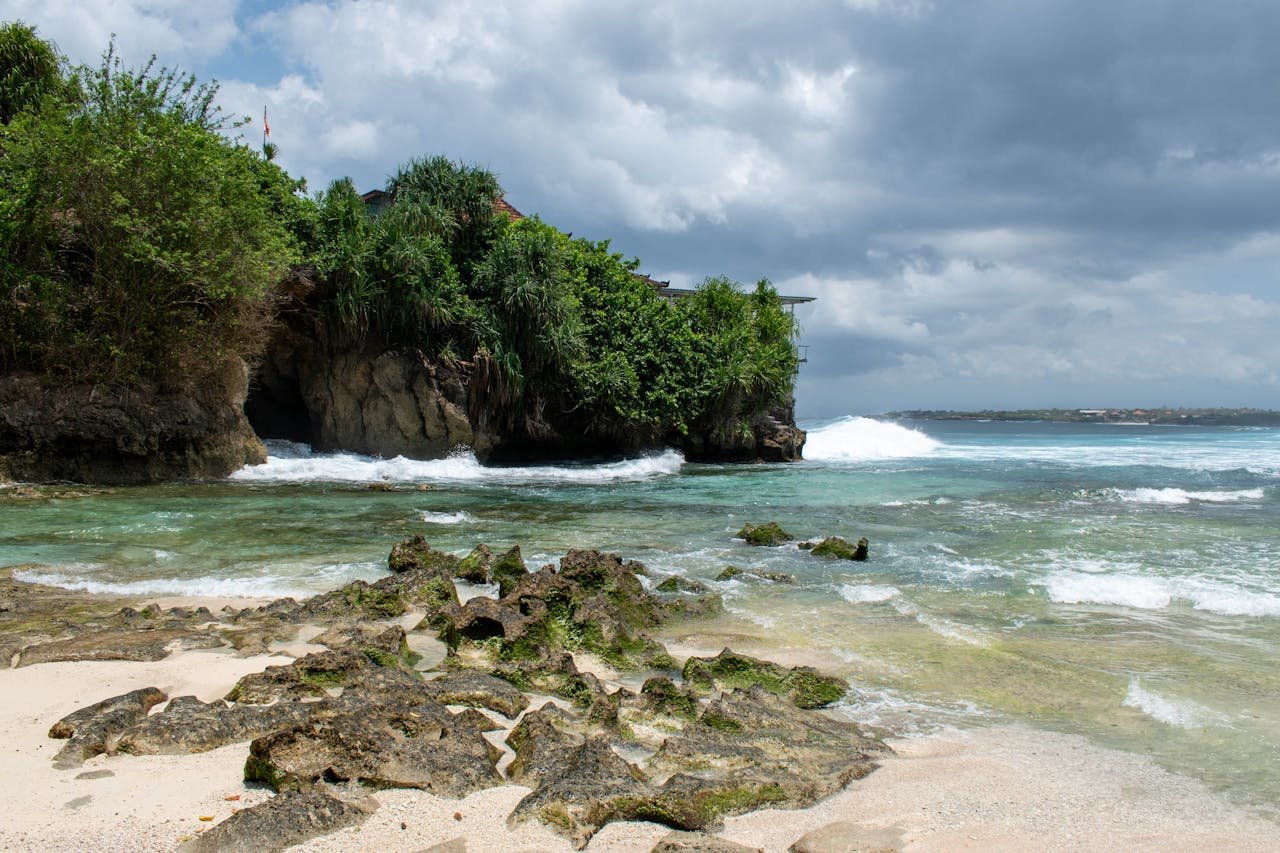
If you are searching for the soul of Bali, far from the frantic energy of the southern tourist hubs, you will find it on the volcanic shores of Amed beach. Located on the island’s northeastern coast, this collection of fishing villages offers a transformative experience that prioritises mindfulness, nature, and adventure.
For many travellers, the hustle of modern life can lead to significant stress and burnout. Amed serves as a natural remedy. Unlike the white sands of the south, the black sand beaches here—a result of the nearby Mount Agung—provide a grounding, earthy atmosphere that encourages visitors to slow down and breathe.
The Magic of the East Coast: What Makes Amed Different?
Amed is not just one single stretch of sand; it is a 14-kilometre coastal strip comprising several small villages. Choosing slow travel Bali as your philosophy here allows you to appreciate the intricate details of Balinese life that are often missed in busier districts. Here, the rhythm of the day is dictated by the sunrise and the return of the Balinese fishing boats (jukung).
One of the primary reasons travellers make the journey is the spectacular Mount Agung views. As Bali’s highest and most sacred peak, the volcano provides a dramatic backdrop that is particularly breathtaking during the golden hour. Research suggests that spending time in such awe-inspiring natural environments can significantly improve mental well-being.
A Haven for Underwater Enthusiasts
For those interested in snorkelling in Bali, Amed is arguably the premier destination. The crystal-clear waters and minimal currents make it accessible for all skill levels. The region is also a global hub for freediving courses, attracting those who wish to explore the depths using only their breath, a practice often compared to underwater meditation.
Key highlights for your East Bali itinerary include:
- Jemeluk Bay: Famous for its underwater postbox and vibrant coral walls.
- The Japanese Shipwreck: A shallow-water wreck in Banyuning teeming with tropical fish.
- Lipah Beach: A quieter spot perfect for seeing healthy hard corals and macro life.
- Macro diving: Amed is world-renowned for “muck diving,” where photographers hunt for rare pygmy seahorses and nudibranchs.
Comparing Amed to South Bali: A Quick Guide
If you are debating whether to include Amed in your trip, this comparison table highlights why it is considered the perfect quiet alternative to Canggu.
| Feature | South Bali (Canggu/Kuta) | Amed Beach |
|---|---|---|
| Atmosphere | High energy, party-centric, busy traffic. | Relaxed, village-style, serene. |
| Beach Colour | White/Golden sand. | Dramatic black volcanic sand/shingle. |
| Ocean Activities | Surfing and beach clubs. | Snorkelling, diving, and freediving. |
| Pace of Life | Fast-paced and modern. | Traditional and contemplative. |
Protecting the Blue: Coral Reef Restoration
The beauty of Amed beach is fragile. Local communities and international NGOs are heavily involved in coral reef restoration projects. Rising sea temperatures, a global concern documented by NOAA, threaten these ecosystems. When visiting, it is vital to use reef-safe sunscreen and avoid touching the delicate coral structures.
Environmental stewardship is a core value here. Many dive centres collaborate with organisations like the WWF to ensure that tourism supports, rather than destroys, the marine biodiversity. Witnessing these efforts adds a layer of purpose to your holiday, aligning with the principles of sustainable ethical travel.
Safety and Health While Travelling
While Amed is a paradise, staying healthy is paramount. The tropical sun in Indonesia is exceptionally strong. To prevent heat exhaustion and skin damage, follow the NHS guidelines on sun safety. Always stay hydrated, as dehydration can occur quickly when snorkelling for extended periods.
Furthermore, ensure your routine vaccinations are up to date by consulting the Mayo Clinic’s travel health checklist. While Amed has local clinics, the nearest major international hospitals are several hours away in Denpasar.
Unique Cultural Experiences in Amed
Beyond the water, Amed offers a glimpse into traditional salt farming. For generations, local families have produced high-quality sea salt using ancient techniques involving coconut tree trunks and volcanic soil. Supporting these artisans by purchasing a bag of “Garam Amed” is a wonderful way to contribute to the local economy.
Watching the sunrise over the ocean is a daily ritual here. Because Amed faces east, the morning light paints the sky in shades of violet and orange, providing a perfect moment for morning yoga or meditation. You can find many retreats that offer holistic health sessions overlooking the water, often cited by Condé Nast Traveler as some of the most authentic in Indonesia.
Planning Your Visit
To make the most of your time at Amed beach, consider these practical tips:
- Transport: Hire a private driver from the airport; the journey takes approximately 3 to 3.5 hours.
- Accommodation: Choose a homestay or boutique eco-resort to support the local community.
- Booking: If you plan to take PADI courses, book in advance through the PADI website to ensure availability with reputable schools.
- Supplies: While there are ATMs, it is wise to carry some cash (Indonesian Rupiah) for smaller warungs (local cafes).
According to the Bali Tourism Board, the best time to visit is during the dry season (April to October) when visibility for diving is at its peak. However, the “green season” also has its charms, offering lush landscapes and even quieter beaches.
The Verdict: Why You Should Go
Amed beach represents a different side of Bali—one that is rugged, honest, and deeply connected to the sea. Whether you are exploring a Japanese Shipwreck or simply enjoying a sunset drink while gazing at the volcano, Amed leaves a lasting impression on your soul. It is a place where you can truly disconnect from the digital world and reconnect with yourself, a sentiment echoed by frequent travellers on TripAdvisor.
For more information on the geological history of the area and Mount Agung, you can visit Wikipedia’s geological records. If you are interested in the broader biodiversity of the Coral Triangle, National Geographic offers extensive resources on why this region is so vital to our planet’s health.
Frequently Asked Questions (FAQs)
Is Amed beach suitable for families?
Yes, Amed is very family-friendly. The water in bays like Jemeluk is generally calm, making it safe for children to swim. However, because many beaches have pebbles or dark volcanic sand that gets hot, it is recommended that children wear water shoes. For more on family travel safety, check Travel + Leisure’s guides.
Can I see turtles while snorkelling in Amed?
Absolutely. Green sea turtles and hawksbill turtles are frequently spotted around Lipah Beach and the Japanese Shipwreck area. Local conservation groups work hard to protect these species. You can learn more about sea turtle conservation at UNESCO’s natural heritage sites.
Is it easy to get around Amed?
The most common way to get around is by renting a scooter, but if you are not experienced, it is safer to use local taxis or simply walk if you are staying in a central area. The roads are much quieter than in Kuta, but they can be winding and hilly.
What is the water temperature like for diving?
The water temperature in Amed is consistently warm, typically ranging between 27°C and 30°C throughout the year. Most divers find a 3mm shorty wetsuit more than sufficient. You can monitor current sea conditions on the Met Office marine forecast.

