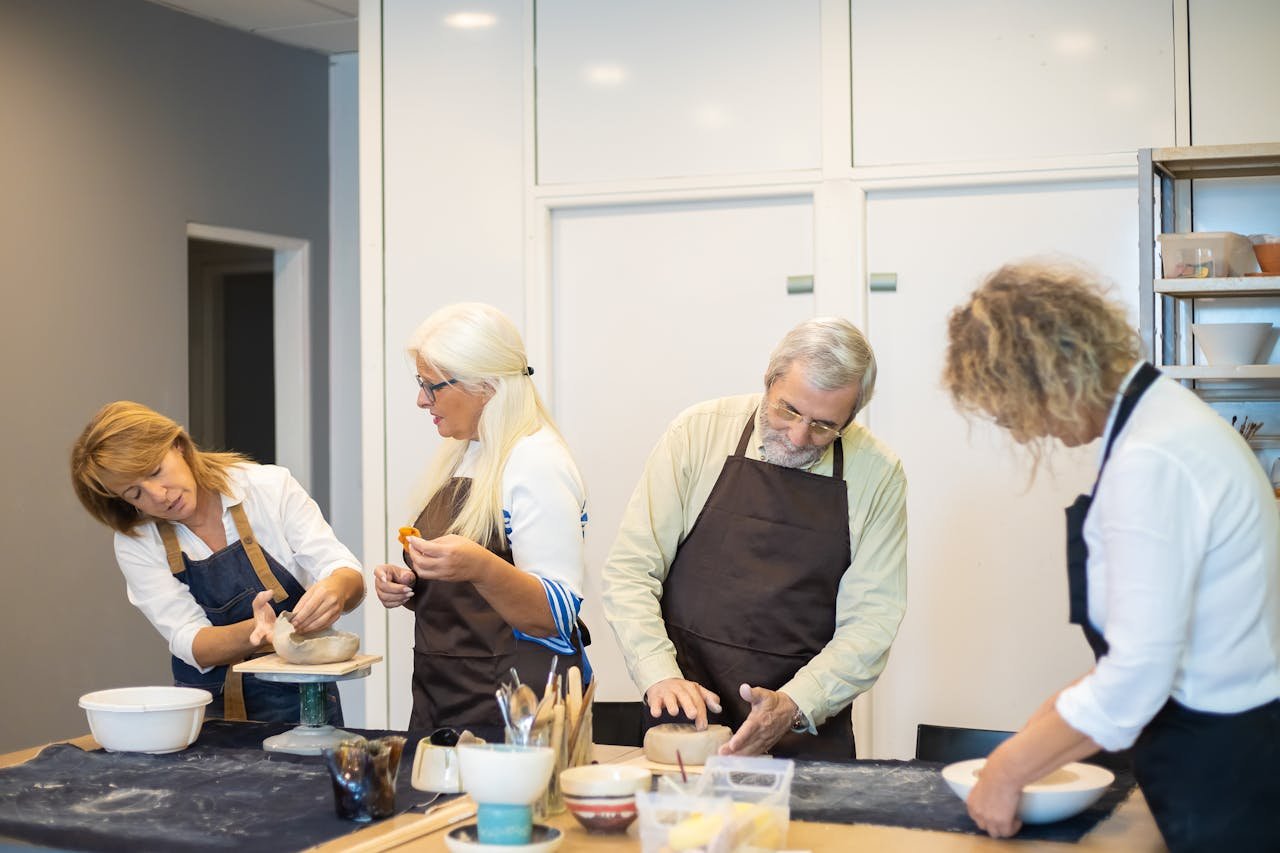
Amsterdam is a city renowned for its artistic heritage, from the masterpieces in the Rijksmuseum to the contemporary flair of the Jordaan district. However, in recent years, a new wave of creativity has taken hold of the city’s residents and visitors alike. Amsterdam pottery classes have become a cornerstone of the local “slow living” movement, offering a tactile escape from the digital world.
Whether you are a local looking for a new mindful hobby or a traveller seeking a unique cultural experience, getting your hands dirty in a ceramics studio is a scientifically backed way to improve your well-being. Engaging in creative therapy through clay has been shown to reduce cortisol levels and improve focus.
Why Choose Amsterdam for Your Pottery Journey?
The Dutch have a long and storied history with ceramics, most notably the iconic Delftware. Today, this tradition has evolved into a modern obsession with Dutch design and minimalist aesthetics. Taking Amsterdam pottery classes allows you to tap into this rich history while learning advanced techniques or simply enjoying the basics of beginners pottery.
Many studios in Amsterdam emphasise the communal aspect of crafting. Joining a creative community can combat loneliness and foster social connections, which are vital components of mental wellbeing. In a city that moves fast, the pottery wheel demands that you slow down.
Choosing the Right Technique: Wheel Throwing vs Hand-Building
Before you book your first session, it is helpful to understand the two primary methods taught in most pottery courses. Each offers a different sensory experience and requires a unique set of skills.
| Technique | Description | Best For | Difficulty Level |
|---|---|---|---|
| Wheel Throwing | Using a spinning pottery wheel to shape the clay. | Symmetrical vessels like bowls and vases. | Moderate to High |
| Hand-Building | Creating forms using coils, slabs, or pinching techniques. | Organic shapes, sculptures, and plates. | Beginner Friendly |
While wheel throwing often gets the most limelight, hand-building is an excellent way to understand the properties of different materials, such as porcelain clay or stoneware. Both methods culminate in the essential process of kiln firing, which transforms delicate mud into durable clay art.
Top Benefits of Taking Amsterdam Pottery Classes
Beyond the joy of taking home a handmade mug, the benefits of working with clay are extensive. Experts suggest that the rhythmic nature of pottery can induce a “flow state,” a psychological condition where you are fully immersed in an activity. This state is linked to increased happiness and reduced anxiety, according to research published in Nature.
- Stress Reduction: The tactile sensation of wet clay is incredibly grounding. Stress relief through art is a proven method for managing daily pressures.
- Fine Motor Skills: Working the clay improves dexterity and hand-eye coordination.
- Creative Expression: A glaze workshop allows you to experiment with colour and chemistry, making every piece unique.
- Patience and Resilience: Not every pot survives the kiln. Learning to handle “failures” in the studio builds emotional resilience.
What to Expect in Your First Class
Most Amsterdam pottery classes follow a structured format to ensure you get the most out of your session. If you are visiting a studio for the first time, here is what you can generally expect:
- The Introduction: Your instructor will introduce you to the studio rules and the types of clay available.
- The Demonstration: You will watch a live demo of the technique of the day, whether it’s centering clay on the wheel or rolling slabs.
- Hands-on Practice: This is the bulk of the class. You will get your hands dirty and start creating.
- Trimming and Detailing: Once your piece is “leather hard,” you will refine the shape.
- Glazing: After the first firing (bisque firing), you will apply minerals to add colour and waterproof the surface.
As noted by Psychology Today, the process of creating something from nothing provides a significant boost to self-esteem and agency.
Sustainable Crafting in the City
Many Amsterdam studios are now focusing on sustainability. This includes recycling clay scraps and using eco-friendly glazes. The preservation of craft culture is an essential part of sustainable urban development. By supporting local studios, you are contributing to the city’s vibrant artisan economy.
For those interested in the technical side, some studios offer specialised sessions on kiln firing schedules and the chemistry of porcelain clay. This deeper dive into the science of ceramics is popular among those looking to move beyond a hobbyist level. You can find more information on the history of these materials at the Tate Museum’s ceramics guide.

Where to Find Classes
Amsterdam is home to several high-quality studios. From the industrial spaces in Amsterdam-Noord to the cosy ateliers in the West, there is a ceramics studio for everyone. When searching for the right fit, consider the language of instruction; while most classes are available in English, some are conducted in Dutch. Websites like TimeOut Amsterdam often list seasonal workshops and pop-up events.
Research suggests that engaging in hobbies like pottery can even help maintain cognitive function as we age. The National Institutes of Health highlights the importance of lifelong learning for brain health. Taking a class is not just about the art; it is an investment in your long-term cognitive vitality.
Final Thoughts on Amsterdam’s Clay Scene
Participating in Amsterdam pottery classes is more than just a way to spend an afternoon; it is an opportunity to reconnect with your senses in an increasingly digital world. The combination of the city’s historical appreciation for art and the modern focus on holistic wellbeing makes it the perfect place to explore this ancient craft.
For more insights into the benefits of hobbies, check out the latest findings from Oxford University or read about the cognitive advantages of manual work on the BBC. If you are interested in the wider world of art news, The Art Newspaper provides excellent coverage of contemporary ceramic trends.
Whether you finish your course with a perfect set of bowls or a beautifully “imperfect” sculpture, the experience of the creative community and the lessons in patience are the true rewards. As The Guardian aptly describes, pottery is the ultimate mindfulness activity.
Frequently Asked Questions (FAQs)
Do I need any previous experience for Amsterdam pottery classes?
No, most studios offer specific beginners pottery courses designed for those who have never touched clay before. Instructors provide step-by-step guidance to ensure you feel comfortable and supported throughout the process.
How much do pottery classes in Amsterdam typically cost?
Prices vary depending on the length of the course and the materials included. A one-off taster session might cost between €50 and €80, while a comprehensive multi-week programme can range from €200 to €400. Always check if kiln firing and glazes are included in the price.
What should I wear to a pottery studio?
Pottery is messy! It is best to wear comfortable clothes that you don’t mind getting stained. While most clay washes out easily, some glazes can be more stubborn. Most studios will provide an apron, but bringing your own is always a good idea. Keep your nails short for the best experience on the pottery wheel.
Can I take my pieces home immediately?
Generally, no. Your creations need time to dry completely (often a week or more) before they undergo their first kiln firing. After that, they must be glazed and fired again. Most students can pick up their finished clay art about 3 to 4 weeks after their final class.