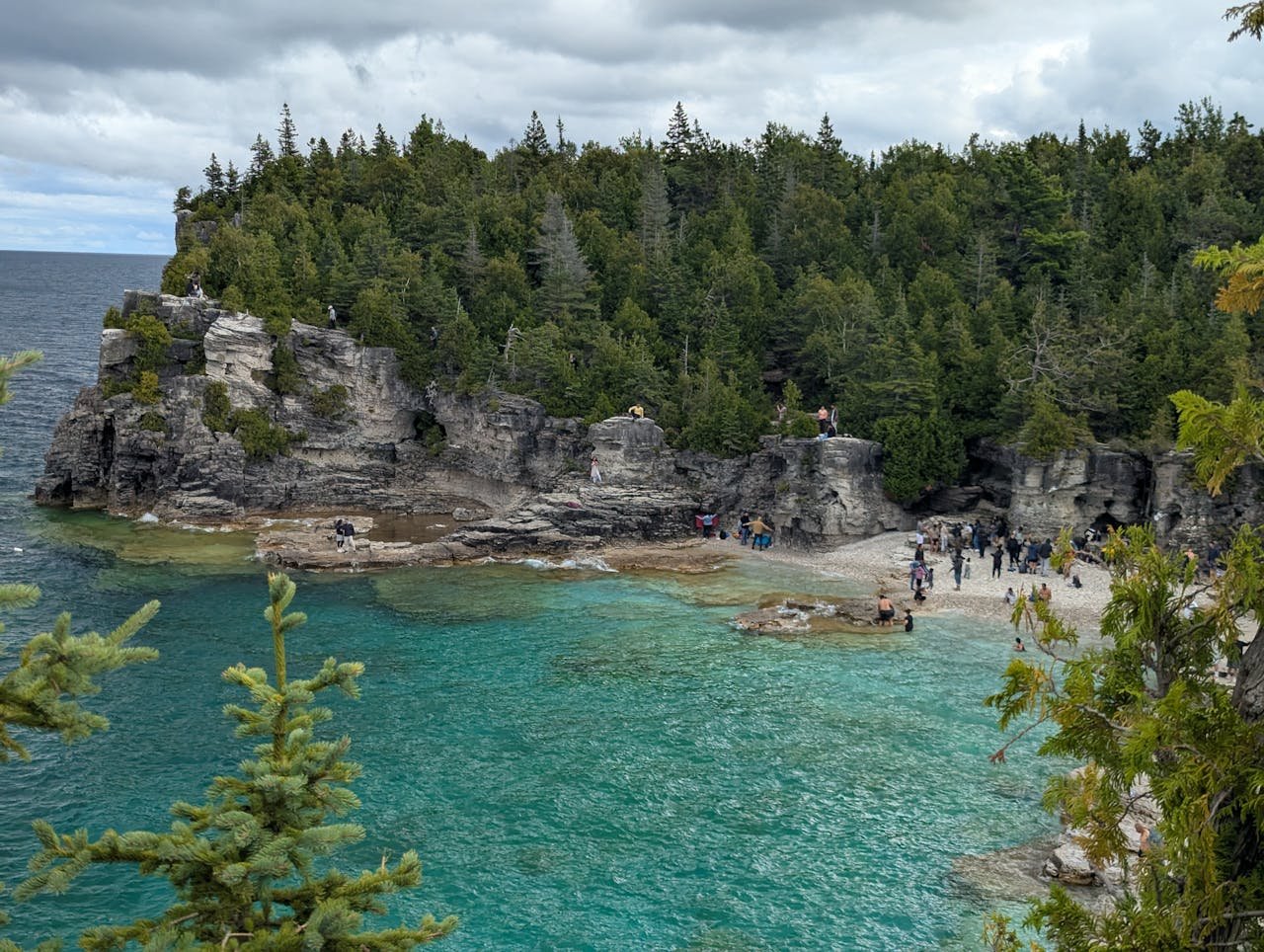
When life feels overwhelming, we often search for a sanctuary to hit the reset button. Nestled between the crystal-clear turquoise waters of Lake Huron and the rugged depths of the Georgian Bay, the Bruce Peninsula serves as one of North America’s most profound natural retreats. This narrow strip of land in Ontario, Canada, is not just a destination for sightseers; it is a haven for those seeking the restorative power of nature travel.
From the towering limestone cliffs of the Niagara Escarpment to the ancient cedar trees that have clung to the rocks for centuries, the Bruce Peninsula offers a unique blend of geological wonder and ecological biodiversity. Whether you are an avid hiker or someone looking for a quiet moment of reflection, this region provides a holistic experience for the mind and body. Research published in Nature.com highlights how spending time in diverse ecosystems can significantly improve cognitive function and immune health.
The Health Benefits of the Bruce Peninsula
The concept of “forest bathing” or Shinrin-yoku is well-documented in Harvard Health literature. The Bruce Peninsula is the perfect place to practise this, as the air is purified by vast forests and the rhythmic sounds of the waves provide a natural soundtrack for mindfulness. Engaging in physical activity here, such as navigating the extensive hiking trails, can lead to numerous health advantages:
- Cardiovascular Health: Trekking the rugged terrain strengthens the heart and improves circulation.
- Mental Clarity: The absence of urban noise allows for deep mental decompression.
- Vitamin D Boost: Spending time outdoors in the summer destinations of Ontario helps maintain healthy bone density.
- Reduced Cortisol: Studies from the NHS suggest that walking in green spaces lowers stress hormones effectively.
For those looking to combine physical exertion with mental wellness, the outdoor fitness opportunities here are second to none. The Bruce Trail, Canada’s oldest and longest marked footpath, winds along the peninsula, offering challenging elevations and breathtaking vistas.
Must-Visit Landmarks and Hidden Gems
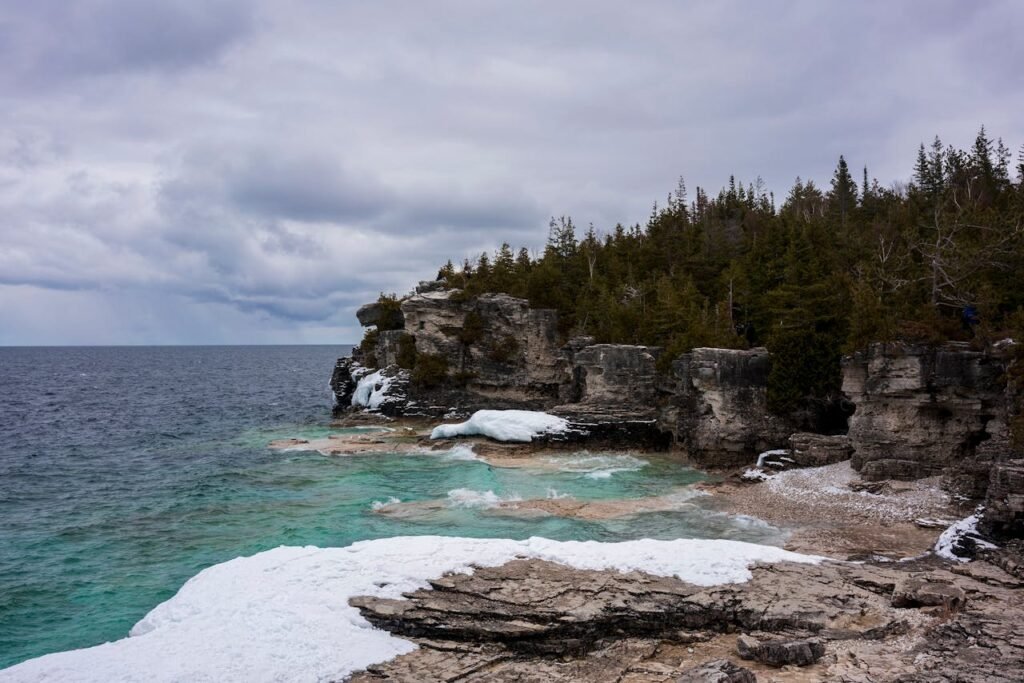
The Bruce Peninsula is home to two national parks and several provincial parks, each offering a distinct landscape. To help you plan your itinerary, consider these top-rated locations that balance adventure with tranquillity:
1. Tobermory and Flowerpot Island
Located at the very tip of the peninsula, Tobermory is a charming harbour village that serves as the gateway to the Fathom Five National Marine Park. This area is famous for its 22 shipwrecks, many of which are visible through the water’s surface or accessible via glass-bottom boats. A short ferry ride takes you to Flowerpot Island, named after its unique “flowerpot” rock formations. It is an ideal spot for travel photography and exploring sea caves.
2. The Grotto and Cyprus Lake
Perhaps the most famous site on the Bruce Peninsula, the Grotto is a natural sea cave carved out by centuries of wave action. The shimmering blue water inside the cave is a sight to behold. To reach it, visitors usually trek through the woods from Cyprus Lake, a popular spot for camping and camping essentials. Because of its popularity, Parks Canada requires advanced reservations to manage the ecological impact.
3. Lion’s Head
For those who prefer a quieter experience away from the crowds, Lion’s Head offers some of the most dramatic limestone cliffs on the entire escarpment. The views of the Georgian Bay from the lookout points are often compared to the fjords of Norway. It is a prime location for wildlife photography, especially if you hope to spot rare birds or the occasional black bear.
Comparing Top Spots in the Bruce Peninsula
To help you decide where to spend your time, we have compiled a comparison of the most popular areas based on visitor experience and activity levels:
| Location | Primary Feature | Best For | Difficulty Level |
|---|---|---|---|
| The Grotto | Sea Cave | Swimming & Sightseeing | Moderate |
| Flowerpot Island | Rock Pillars | Photography & Lighthouse | Easy to Moderate |
| Lion’s Head | High Cliffs | Serious Hiking | Challenging |
| Singing Sands | Sandy Beach | Families & Relaxation | Very Easy |
Flora, Fauna, and Conservation
The Bruce Peninsula is a globally significant area, recognised as part of a UNESCO World Biosphere Reserve. This status is due to the incredible biodiversity found within its borders. Botanists flock to the region to see over 40 different orchid species, some of which are found nowhere else on earth. You can learn more about these delicate ecosystems via the UNESCO website.
Preserving this environment is a collective responsibility. Practising sustainable tourism ensures that future generations can enjoy the same pristine beauty. This involves staying on marked hiking trails, disposing of waste properly, and respecting the wildlife. The Georgian Bay Biosphere provides excellent resources on how visitors can minimise their environmental footprint.
For those interested in eco-friendly travel, the peninsula offers various eco-tourism initiatives, including guided nature walks that focus on the rare flora of the region. Engaging with these programmes often provides a deeper, more meaningful connection to the land than solo exploration.
Stargazing: A Dark Sky Preserve
One of the most overlooked aspects of the Bruce Peninsula is what happens after the sun sets. The northern part of the peninsula is a designated Dark Sky Preserve. With minimal light pollution, the night sky reveals the Milky Way in staggering detail. According to Scientific American, exposure to true darkness and the natural circadian rhythms of the night can significantly improve sleep quality and hormonal balance.
If you are planning a trip, consider these stargazing tips:
- Check the lunar calendar; a new moon provides the darkest skies.
- Allow your eyes at least 20 minutes to adjust to the darkness.
- Visit in the autumn or winter for the clearest atmospheric conditions.
- Use a red-light torch to preserve your night vision.
Planning Your Adventure
Visiting the Bruce Peninsula requires a bit of foresight, especially during the peak summer months. To ensure a stress-free experience, keep the following in mind:
Transportation: While a car is the most convenient way to explore, many areas are now implementing shuttle services to reduce traffic. Check Ontario Parks for current transport updates.
Equipment: The terrain can be unforgiving. Invest in high-quality hiking gear, specifically boots with good ankle support, as the limestone can be slippery when wet. Physical activity on such terrain burns significant energy; Mayo Clinic experts recommend staying hydrated and carrying high-protein snacks.
Accommodations: Whether you prefer luxury wellness retreats or traditional camping, book well in advance. Many travellers are now opting for adventure holidays that combine different types of stays to get a full taste of the region.
For more inspiration on canadian landscapes and how to make the most of your time in the great outdoors, explore our guide on forest bathing and its transformative effects on mental health.
The Bruce Peninsula is more than a scenic photo opportunity; it is a vital ecological treasure that offers profound benefits for those willing to immerse themselves in its beauty. By visiting with an appreciative heart and a mindful footstep, you contribute to the ongoing story of this remarkable landscape.
Frequently Asked Questions (FAQs)
What is the best time of year to visit the Bruce Peninsula?
While summer offers the best weather for swimming in the turquoise waters, autumn is spectacular for viewing the changing leaf colours and avoiding the peak crowds. Winter provides a serene, snowy landscape perfect for snowshoeing, though many services in Tobermory close during the off-season.
Do I need a permit to visit the Grotto?
Yes, during the busy season (typically May to October), you must book a parking time slot in advance through the Parks Canada website. Slots fill up weeks in advance, so planning is essential to avoid disappointment.
Is the Bruce Peninsula suitable for children?
Absolutely. While some hiking trails are strenuous, many areas like Singing Sands offer shallow waters and easy boardwalks that are perfect for families. It is an excellent educational environment for children to learn about wildlife and geology.
For more travel tips and destination guides, check out our latest articles on wellness retreats and summer destinations.
Additional resources for your journey can be found at National Geographic, The Guardian Travel, BBC Nature, Lonely Planet, and TripAdvisor.