
Traveling with the family is one of the most rewarding experiences life has to offer. It is a chance to bond, explore new cultures, and build memories that last a lifetime. However, between flights, accommodation, dining, and activities, the costs can escalate quickly, turning a dream holiday into a source of financial stress. According to recent data from the U.S. Travel Association, price sensitivity remains a top concern for families planning their annual getaways.
Fortunately, a memorable vacation does not require breaking the bank. By employing strategic planning and financial discipline, you can significantly reduce expenses without sacrificing quality. In this comprehensive guide, we will explore essential family trip budgeting hacks designed to help you see the world while keeping your finances intact.
1. Master the Art of Strategic Booking
The most significant expenses of any trip are usually transportation and lodging. Consequently, this is where you can find the most substantial savings.
The Power of Flexibility and Timing
One of the most effective ways to lower costs is to travel during the “shoulder season”—the period between the peak and off-peak seasons. Not only are crowds thinner, but prices for flights and hotels can drop by 20-30%. If your children’s school schedule allows, avoid major holidays and summer peaks.
Flight Comparison Tools
Don’t settle for the first price you see. Utilize aggregators like Skyscanner or Google Flights to track prices over time. These platforms allow you to set alerts for specific routes, notifying you when prices dip.
Pro Tip: Clear your browser cookies or use an incognito window when searching for flights. Dynamic pricing algorithms can sometimes increase fares if they detect repeated interest in a specific route.

2. Rethink Your Accommodation
While hotels offer convenience, they are often the most expensive option for families requiring multiple rooms.
Vacation Rentals vs. Hotels
Platforms like Airbnb and Vrbo have revolutionized family travel. Renting an entire apartment or home often costs less than two hotel rooms and provides access to a kitchen (more on that later). Furthermore, having a living room allows the family to relax together in the evenings without being confined to beds.
Consider Home Exchanges
For the truly adventurous budgeter, home exchange networks like HomeExchange allow you to swap homes with another family in your destination city. The cost is usually just an annual membership fee, eliminating the accommodation line item from your budget entirely.
3. The Food Budget: Dining Smart
Food costs are the silent budget killer. Eating out three times a day for a family of four can easily exceed the cost of accommodation.
The “One Meal Out” Rule
A popular family trip budgeting hack is to commit to eating out only once per day (usually dinner). For breakfast and lunch, rely on groceries.
- Breakfast: Yogurt, fruit, and cereal in the rental.
- Lunch: Sandwiches and snacks packed for the day’s adventure.
- Dinner: Enjoy the local cuisine at a nice restaurant.
By visiting local markets, you not only save money but also experience the local culture more authentically. You can check global food pricing indices on sites like Numbeo to estimate your grocery budget before you arrive.
4. Transportation: Move Like a Local
Rental cars are convenient, but between daily rates, insurance, and parking fees, they are pricey.
Embrace Public Transit
Most major tourist destinations have robust public transportation systems. Use apps like Google Maps or Citymapper to navigate buses and trains. Resources from the American Public Transportation Association can help you understand transit options in various North American cities.
Walk More
Walking is free and healthy. Plan your itinerary by neighborhood to minimize transit needs. Organizing your day geographically ensures you spend more time exploring and less time commuting.
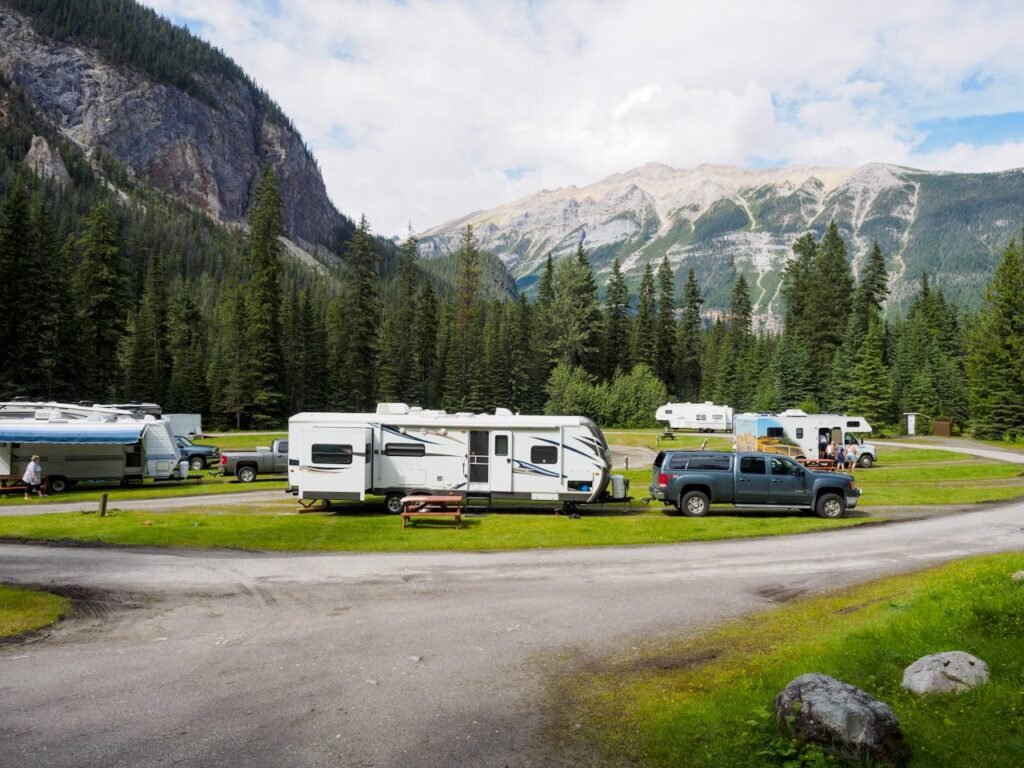
Comparative Cost Analysis: Hotel vs. Rental vs. Camping
To illustrate where your money goes, here is a breakdown of estimated daily costs for a family of four in a mid-range US tourist destination.
| Expense Category | Hotel (2 Rooms) | Vacation Rental (2 Bed Apt) | Car Camping / RV | Savings Potential |
|---|---|---|---|---|
| Accommodation | $350 – $500 | $200 – $300 | $40 – $100 | High |
| Food (Daily) | $250 (3 meals out) | $100 (Groceries + 1 meal out) | $60 (Campfire cooking) | Very High |
| Amenities | Pool/Gym often included | Kitchen/Laundry included | Nature access included | Varies |
| Parking/Fees | $30 – $50 | Usually Free | Included in site fee | Moderate |
| Total Daily Cost | $630 – $800 | $300 – $400 | $100 – $160 | Up to 80% |
5. Leverage Free and Low-Cost Activities
Entertainment doesn’t have to be expensive. In fact, nature provides some of the best playgrounds.
National and State Parks
Whether you are in the US or abroad, national parks offer incredible value. The National Park Service offers annual passes that can save frequent travelers hundreds of dollars. Hiking, wildlife spotting, and ranger-led programs are often free or very low cost.
Museum Days and City Passes
Many museums offer free entry on specific days of the month. Alternatively, if you plan to hit many attractions, investigate city passes (e.g., CityPASS or Go City). These bundle top attractions at a discounted rate. Always cross-reference reviews on TripAdvisor to ensure the attractions included are ones your family actually wants to visit.
6. Financial Tooling and Protection
How you pay is just as important as what you pay for.
Credit Card Rewards and Points
Savvy travelers use credit cards that offer travel rewards. Sites like NerdWallet break down the best cards for families. You can use points to cover flights or hotels, effectively erasing huge portions of your trip cost. Just ensure you pay off the balance monthly to avoid interest charges negating your savings.
Don’t Skip Insurance
It sounds counterintuitive to spend money to save money, but travel insurance is vital. A medical emergency abroad or a last-minute cancellation can cost thousands. The U.S. Department of State strongly recommends checking your health insurance coverage before traveling and supplementing it if necessary.
7. Pack Smart to Avoid Hidden Fees
Airlines have become aggressive with baggage fees. Packing light is a crucial budgeting skill.
- Carry-on Only: Challenge your family to pack in carry-ons to avoid checked bag fees (often $30-$60 per bag, each way).
- Bring Reusables: Pack reusable water bottles and shopping bags. Buying bottled water daily for a family of four can add up to over $100 on a week-long trip.
- TSA Prep: Review the Transportation Security Administration guidelines to ensure you don’t have to throw away expensive toiletries or snacks at the security checkpoint.
Conclusion
Implementing these family trip budgeting hacks does not mean you are being cheap; it means you are being smart. By cutting costs on logistics, accommodation, and unnecessary fees, you free up resources to spend on what truly matters: experiences. Whether it is a sunset boat ride, a special guided tour, or simply saving for the next adventure, effective budgeting is the key to unlocking the world for your family.
Start planning today. Create a spreadsheet, involve the kids in the saving process, and watch as your dream vacation becomes a financially feasible reality.