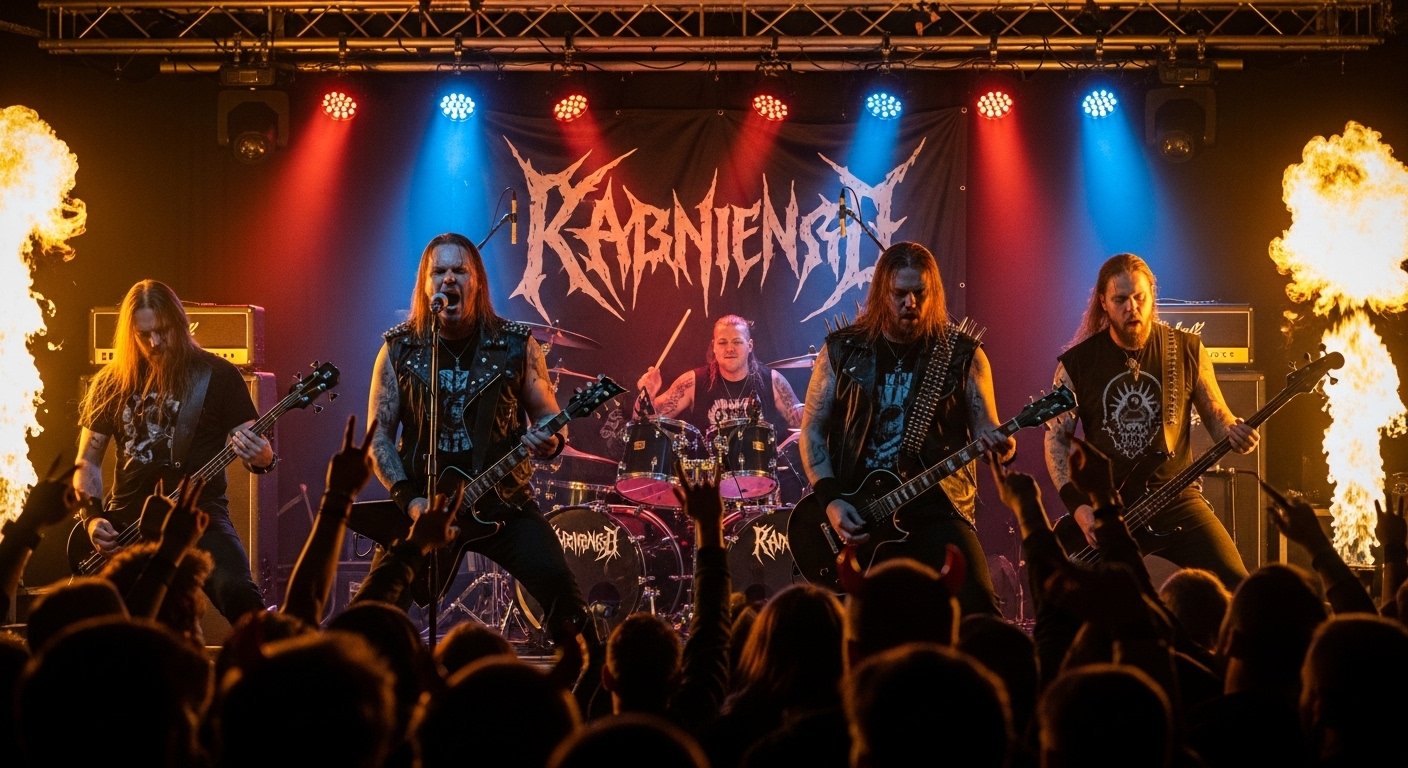
When you think of Finland, you might imagine serene saunas, the Northern Lights, or world-class education. However, beneath the calm exterior lies a powerful, pulsating heart of distorted guitars and double-bass drums. Finnish metal is not just a musical genre; it is a cultural phenomenon and a significant export that defines the nation’s identity.
With more heavy metal bands per capita than any other country, Finland has transformed what was once a niche subculture into a mainstream pillar of Finnish culture. Research suggested by Nature indicates that music has profound effects on our neurological pathways, and for many, the intensity of metal provides a unique form of emotional regulation. In this guide, we will explore why this “dark” music is a bright spot for health, community, and national pride.
The Science of Sound: How Heavy Metal Impacts the Mind
While the aggressive tones of heavy metal music might seem stressful to the uninitiated, the reality is often the opposite. For fans, engaging with complex arrangements provides a sense of catharsis. According to the NHS, finding healthy outlets for emotional expression is vital for maintaining mental health. This is where the mental health benefits of metal come into play.
Listening to Finnish metal can help listeners process anger and reduce cortisol levels. Much like the Mayo Clinic discusses the benefits of music therapy for stress management, metal fans often report feeling calmer and more inspired after a listening session. This is largely due to the “Sisu” spirit—a Finnish concept of stoic determination and grit that is woven into the lyrics and melodies of the music.
A Brief Look at Finnish Metal Subgenres
The diversity within the Finnish scene is staggering. From the haunting melodies of symphonic metal to the aggressive technicality of melodic death metal, there is a sound for every emotional state. Here is a breakdown of the core subgenres that have put Finland on the map:
- Symphonic Metal: Often featuring operatic vocals and orchestral arrangements, pioneered by bands like Nightwish.
- Melodic Death Metal: A blend of harsh vocals with highly melodic guitar work, championed by Children of Bodom.
- Folk Metal: Incorporates traditional Finnish instruments and lyrical themes of mythology.
- Cello Metal: A unique innovation where classical instruments are utilised to create heavy sounds, famously led by Apocalyptica.
- Doom Metal: Slower, heavier, and focused on atmosphere and melancholy.
The Cultural Epicentre: From the Helsinki Underground to Global Stages
The rise of the Helsinki underground scene in the 1990s was a turning point. What started in small, smoky clubs has evolved into massive international events. The Tuska Festival, held annually in Helsinki, attracts tens of thousands of visitors from across the globe, showcasing how music fosters social cohesion.
The Nordic climate, characterised by long, dark winters, is often cited as a reason for the music’s brooding nature. However, this environment has fostered a community that values deep connection and authenticity. As reported by The Guardian, the metal community is one of the most inclusive and supportive social groups in the world.
Comparing the Heavyweights of Finnish Metal
To understand the impact of these artists, let’s look at how different styles compare in terms of their global influence and thematic focus:
| Band Name | Primary Genre | Key Theme | Global Reach |
|---|---|---|---|
| Nightwish | Symphonic Metal | Fantasy and Nature | Very High |
| Children of Bodom | Melodic Death Metal | Aggression and Technicality | High (Legacy) |
| Korpiklaani | Folk Metal | Heritage and Celebration | Moderate |
| Apocalyptica | Cello Metal | Classical Fusion | High |
| Sentenced | Doom Metal | Melancholy and Loss | Cult Following |
Why Finnish Metal is a Form of Music Therapy
The therapeutic potential of complex music is well-documented. Science Daily has published various studies showing that rhythmic synchronisation can improve motor skills and cognitive function. In Finland, metal is often used as a tool for music therapy, helping individuals navigate the complexities of modern life.
The Sisu spirit plays a role here too. It encourages individuals to face hardships head-on. By listening to lyrics about struggle and perseverance, fans internalise these traits. As Psychology Today notes, identifying with lyrics that mirror our internal struggles can lead to a greater sense of self-awareness and emotional resilience.
The Economic and Social Impact
Finland’s government recognises the importance of its musical heritage. The genre is supported through various cultural grants and international promotion programmes. This support has helped the industry achieve significant milestones on the Billboard charts and receive recognition at the Grammy awards.
- Tourism: Thousands of fans travel to Finland specifically for festivals and “metal tours” of the capital.
- Education: Finnish music schools often include contemporary styles, allowing students to learn the technical rigour required for metal.
- Global Image: Metal has become a “soft power” tool, making Finland seem “cool” and rebellious yet highly organised.
The Future of the Scene
As we look forward, Finnish metal continues to evolve. New bands are experimenting with electronic elements and pop-sensibilities while maintaining the core “heaviness” that fans love. The Smithsonian Magazine has highlighted how Finnish traditions continue to influence modern art, ensuring the genre remains rooted in its history while looking toward the future.
Whether you are a lifelong fan or a curious newcomer, the world of Finnish heavy music offers a wealth of auditory experiences that can improve your mood and broaden your cultural horizons. For a deep dive into the discographies of these artists, the Encyclopaedia Metallum remains the definitive resource for fans and researchers alike, much like Britannica is for general history.
Frequently Asked Questions (FAQs)
Is Finnish metal popular in Finland?
Yes, it is extremely mainstream. Metal bands frequently top the national charts, and it is common to hear metal music in grocery stores, radio stations, and even at national celebrations.
Why are there so many metal bands in Finland?
While there is no single answer, many credit the Nordic climate, the high quality of music education, and a cultural appreciation for melancholy and “Sisu” for providing the perfect breeding ground for the genre.
Is heavy metal music good for your mental health?
Research suggests that for many fans, heavy metal can reduce stress, provide a sense of community, and help in processing complex emotions like grief or anger in a safe, controlled environment.
Which Finnish metal band is the most famous?
Nightwish is widely considered the most commercially successful Finnish metal band globally, having sold millions of albums and headlined major venues worldwide.