



Bali, the “Island of the Gods,” has long been synonymous with idyllic beaches, lush rice paddies, and a vibrant spiritual culture. In recent years, it has also firmly established itself as a premier destination for digital nomads worldwide. With its attractive lifestyle, relatively low cost of living, and a growing infrastructure tailored for remote workers, Bali offers an irresistible blend of productivity and paradise. If you’re considering making the move, this comprehensive digital nomad Bali guide will walk you through everything you need to know, from visa essentials to the best places to work and how to manage your budget.
Navigating Visas and Entry for Digital Nomads
Understanding Indonesia’s visa regulations is crucial for a smooth and legal stay. While a specific “digital nomad visa” is still under discussion by the Indonesian government, several existing options cater to long-term stays.
Visa on Arrival (VoA) & Visa Extensions
Many nationalities can enter Indonesia with a Visa on Arrival (VoA), typically valid for 30 days and extendable once for another 30 days. This allows for a maximum stay of 60 days. While convenient for short visits, it’s not ideal for long-term digital nomad stays as it requires leaving the country for a new visa application.
B211A Visa (Social/Business Visa)
This has been the go-to visa for many digital nomads. It’s a single-entry visa valid for 60 days, extendable twice for 60 days each, allowing a total stay of up to 180 days (six months). You must apply for this visa before arriving in Indonesia, usually through an agent. While technically a social or business visa, it’s commonly used by remote workers who aren’t employed by an Indonesian entity and aren’t earning income within Indonesia. Be sure to clarify your intentions with your visa agent to ensure compliance.
New Second Home Visa
Indonesia has introduced a “Second Home Visa” aimed at high-net-worth individuals, allowing a five or ten-year stay with proof of significant funds (around IDR 2 billion or approximately USD 130,000 in an Indonesian bank account). While not specifically for digital nomads, it offers a long-term residency option for those who qualify.
Always check the latest regulations with the Indonesian Directorate General of Immigration or a reputable visa agent, as policies can change.

Discovering Bali’s Best Digital Nomad Hubs
Bali offers diverse environments, each with its unique charm and appeal for remote workers. Choosing the right base depends on your preferences for lifestyle, community, and amenities.
Canggu: The Surf & Social Scene
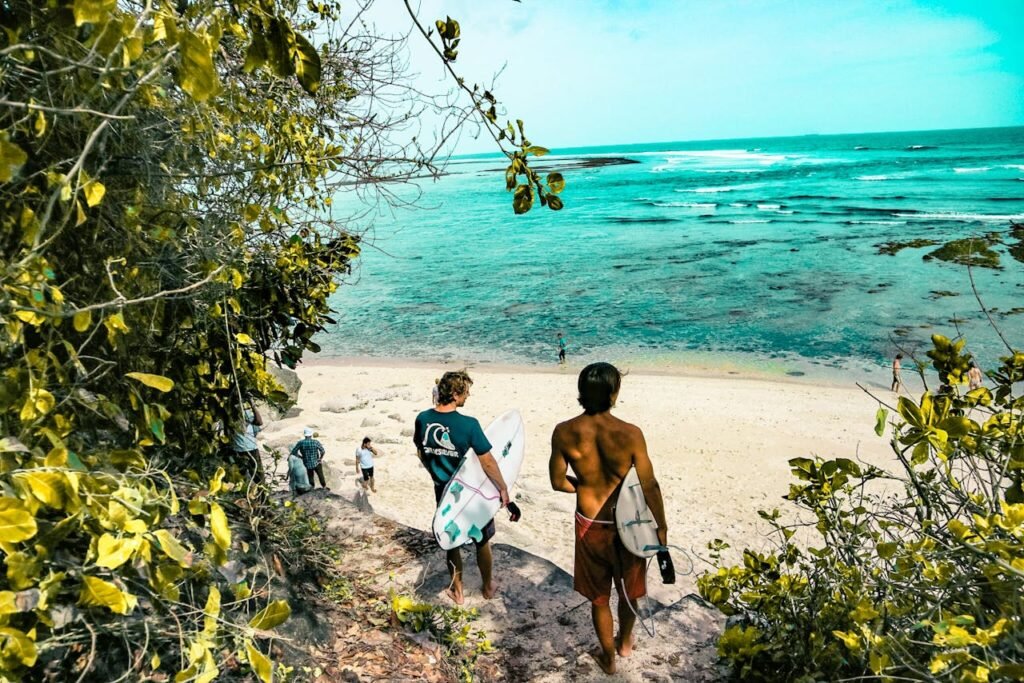
Canggu stands out as arguably the most popular hub for digital nomads in Bali. This vibrant coastal village perfectly blends surf culture with a bustling entrepreneurial spirit. You’ll find an abundance of trendy cafes, international restaurants, health-conscious eateries, and boutique shops alongside world-class surf breaks. It’s a fantastic spot for working remotely in Bali, offering a lively social scene and numerous networking opportunities. The infrastructure for digital nomads here is highly developed, with many top-tier coworking spaces and reliable internet connectivity. However, its popularity also means it can be busy and traffic-heavy.
Ubud: The Spiritual & Creative Retreat
Nestled amidst lush rice paddies and sacred monkey forests, Ubud offers a more tranquil and culturally rich experience. It’s a haven for yogis, artists, healers, and those seeking a deeper connection with Balinese culture. While less about surfing, Ubud boasts a strong wellness scene, organic cafes, and a more relaxed pace of life. It’s ideal for digital nomads who value serenity, spiritual growth, and a close-knit community focused on holistic living. The internet infrastructure is robust, and several excellent coworking spaces cater to its creative inhabitants.
Seminyak: The Chic & Upscale Vibe
Known for its upscale boutiques, fine dining restaurants, and luxurious beach clubs, Seminyak offers a more refined and glamorous experience. While not as overtly a digital nomad hub as Canggu or Ubud, it attracts those who appreciate a higher standard of living and enjoy a sophisticated social scene. Accommodation can be pricier, but you’ll find excellent amenities and services. It’s well-suited for digital nomads who prefer comfort and luxury, with ample cafes offering good Wi-Fi and some dedicated coworking options.
Sanur: The Laid-back Beach Town
For those seeking a quieter, more relaxed coastal experience, Sanur is an excellent choice. This east coast town is known for its calm waters, family-friendly atmosphere, and a lovely beachfront promenade perfect for cycling or leisurely strolls. It’s less bustling than Canggu or Seminyak, offering a more traditional Balinese feel with a growing expat community. Sanur is a good option for digital nomads looking for tranquility, affordability, and a slower pace, with a decent selection of cafes and some dedicated coworking spaces.
Optimal Workspaces & Connectivity
Reliable internet and a conducive working environment are non-negotiable for any digital nomad. Bali delivers with a variety of options.
Top Coworking Spaces in Bali
Bali is home to some of the world’s best coworking spaces, fostering community and providing excellent facilities:
- Dojo Bali (Canggu): Often cited as one of Asia’s best, Dojo offers high-speed fiber optic internet, multiple air-conditioned zones, a swimming pool, private Skype booths, and a vibrant community with regular events. It’s a cornerstone for the “working remotely in Bali” scene.
- Outpost (Ubud & Canggu): With two beautifully designed locations, Outpost provides spacious working areas, fast internet, private offices, and a strong emphasis on community events like skill shares and social gatherings. Their Ubud location is particularly scenic, overlooking a jungle ravine.
- Kinship Studio (Canggu): A popular choice for creatives and designers, Kinship boasts a stylish industrial aesthetic, excellent natural light, and a collaborative atmosphere. It’s perfect for those seeking a modern, inspiring environment.
- Tropical Nomad (Canggu): Another excellent option in Canggu, offering good internet, comfortable seating, and a friendly atmosphere for focused work.
Monthly memberships for these spaces typically range from $100 to $200 USD, offering various benefits depending on the tier.
Laptop-Friendly Cafes with Reliable Wi-Fi
Many cafes across Bali double as informal workspaces, offering good coffee, delicious food, and decent Wi-Fi. Some popular choices include:
- Canggu: Milk & Madu, Revolver Espresso, Zest, Give Cafe
- Ubud: Clear Cafe, Folk Pool & Gardens, Seniman Coffee Studio
- Seminyak: Sisterfields, Starbucks (reliable but generic), Pison Coffee
- Sanur: Genius Cafe, Soul in a Bowl
Always check reviews for Wi-Fi speed, especially during peak hours. Ordering something every few hours is good etiquette when working from a cafe.
Staying Connected: Internet Essentials
- SIM Cards: Local SIM cards are essential. Telkomsel and XL Axiata are the leading providers, offering affordable data packages. You can purchase them at the airport or official stores. Ensure your phone is unlocked.
- Home Internet: If you rent a villa long-term, ensure it comes with reliable fiber optic internet (e.g., Biznet, MyRepublic, IndiHome). Speeds are generally good in developed areas.
- Power & Adapters: Indonesia uses Type C and F electrical outlets (two-pin round), with 230V standard voltage. Bring universal adapters and consider a power strip for multiple devices.
Cost of Living in Bali for Digital Nomads
One of Bali’s biggest draws is its affordability, though costs can vary significantly based on your lifestyle choices. This section will break down the cost of living Bali digital nomad style.
Accommodation Breakdown
- Guesthouses/Homestays: For budget-conscious nomads, a clean room in a local guesthouse with private bathroom and AC can range from $300 – $600 USD per month. Many include cleaning and basic utilities.
- Villas/Apartments: Mid-range private villas or apartments (often with a pool or shared pool) can cost anywhere from $600 – $1500 USD per month for a one-bedroom. Luxury villas can go upwards of $1500 – $3000+ USD.
Tips for finding long-term rentals: Facebook groups (e.g., “Bali Long Term Rentals”), Airbnb (for shorter stays or to find a place initially), local agents, and word-of-mouth are common methods. Always inspect properties in person before committing.
Food & Dining
Eating out in Bali is incredibly diverse and generally affordable.
- Local Warungs: Eating at traditional Indonesian eateries (warungs) is the cheapest option. A meal of Nasi Goreng or Mie Goreng can cost as little as $1.50 – $3 USD.
- Western Restaurants/Cafes: A meal at a trendy Western cafe or restaurant might cost $5 – $15 USD per dish. Smoothies, coffees, and fresh juices are usually $2 – $5 USD.
- Groceries: Cooking at home can save money, especially for breakfast and some dinners. Expect to pay similar prices to Western countries for imported goods, but local produce is very cheap.
Transportation
- Scooter Rental: The most common and convenient way to get around. Monthly scooter rentals typically cost $50 – $80 USD, plus fuel. Always wear a helmet, have an international driving permit, and ensure you have proper insurance.
- Ride-Hailing Apps: Gojek and Grab are widely available for motorbike taxis (ojek) and cars. Prices are very reasonable, e.g., a 15-minute ride might cost $2 – $5 USD.
Activities & Leisure
Bali offers endless activities. Yoga classes typically cost $8 – $15 USD per session, surf lessons around $30 – $50 USD, and day trips to temples or waterfalls can be organized affordably. A night out for drinks might cost $20 – $50 USD depending on your venue choices.
Estimated Monthly Budget for a Digital Nomad in Bali
Here’s a general overview of monthly expenses, providing a practical “cost of living Bali digital nomad” breakdown:
| Category | Budget (USD) | Description |
|---|---|---|
| Accommodation | $300 – $1500+ | Guesthouse room to private villa |
| Food | $250 – $600 | Mix of local warungs & Western cafes |
| Transportation | $50 – $150 | Scooter rental + fuel/rideshares |
| Coworking Membership | $100 – $200 | Full-time monthly membership |
| Utilities (if separate) | $50 – $100 | Electricity, water, internet (for private rentals) |
| Leisure/Activities | $150 – $400 | Yoga, surf, excursions, social events |
| Visa (prorated) | $20 – $50 | Extension fees, prorated over 6 months |
| Total (Estimated) | $920 – $3000+ | Based on lifestyle choices |
This table illustrates that Bali can cater to various budgets, but a comfortable mid-range lifestyle for a digital nomad in Bali typically falls within the $1500 – $2000 USD per month range.
Health, Safety, and Insurance
While generally safe, it’s wise to be prepared. Secure comprehensive travel insurance that covers medical emergencies, trip interruptions, and potentially scooter accidents. Local clinics (e.g., BIMC Hospital, Siloam Hospital) offer good care for non-critical issues. Always prioritize scooter safety: wear a helmet, don’t drink and drive, and avoid driving if you’re inexperienced. Be mindful of your belongings, especially in crowded tourist areas.
Building Community and Networking
Bali’s vibrant digital nomad community is one of its greatest assets. Utilize Facebook groups like “Bali Digital Nomads” or “Canggu Community” to connect, ask questions, and find events. Coworking spaces are excellent for networking, hosting regular social gatherings, workshops, and meetups. Attending local events, yoga classes, or surfing lessons are also great ways to meet like-minded people.
Embracing the Balinese Lifestyle
Beyond work, immerse yourself in Balinese culture. Learn a few basic Indonesian phrases, respect local customs, dress modestly when visiting temples, and always approach interactions with a smile. The work-life balance in Bali is exceptional, encouraging you to integrate mindful living, wellness, and exploration into your daily routine. Take time to explore the island’s natural beauty, participate in local ceremonies, and enjoy the unique charm that makes Bali so special.
Conclusion
Bali truly lives up to its reputation as a digital nomad paradise. From the buzzing entrepreneurial spirit of Canggu to the serene tranquility of Ubud, the island offers an unparalleled environment for productivity, personal growth, and adventure. With careful planning regarding your visa, choosing the right hub, and understanding the cost of living, you can craft an incredibly rewarding experience while working remotely in Bali. The best coworking Bali options provide excellent infrastructure, while a myriad of cafes offers flexible alternatives. This ultimate digital nomad Bali guide aims to equip you with the knowledge to thrive.
Before you pack your bags, make sure to consult official sources for the latest visa requirements, such as the Indonesian Immigration Department. For peace of mind during your travels, consider robust travel insurance options like those offered by World Nomads. To delve deeper into Bali’s rich history and culture, Wikipedia offers a comprehensive overview of Bali itself.


