Italy, a land of unparalleled beauty, rich history, and captivating culture, calls to millions of travelers each year. From the romantic canals of Venice to the ancient grandeur of Rome and the artistic wonders of Florence, the allure is undeniable. Yet, the very popularity of these iconic destinations often leads to crowded streets, long queues, and experiences that, while memorable, can feel less than authentic. For the discerning traveler yearning for a deeper connection, for those who seek to truly immerse themselves in authentic Italian experiences, a world of hidden gems Italy travel awaits beyond the well-trodden path.
This comprehensive guide will lead you off the beaten track, uncovering offbeat Italy destinations that promise genuine encounters, breathtaking landscapes, and a taste of Italy as it truly is – vibrant, timeless, and wonderfully unhurried. Prepare to discover lesser known places in Italy where local traditions thrive and beauty unfolds without the clamor of mass tourism.
Northern Italy’s Untouched Beauty: Alpine Peaks and Renaissance Grandeur
While the Italian North often brings to mind Milan’s fashion or the Venetian lagoon, a wealth of quieter, equally stunning locations lie waiting to be explored. These regions offer a different kind of Italian charm, blending dramatic natural beauty with sophisticated cultural heritage.
Val di Funes, Dolomites (Trentino-Alto Adige)
Nestled in the heart of the Dolomites, a UNESCO World Heritage site, Val di Funes is a pastoral paradise that seems plucked from a postcard. Dominated by the majestic Geisler Peaks (Odle in Italian), this valley is an offbeat Italy destination for hikers, photographers, and anyone seeking serene mountain beauty. Unlike the more bustling resort towns, Val di Funes maintains a tranquil atmosphere, with traditional farmhouses scattered across emerald meadows. Here, you can embark on picturesque trails, breathe in crisp alpine air, and witness sunsets that paint the rugged peaks in hues of gold and rose. The charming villages of Santa Maddalena and San Pietro offer simple, hearty local cuisine and a chance to experience the unique blend of Italian and Austrian cultures that defines this region.
Mantua (Lombardy)
Often overshadowed by nearby Verona or Venice, Mantua (Mantova) is a true Renaissance masterpiece surrounded by three artificial lakes fed by the Mincio River. This elegant city, a UNESCO World Heritage site, was once home to the powerful Gonzaga family, who transformed it into one of Europe’s most significant court cities. Its Ducal Palace is a sprawling complex of courtyards, gardens, and frescoed rooms, including the breathtaking Camera degli Sposi by Andrea Mantegna. Palazzo Te, a whimsical pleasure palace, showcases Giulio Romano’s Mannerist genius. Mantua offers a sophisticated authentic Italian experience without the crowds, where you can wander ancient streets, enjoy delicious pumpkin tortelli, and soak in centuries of art and history at a leisurely pace. It’s an ideal hidden gem Italy travel spot for culture enthusiasts.
Central Italy’s Rustic Charms: Etruscan Echoes and Artistic Heritage
Beyond the cypress-lined hills of Chianti and the iconic skyline of Siena, Central Italy holds treasures that whisper tales of ancient civilizations and Renaissance brilliance, largely undisturbed by the tourist hordes.
Pitigliano (Tuscany)
Perched dramatically atop a volcanic tufa ridge in southern Tuscany, Pitigliano is known as “Little Jerusalem” due to its historic Jewish community and ancient synagogue. This incredibly scenic town offers a stark contrast to the rolling vineyards often associated with Tuscany. Its houses seem to grow organically from the rock, creating a breathtaking skyline. Exploring Pitigliano involves delving into its Etruscan past via ancient cave dwellings, walking through its atmospheric Jewish Ghetto, and savoring local Maremma cuisine. It’s an authentic Italian experience that combines stunning natural architecture with profound historical depth, making it one of the most unique lesser known places in Italy.
Urbino (Marche)
High in the Marche region, the walled city of Urbino is a testament to Renaissance ideals and intellectual flourishing. The birthplace of Raphael, Urbino’s Ducal Palace, a UNESCO World Heritage site, is a magnificent example of early Renaissance architecture and now houses the Galleria Nazionale delle Marche. This palace alone is worth the journey, filled with masterpieces by Piero della Francesca, Paolo Uccello, and Titian. As a vibrant university town, Urbino maintains a lively yet intimate atmosphere, offering charming streets, local trattorias, and panoramic views of the surrounding Apennine foothills. It’s a quintessential hidden gem Italy travel destination for art and history lovers seeking tranquility.
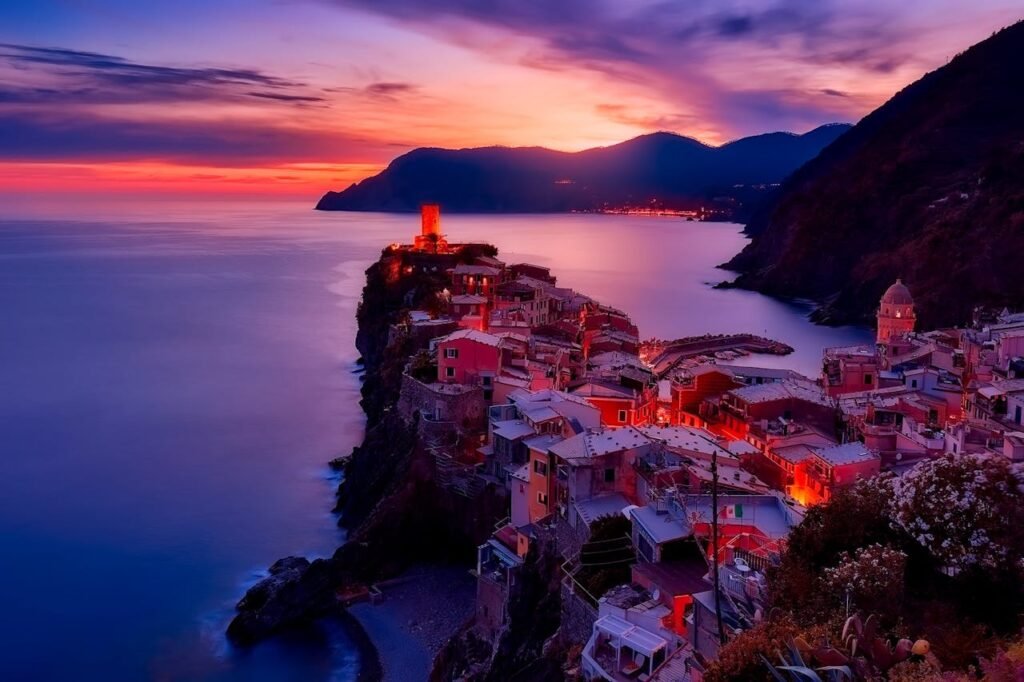
Southern Italy’s Coastal Secrets & Ancient Echoes: Cave Dwellings and Turquoise Waters
Southern Italy is often synonymous with the Amalfi Coast or Sicily, but its lesser-explored regions boast unique landscapes, ancient wonders, and untouched coastlines that offer profoundly authentic Italian experiences.
Matera (Basilicata)
Matera is truly unlike any other city in the world. Its ancient Sassi districts, a UNESCO World Heritage site, consist of houses and churches carved directly into the rock face, dating back millennia. Once a symbol of poverty, Matera has been dramatically revitalized and is now a captivating destination. Wandering through the labyrinthine alleyways, exploring cave churches adorned with Byzantine frescoes, and sleeping in a cave hotel offers an unparalleled authentic Italian experience. While gaining recognition, it still feels very much like an offbeat Italy destination compared to the major tourist hubs, offering a unique blend of history, architecture, and a palpable sense of time travel.
Le Marche’s Conero Riviera
For those who love the sea but wish to avoid the crowds of Rimini or Positano, the Conero Riviera in Le Marche is a revelation. Centered around Monte Conero, a dramatic limestone promontory, this coastline boasts secluded coves, white pebble beaches, and crystal-clear turquoise waters. Charming towns like Sirolo and Numana cling to the cliffs, offering breathtaking views and delicious seafood. Here, you can hike through Mediterranean scrub, discover hidden beaches accessible only by boat or on foot, and savor the tranquility of a truly lesser known place in Italy. It’s a perfect blend of natural beauty and genuine Italian coastal life.
Beyond Sightseeing: Embracing Authentic Italian Experiences
Discovering hidden gems Italy travel isn’t just about visiting new places; it’s about changing how you travel. It’s about slowing down, engaging with locals, and embracing the culture.
Culinary Journeys and Local Markets
An authentic Italian experience is intrinsically linked to its food. In offbeat Italy destinations, you’ll find local markets overflowing with seasonal produce, artisanal cheeses, and cured meats. Take a cooking class in a small village to learn regional specialties from a nonna, or simply sit at a family-run trattoria and let the chef surprise you. The slow food movement thrives in these areas, emphasizing local ingredients and traditional preparation. This is where you truly taste Italy.
Engaging with Local Traditions and Artisans
Many lesser known places in Italy still preserve age-old traditions, from craft workshops making ceramics, leather goods, or textiles, to vibrant local festivals (sagre) celebrating harvests or patron saints. Participating in these events or simply observing local artisans at work offers a unique window into Italian life, far removed from mass-produced souvenirs.
To help visualize the distinct advantages of exploring offbeat Italy destinations, consider this comparison:
| Feature/Experience | Popular Tourist Spots (e.g., Rome, Venice, Florence) | Hidden Gems (e.g., Matera, Urbino, Val di Funes) |
|---|---|---|
| Crowd Levels | Very High, often overwhelming, especially in peak season | Low to Moderate, even in peak season, allowing for more intimate experiences |
| Cost (Accommodation/Food) | High, often inflated for tourists, requiring early booking | Moderate, offering better value for money and authentic local dining |
| Authenticity | Often diluted by mass tourism, leading to tourist traps | High, genuine local interaction, traditional practices, and untouched landscapes |
| Pace of Travel | Fast-paced, ticking off famous sights, often rushed | Relaxed, immersive, encourages slow travel and deeper exploration |
| Unique Discoveries | Fewer unexpected finds, itineraries are standardized | Abundant, fosters a sense of exploration and personal discovery |
| Local Interaction | Limited, often transactional, language barriers more pronounced | Frequent, meaningful, cultural exchange, often with welcoming locals |
Conclusion
Italy’s charm extends far beyond its famous landmarks. By venturing into its hidden gems Italy travel offers a profoundly more rewarding and enriching experience. These offbeat Italy destinations provide a chance to connect with the country’s soul, to savor its true flavors, and to witness the authentic rhythms of Italian life. From the dramatic mountains of Val di Funes to the ancient cave dwellings of Matera, and the artistic havens of Urbino and Mantua, a different kind of Italian adventure awaits. Embrace the opportunity to discover the lesser known places in Italy, and you will unlock memories that are genuinely unique and deeply personal.
For more insights into the rich tapestry of Italian culture and to learn about responsible travel, consider exploring resources on sustainable travel tips. Additionally, to further plan your adventure through Europe, delve into guides from experienced travelers like those at Rick Steves’ Europe. These resources can help you craft an itinerary that truly reflects the spirit of discovery and authentic engagement.