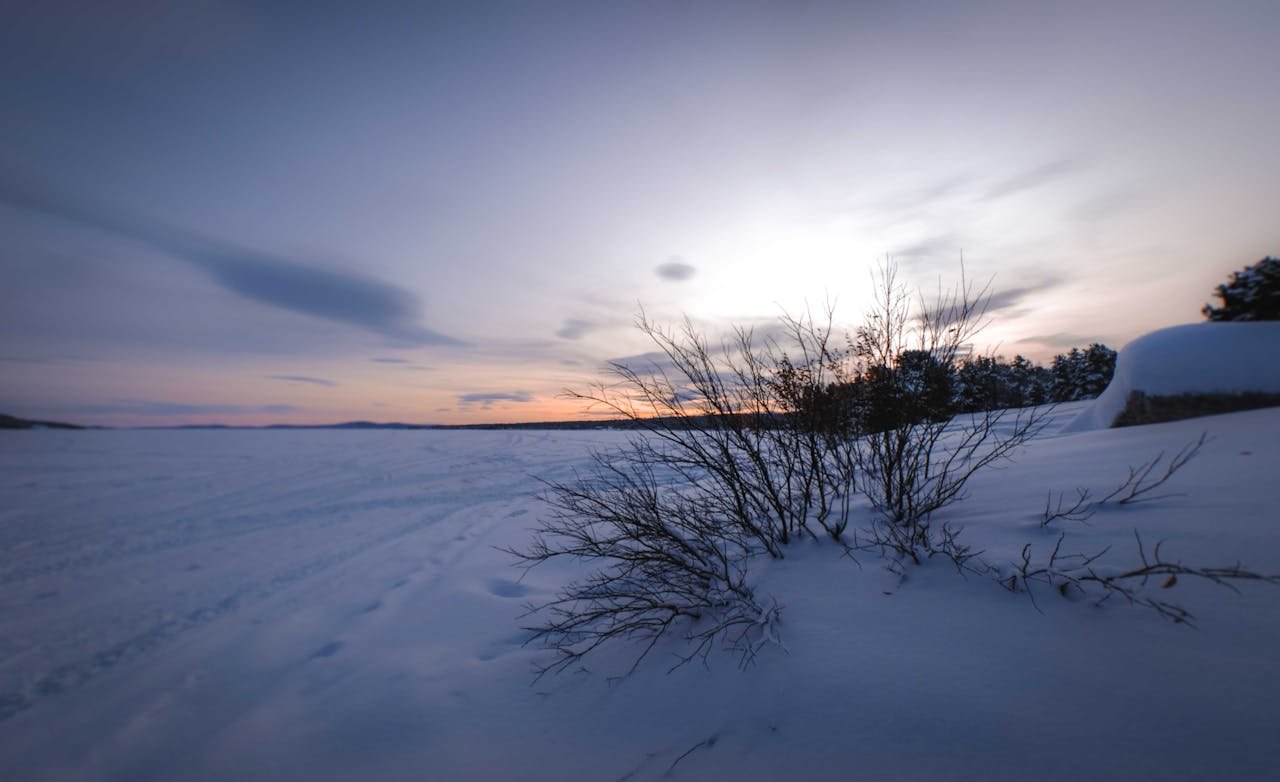
Nestled far above the Arctic Circle, Lake Inari (Inarijärvi) is more than just a body of water; it is a sacred landscape, a biological treasure, and a sanctuary for those seeking a profound connection with nature. Known as the “Sami Sea,” it is the third-largest lake in Finland and the sixth-largest in Europe. Whether you are drawn by the ethereal glow of the Northern Lights or the silent majesty of the boreal forests, this Arctic gem offers a therapeutic escape from the rigours of modern life.
Research suggests that spending time in such pristine environments can significantly improve mental wellbeing by reducing cortisol levels and enhancing cognitive function. In this guide, we explore the geography, culture, and restorative power of Lake Inari.
The Geography of an Arctic Giant
Lake Inari covers approximately 1,040 square kilometres. Its crystal-clear waters are peppered with over 3,000 islands, creating a labyrinthine landscape that is both rugged and serene. The lake’s formation is deeply rooted in geological history, shaped by the massive forces of glacier formation and retreat during the last Ice Age.
The surrounding terrain is a classic example of Finnish Lapland, featuring ancient rocks and diverse Arctic ecology. Unlike shallower lakes, Inari is remarkably deep in places, reaching depths of 92 metres, which contributes to its unique thermal properties and diverse aquatic life.
The Flora and Fauna
The ecosystem surrounding the lake is a vital part of the global boreal forests. Here, you might encounter the majestic brown bear, though they are notoriously shy. The brown bear population in this region is a testament to the area’s untouched wilderness.
- Aquatic Life: The lake is famous for its lake trout, Arctic char, and whitefish.
- Avian Species: Look out for white-tailed eagles and various migratory waterfowls.
- Vegetation: The shores are lined with Scots pine and stunted mountain birch, resilient enough to withstand the harsh Arctic winters.
Sami Culture and Spiritual Heritage
For the indigenous Sami people, Lake Inari is the heart of their ancestral lands. The Sami culture is inextricably linked to the rhythm of the seasons and the bounty of the lake. To truly understand this connection, a visit to the Inari village is essential.
The Siida Museum serves as a cultural centre, offering immersive exhibits on Sami history and the natural history of the region. One of the lake’s most significant landmarks is Ukko Island (Ukonsaari), an ancient sacrificial site that remains a place of deep spiritual importance to the local community.
Wellness Benefits of an Arctic Retreat
Travelling to Lake Inari offers more than just a holiday; it provides a unique opportunity to utilise “nature therapy.” Engaging in wilderness trekking around the lake or nearby Lemmenjoki National Park promotes cardiovascular health and physical endurance. The health benefits of walking in uneven, natural terrain include improved balance and core strength.
Cold Water Immersion
During the winter, many visitors partake in “avanto” or ice swimming. While it sounds daunting, cold water swimming is associated with improved circulation and a boosted immune system, provided it is done safely under supervision to prevent hypothermia.
Seasonal Activity Comparison
| Feature | Winter (Nov – April) | Summer (June – Aug) |
|---|---|---|
| Main Attraction | Northern Lights | Midnight Sun |
| Top Activity | Husky sledding & Ice fishing | Boating & Wilderness trekking |
| Health Focus | Cold thermogenesis & Sauna | Vitamin D & Physical activity |
| Cultural Experience | Reindeer herding activities | Fishing festivals |
The Magic of the Arctic Light
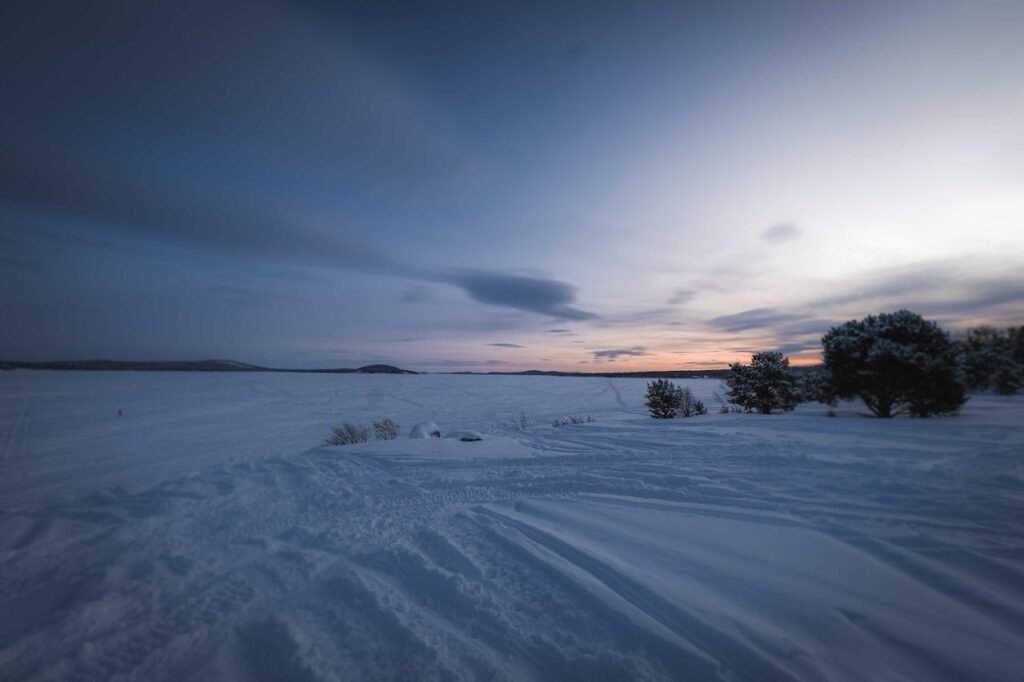
The light at Lake Inari undergoes dramatic shifts that can affect your circadian rhythm. In winter, the region experiences the “kaamos” or polar night, where the sun does not rise above the horizon. This is the peak time to witness the Northern Lights (Aurora Borealis).
The intensity of these lights is often linked to solar cycles. Conversely, the summer months bring the Midnight Sun, providing 24 hours of daylight. This abundance of light allows for extended periods of outdoor exploration, though it may require travellers to use blackout blinds to maintain a healthy sleep schedule.
Activities for the Modern Adventurer
Whether you prefer high-octane excitement or quiet contemplation, Lake Inari has something to offer. For many, the highlight of a winter trip is husky sledding across the frozen expanse of the lake, an activity that fosters a unique bond between humans and animals.
- Snowshoeing: An excellent way to explore the islands when the lake is frozen solid.
- Ice Fishing: A traditional practice that requires patience and provides a meditative experience.
- Reindeer Herding: Visiting a local farm allows you to learn about the sustainable practices of the Sami.
- Berry Picking: In late summer, the forests are full of cloudberries and bilberries, which are rich in Arctic antioxidants.
Planning Your Visit
The best time to visit depends on your personal interests. For winter sports and the Aurora, plan for February or March. For hiking and the Midnight Sun, July is ideal. Always check official resources like Visit Finland for the latest travel updates and local regulations.
Environmental preservation is crucial in this sensitive region. The Arctic climate reports highlight the vulnerability of these northern ecosystems, so visitors are encouraged to follow “Leave No Trace” principles to protect the lake for future generations.
Frequently Asked Questions (FAQs)
Is Lake Inari safe for swimming?
During the summer months, the water is clean and safe but remains quite cold, typically between 12°C and 15°C. In the winter, swimming is only possible through holes cut in the ice, which should only be attempted by those in good health and under local guidance.
How do I get to Inari village?
The most common route is to fly into Ivalo Airport, which is about a 45-minute drive from the Inari village. There are regular bus connections and car rental services available at the airport.
Can I see the Northern Lights every night at Lake Inari?
While Lake Inari is one of the best places in the world to see the Northern Lights, they are a natural phenomenon. Visibility depends on clear skies and solar activity. Most visitors staying for 3 to 4 nights during the winter season have a very high chance of a sighting.
What should I pack for a trip to Lake Inari?
In winter, thermal layers, wool socks, and high-quality insulated boots are essential. In summer, you will need waterproof hiking gear and insect repellent, as mosquitoes can be prevalent near the water.