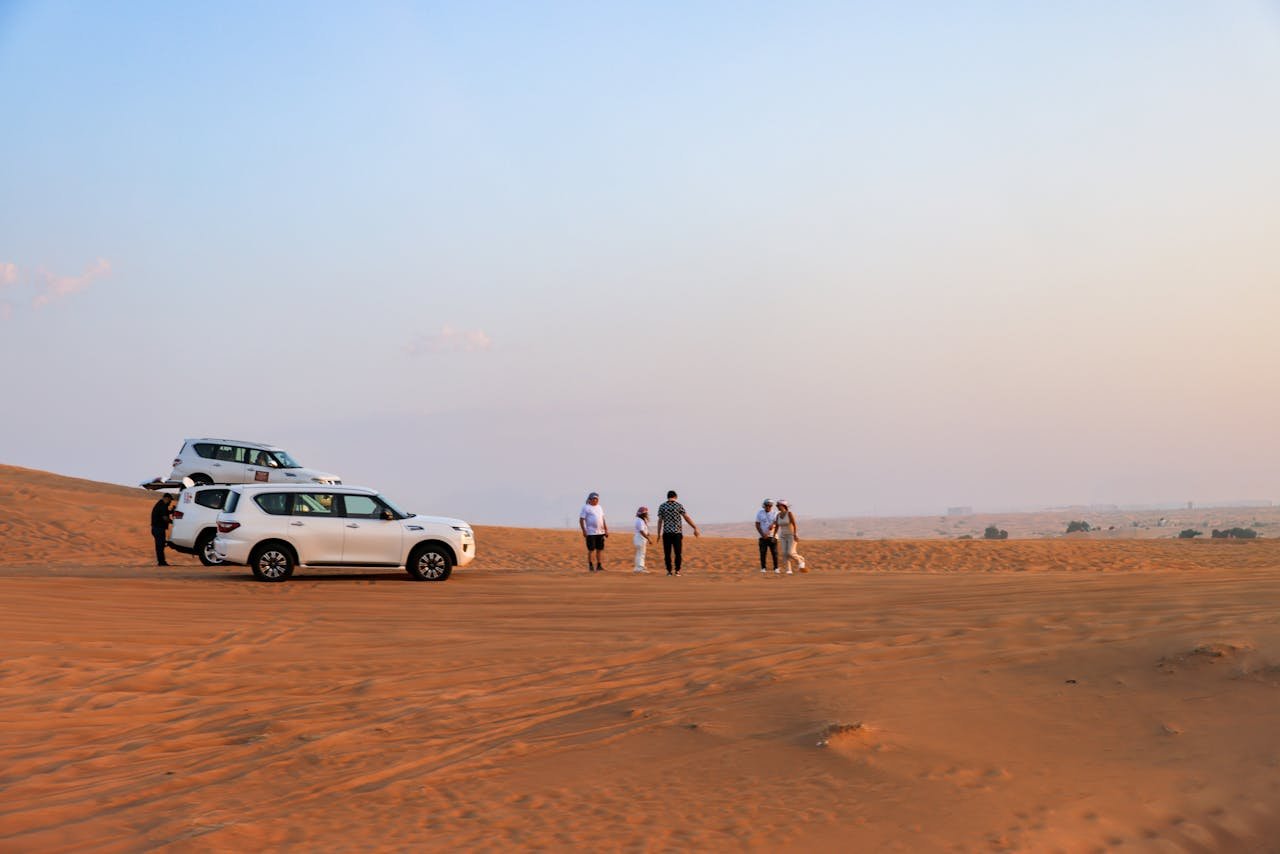
There is a profound difference between a trip and a journey. A trip is merely the act of moving from one place to another, often fraught with logistical headaches and missed opportunities. A journey, however, is a curated experience—a tapestry of moments woven together seamlessly. The bridge between the two is a well-constructed plan. Whether you are a solo backpacker or organizing a multi-generational family vacation, mastering the art of the perfect travel itinerary guide is essential for transforming a simple vacation into a lifelong memory.
While spontaneity has its romantic allure, the reality of modern travel—with its fluctuating prices, timed entry tickets for major attractions, and complex transit networks—rewards the prepared. A robust itinerary does not stifle freedom; rather, it creates a safety net that allows you to enjoy the moment without worrying about the mechanics of the next step. In this comprehensive guide, we will walk through the professional methodology of building a travel plan that balances structure with serendipity.
The Psychology of Anticipation: Why Planning Matters
Before diving into spreadsheets and maps, it is vital to understand why we plan. According to research cited by Psychology Today, the act of anticipating a trip can provide as much happiness as the trip itself. A well-crafted itinerary extends the joy of travel months before you even step on a plane. It builds a narrative arc for your vacation, ensuring that you return home feeling fulfilled rather than exhausted.
Step 1: Establish the “Iron Triangle” (Budget, Time, and Destination)
Every perfect travel itinerary guide begins with constraints. Without defined parameters, planning becomes an overwhelming exercise in infinite choice. You must first establish your “Iron Triangle.”
1. Budgeting with Precision
Travel costs can spiral quickly if not monitored. Start by determining your total disposable income for the trip. Experts in travel budgeting strategies recommend allocating 40% to transportation and accommodation, 30% to food and drink, 20% to activities, and keeping a strict 10% contingency fund for emergencies.
2. Timing and Seasonality
Are you traveling during peak season, shoulder season, or off-peak? This dictates not only the price but the pace of your itinerary. For example, visiting Europe in August requires rigid scheduling for museums, whereas November allows for flexibility.
3. Destination Selection
If you are undecided, use data to drive your decision. Tools like Numbeo allow you to perform a cost of living comparison, helping you understand how far your currency will go in different cities.
Step 2: The Funnel Method of Research
Once the foundation is set, begin the research phase using the “Funnel Method.” Start broad and narrow down to specifics.
- The Wide Net: Browse high-level inspiration sources. Check UNESCO’s World Heritage List to identify cultural and natural sites of outstanding universal value near your destination.
- The Filter: Cross-reference these sites with your interests. Are you a foodie, a historian, or an adventurer?
- The Selection: Create a “Must-Do” list vs. a “Nice-to-Do” list. A common mistake is treating every attraction as mandatory.
Step 3: Logistics and the Skeleton Itinerary
With your list in hand, plot your points on a map. This is where the logistical backbone of your itinerary forms. Group activities by neighborhood or region to minimize transit time. This approach, often referred to as “clustering,” saves hours of travel time and reduces fatigue.
Transport Considerations
Always research the connectivity between your clusters. For international travel, consult IATA (International Air Transport Association) or local transit authorities to understand current flight trends and entry requirements. If you are renting a car, ensure you understand local driving laws and parking availability.
Step 4: Pacing and Flow
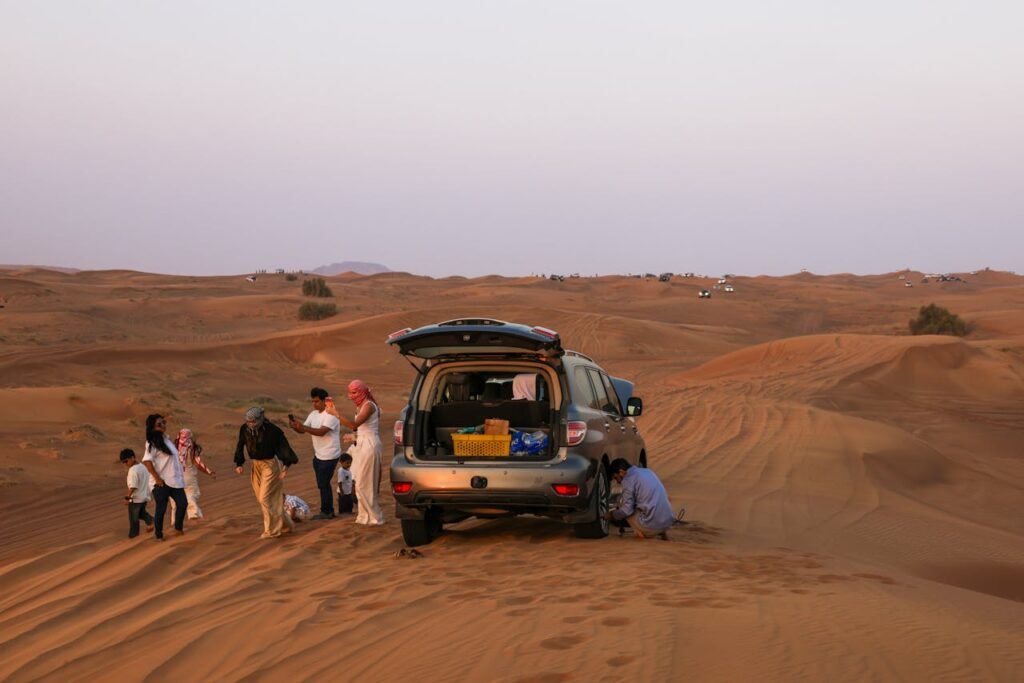
This is the most critical section of any perfect travel itinerary guide. The pacing of your trip determines your energy levels. A common amateur mistake is “over-stuffing”—attempting to see five cities in seven days.
The Rule of Two
Limit yourself to two major activities per day: one in the morning and one in the afternoon. This leaves room for lingering at a café, getting lost in a local market, or resting.
Itinerary Pacing Styles
To help you decide on the flow of your journey, consider which archetype fits your travel style best:
| Itinerary Style | Characteristics | Best Suited For | Pros | Cons |
|---|---|---|---|---|
| The Strategist | Hour-by-hour breakdown; pre-booked tickets; restaurant reservations. | Solo travelers, short city breaks, high-peak seasons. | Maximizes sightseeing; low decision fatigue during the trip. | Zero flexibility; high stress if delays occur. |
| The Wanderer | Only flights and first night accommodation booked. | Backpackers, long-term travelers, off-season trips. | Ultimate freedom; serendipitous discoveries. | Risk of sold-out attractions; potential for wasted time. |
| The Hybrid | “Anchor” activities booked (1 per day); free time scheduled around them. | Families, couples, general leisure. | Balances security with spontaneity. | Requires careful selection of “Anchors.” |
Step 5: Leveraging Technology for Organization
Gone are the days of paper folders. Modern travelers should utilize digital tools to keep their plans accessible offline. Apps like TripIt or Google Travel consolidate confirmation emails into a master timeline. According to tech reviews from TechCrunch, the integration of AI in these apps is rapidly improving how we manage real-time itinerary changes.
However, technology should also ensure safety. Always register your trip with your government’s safety program. For US citizens, the U.S. Department of State provides essential travel advisories and the SMART Traveler Enrollment Program (STEP).
Step 6: Health, Safety, and Sustainability
A truly perfect itinerary accounts for well-being and impact.
Health Precautions
Check the Centers for Disease Control and Prevention (CDC) for required travel vaccinations and health notices specific to your destination at least six weeks before departure.
Responsible Tourism
Your itinerary affects the places you visit. Incorporate sustainable practices by choosing eco-friendly transport or locally owned accommodations. The UN Tourism organization emphasizes that responsible travel ensures destinations remain preserved for future generations. Avoid “over-tourism” hotspots during peak hours, or choose alternative destinations that offer similar experiences without the crowds.
Step 7: The Art of the “Buffer Day”
No matter how well you plan, things will go wrong. Trains run late, weather turns sour, or a traveler gets a stomach bug. The secret weapon of the perfect travel itinerary guide is the “Buffer Day.”
For every 5 to 7 days of travel, leave one day completely unplanned. This day serves as a catch-all for rescheduled activities or simply a day to rest. Renowned travel expert Rick Steves advocates for this approach, often referring to it as “slow travel,” which allows you to absorb the culture rather than just observe it.
Conclusion: Your Journey Awaits
Crafting the perfect itinerary is not about scripting every second of your existence; it is about building a framework that allows you to thrive in a new environment. It is the balance between the logical logistics of getting from point A to point B and the emotional intelligence of knowing when to slow down and breathe.
By following this guide—establishing your budget, researching with a funnel approach, pacing your days wisely, and leveraging the right tools—you are not just planning a vacation; you are architecting an experience. Start drafting your plan today, but remember to write it in pencil. The most memorable moments are often the ones you never saw coming.