


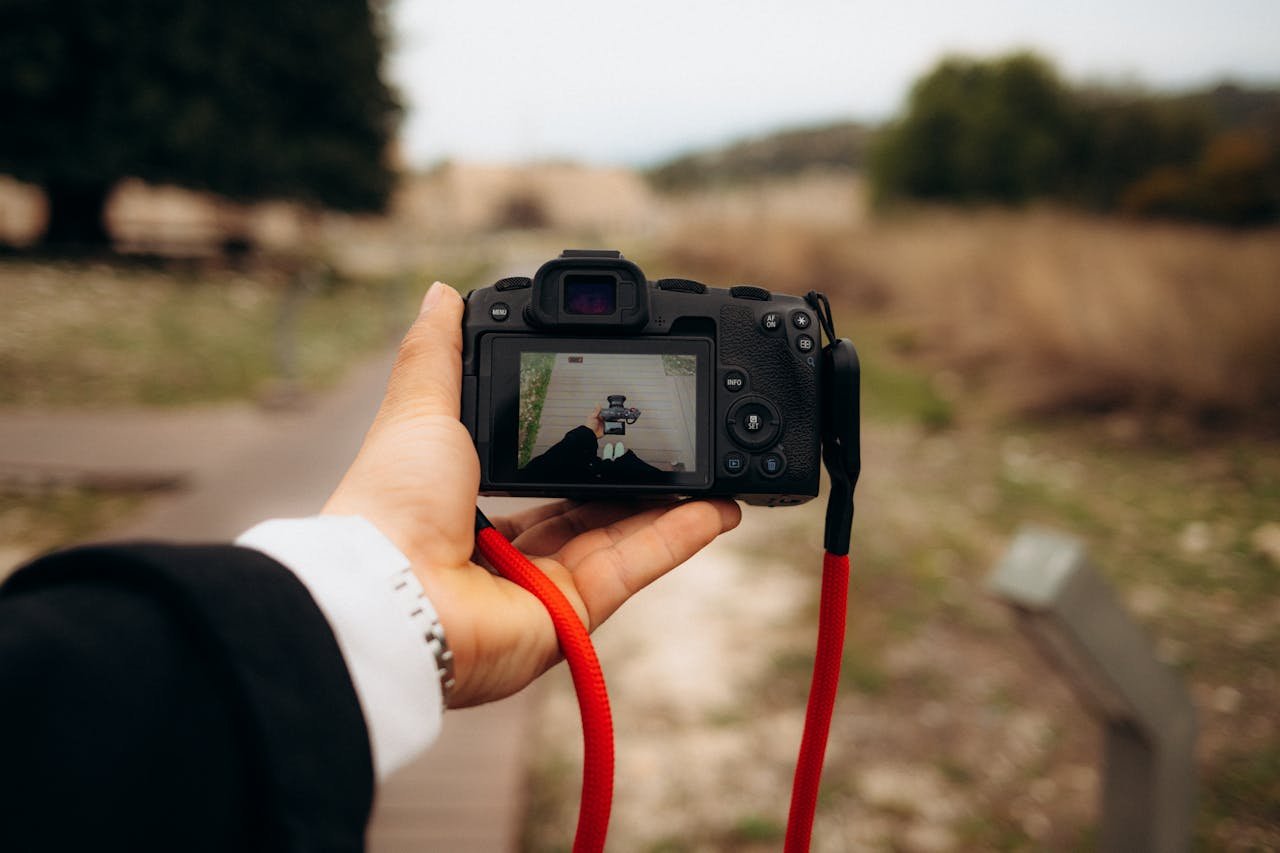
Embarking on an African adventure is a bucket-list dream for many. Whether you are traversing the Serengeti or exploring the Okavango Delta, the goal is often the same: to witness the majesty of nature and bring those memories home. However, wildlife photography requires more than just a keen eye; it demands the right safari camera gear to ensure you do not miss a fleeting moment.
In this guide, we will explore the essential equipment you need, from high-performance DSLR bodies to the nuances of image stabilisation. We prioritise practical, expert-backed advice to help you navigate the technical landscape of safari imaging.
Choosing the Right Camera Body
When selecting your primary device, the debate usually centres on mirrorless camera technology versus traditional DSLRs. While both have merits, the industry is shifting towards mirrorless systems due to their silent shutters—a vital feature when you are metres away from a skittish leopard. Research from Nature suggests that minimising human-induced noise is critical for authentic animal behaviour observation.
Consider a camera with a full-frame sensor if your budget allows. These sensors capture more light and detail, which is essential during “golden hour” when predators are most active. However, “crop sensor” cameras can be advantageous for wildlife photography as they provide extra reach for your lenses.
The Magic of Lenses: Finding Your Focal Length
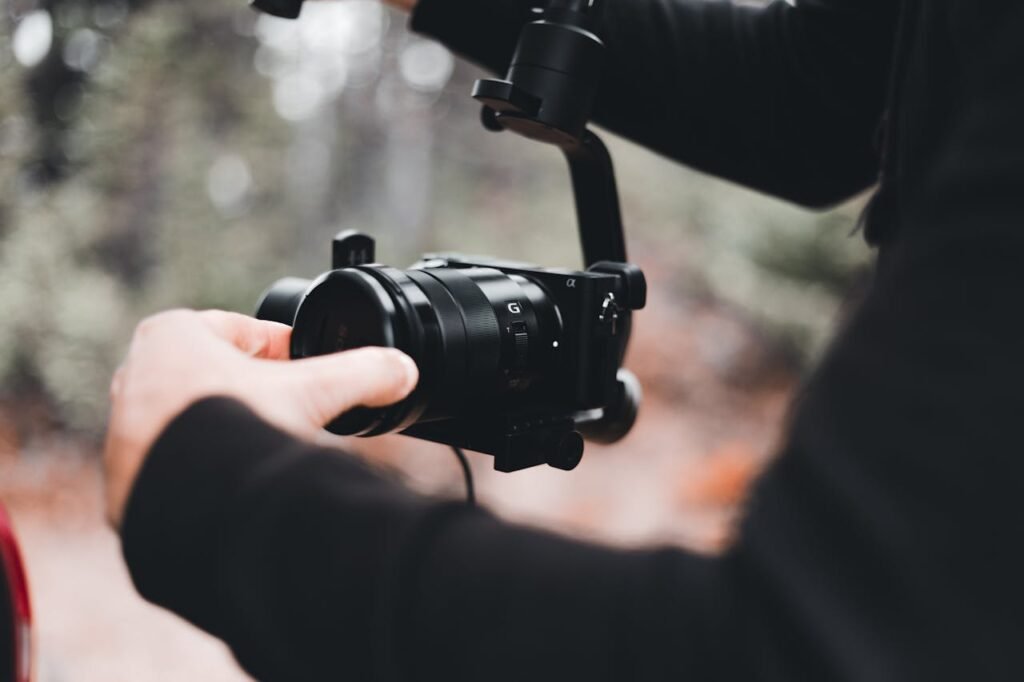
Your choice of glass is arguably more important than the camera itself. To capture a lion’s gaze from a safe distance, a powerful telephoto lens is non-negotiable. Ideally, you want a focal length of at least 400mm to 600mm.
According to the Royal Photographic Society, versatility is key. A zoom lens allows you to adjust your framing instantly without swapping equipment in a dusty environment. Don’t forget a wide-angle lens for those breathtaking savannah sunsets and vast landscapes that define the African continent.
Lens Comparison Table
To help you decide, here is a breakdown of common lens types used on safari:
| Lens Type | Ideal Use Case | Key Benefit |
|---|---|---|
| Super-Telephoto (400mm+) | Distant birds and predators | Maximum optical zoom and detail |
| Telephoto Zoom (100-400mm) | General wildlife and portraits | Versatility and ease of use |
| Wide-Angle (16-35mm) | Landscapes and starry skies | Captures the scale of the environment |
Essential Accessories for the Field
Your safari camera gear kit is not complete without the support tools that keep you shooting all day. Unlike a studio environment, the bush is unpredictable and harsh.
- Spare batteries: Cold mornings and long days can drain power quickly. Always carry at least two extras.
- Memory cards: High-speed cards are necessary for burst shooting. Experts at NASA emphasise that data write speeds are crucial for high-resolution imaging.
- Camera bean bag: Often better than a tripod in a moving vehicle, a bean bag provides a stable base on the window sill or roof rack.
- Lens hood: This helps prevent flare from the intense African sun and provides a physical barrier against stray branches.
Protection Against the Elements
The African bush is notoriously dusty. Dust protection is paramount to prevent grit from entering your camera’s internal mechanics. Equipment with high-quality weather sealing is a significant advantage. The Natural History Museum often highlights how environmental factors can degrade sensitive equipment over time.
Utilise a dedicated cleaning kit, including a blower and microfibre cloths, to maintain your gear. Additionally, the heat can be taxing on both you and your equipment. The Mayo Clinic warns that extreme heat requires careful management; keeping your gear in the shade when not in use prevents sensor overheating.
Top 5 Maintenance Tips
- Never change lenses in an open vehicle while moving.
- Use a “dry bag” to store gear during river crossings or rain showers.
- Clean your front lens element every evening.
- Keep spare batteries in a cool, dry place.
- Ensure your image stabilisation is turned off if using a very sturdy tripod (though usually keep it on for safari vehicles).
Ethical Wildlife Photography
Capturing the perfect shot should never come at the expense of an animal’s wellbeing. The IUCN and WWF both advocate for “disturb-free” observation. Using a long telephoto lens ensures you stay at a respectful distance, allowing animals to behave naturally. For more on animal behaviour, the University of Cambridge Department of Zoology provides extensive resources on how human presence affects wildlife.
Remember that your safety matters too. The Lancet notes that travel health, including protection against the sun and insects, is vital for maintaining the focus required for professional photography.
Frequently Asked Questions (FAQs)
What is the best camera for a first-time safari?
For beginners, a mid-range mirrorless camera with a 70-300mm lens offers a great balance of weight, cost, and performance. Brands like Sony, Canon, and Nikon all offer excellent entry-level “bridge” cameras with significant optical zoom capabilities.
Do I really need a tripod on safari?
In most cases, no. Safari vehicles are cramped, and tripods are difficult to manoeuvre. A camera bean bag or a monopod is far more practical for stabilising your safari camera gear during a drive. You can learn more about stabilisation techniques from the British Ecological Society photography archives.
How do I protect my gear from fine dust?
Keep your camera in a sealed bag when you aren’t shooting. Weather sealing on pro-sumer bodies helps, but it is not foolproof. The Oxford University WildCRU researchers, who spend months in the field, often use simple pillowcases or specialised rain covers to keep dust at bay.
How many memory cards should I bring?
Expect to take thousands of photos. It is better to have several smaller memory cards (e.g., 64GB or 128GB) rather than one massive one. This reduces the risk of losing all your data if a card fails. For high-performance data storage standards, refer to the Zoological Society of London (ZSL) conservation technology guidelines.
Is it worth bringing a laptop to edit photos?
If you have space, yes. Backing up your wildlife photography daily is a smart move. However, ensure your laptop is also protected from the heat and vibrations of the safari vehicle. Professional insights from the British Journal of Photography suggest that immediate review helps you adjust your technique for the following day’s shoot.
By investing in the right safari camera gear and following these expert tips, you will be well-equipped to capture the raw beauty of the natural world while respecting the environment and its inhabitants.

