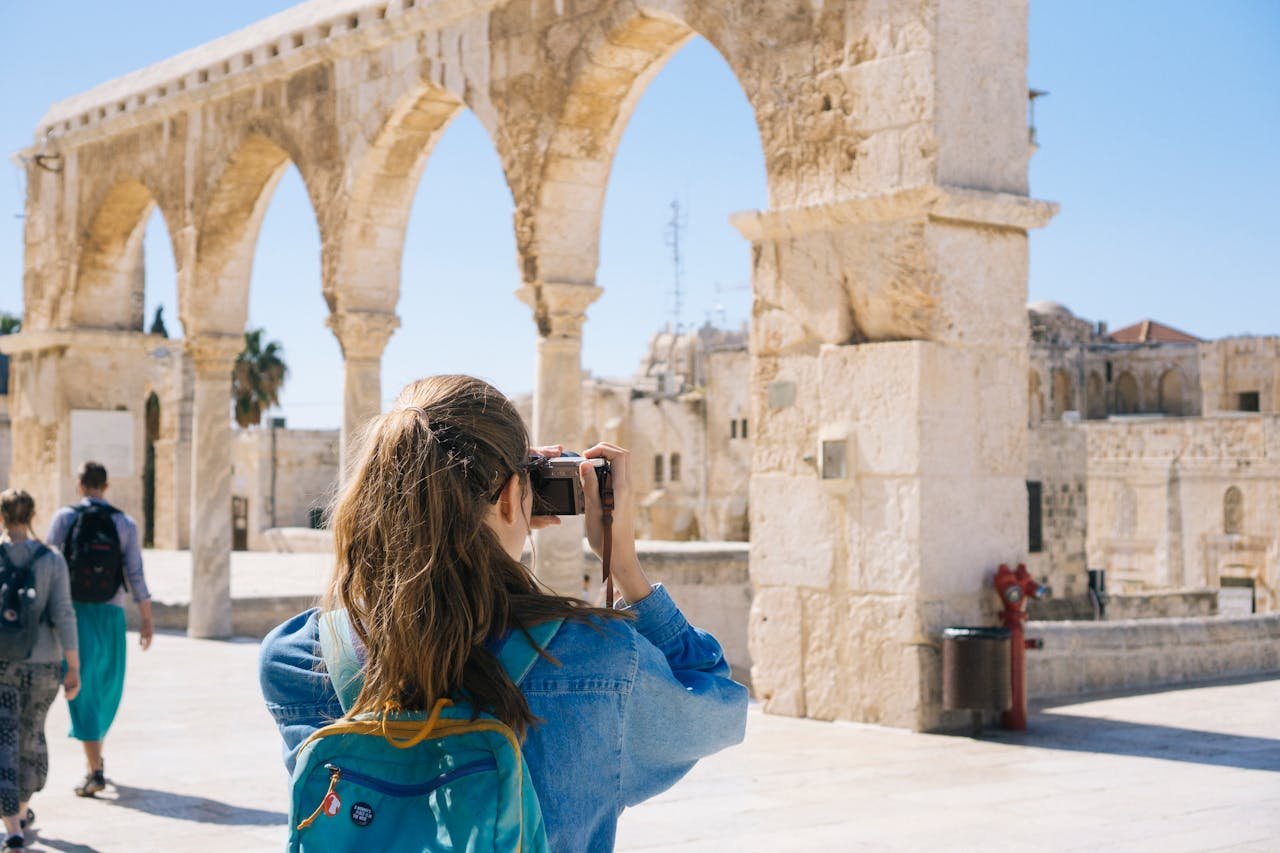
The traditional concept of the “office” has been shattered. In its place, a global movement has emerged, allowing professionals to trade gray cubicles for beachfront cafes, mountain cabins, and bustling foreign metropolises. Welcome to the era of location independence. If you are reading this, you are likely contemplating joining the millions of remote workers who have adopted this lifestyle. However, transitioning from a stationary employee to a global citizen requires more than just a laptop and a passport.
This digital nomad travel guide is designed to be your comprehensive blueprint. We will move beyond the Instagram aesthetics to cover the logistical, legal, and professional realities of working while exploring the world.
1. Defining the Modern Digital Nomad
A digital nomad is defined not just by travel, but by the utilization of telecommunications technologies to earn a living and, more importantly, conduct their life in a nomadic manner. According to Wikipedia, this lifestyle relies heavily on wireless internet, smartphones, and cloud-based applications to work remotely from coffee shops, public libraries, co-working spaces, or recreational vehicles.
The Mindset Shift
Before booking a one-way ticket, it is crucial to understand that this is not an extended vacation. It is a lifestyle design that prioritizes work-life integration rather than work-life balance. You must be disciplined enough to meet deadlines while potential adventures wait just outside your door.
2. Choosing Your Destination: The “Holy Trinity” of Criteria
When selecting a base, experienced nomads look for three critical factors: reliable internet, affordable cost of living, and community.
Connectivity is Oxygen
For a remote worker, the internet is more important than running water. Before committing to a location, verify upload and download speeds. Tools like Speedtest by Ookla are essential for checking the viability of a destination. A stunning beach hut in the Philippines is useless if you cannot join a Zoom call.
Cost of Living vs. Quality of Life
One of the primary benefits of the digital nomad lifestyle is “geo-arbitrage”—earning a strong currency (like USD, EUR, or GBP) while spending in a local currency with lower costs. Websites like Numbeo provide massive databases of user-contributed data about cities and countries worldwide, allowing you to estimate monthly expenses accurately.
Popular Hubs
- Bali, Indonesia: The spiritual home of digital nomads, specifically Canggu and Ubud.
- Lisbon, Portugal: A European hub with great weather and a thriving tech scene.
- Medellin, Colombia: Known as the City of Eternal Spring, offering a high quality of life at a low cost.
- Chiang Mai, Thailand: Famous for its incredible food, low costs, and high density of remote workers.
3. Data Comparison: Top Digital Nomad Hubs
To help you plan your first move, we have compiled a comparison of four major nomad hotspots based on current data.
| Feature | Chiang Mai, Thailand | Lisbon, Portugal | Medellin, Colombia | Tallinn, Estonia |
|---|---|---|---|---|
| Avg. Cost of Living (Monthly) | $800 – $1,200 | $2,000 – $2,800 | $1,100 – $1,600 | $1,800 – $2,500 |
| Internet Speed (Avg) | 200+ Mbps | 150+ Mbps | 50 – 100 Mbps | 100+ Mbps |
| Safety Index | High | High | Moderate | High |
| Visa Ease | Moderate (Elite/LTR Visas) | High (D7/Nomad Visa) | High (Nomad Visa) | High (Digital Nomad Visa) |
| Best For | Bootstrappers & SEOs | Tech Workers & Surfers | Culture & Nightlife | Startup Founders |
4. The Legal Landscape: Visas and Taxes
Operating in the gray area of tourist visas is becoming increasingly difficult and risky. Fortunately, governments are recognizing the economic value of remote workers.
The Rise of the Digital Nomad Visa
Countries are now competing for talent. For instance, Estonia’s e-Residency program was a pioneer in this space, allowing entrepreneurs to run an EU-based business online from anywhere. Following suit, countries like Croatia, Costa Rica, and Spain have launched specific Digital Nomad Visas (DNVs) that allow legal residency for 12 months or longer.

Understanding the Schengen Area
If you plan to travel through Europe, you must understand the Schengen Area rules. Generally, non-EU citizens can only stay for 90 days within any 180-day period across the entire zone. Violating this can lead to fines and bans from entry.
Tax Implications
Just because you leave your home country does not always mean you leave your tax obligations. U.S. citizens, for example, are taxed on global income regardless of residency. The Internal Revenue Service (IRS) offers the Foreign Earned Income Exclusion (FEIE), but qualifying requires strict adherence to physical presence tests. Always consult with a qualified accountant who specializes in expat taxation.
5. Housing and Accommodation Strategies
Finding a place to sleep is easy; finding a productive work environment is harder.
Coliving Spaces
Coliving is the evolution of the hostel, targeted at professionals. These spaces offer private rooms combined with shared workspaces and high-speed internet. They are excellent for combating loneliness. Companies like Selina have standardized this model globally, offering reliable amenities in remote locations.
Long-Term Rentals
For stays longer than a month, Airbnb can be overpriced. Local Facebook groups or platforms like Flatio are often better for finding monthly rentals without the tourist markup.
6. Financial Management on the Road
Managing money across borders used to be a headache of fees and delays. Today, fintech has solved most of these issues.
Multi-Currency Banking
Using your standard bank card abroad will likely incur foreign transaction fees (often 3%). It is essential to use borderless accounts. Platforms like Wise (formerly TransferWise) or Revolut allow you to hold money in multiple currencies and spend at the interbank exchange rate. You can read more about how currency exchange rates work on Investopedia.
Emergency Funds
This digital nomad travel guide cannot stress this enough: keep a separate emergency fund. Flights get canceled, laptops get stolen, and global pandemics happen. Aim to have at least three months of living expenses accessible in a liquid account.
7. Health, Safety, and Insurance
Your domestic health insurance likely stops working the moment you cross the border.
Travel vs. Health Insurance
There is a difference between travel insurance (lost luggage, flight delays) and international health insurance (medical care). For nomads, you need a hybrid. Providers like SafetyWing or World Nomads cater specifically to this demographic.
Vaccinations and Health Precautions
Before traveling to tropical regions, consult the Centers for Disease Control and Prevention (CDC) traveler’s health page. Depending on your destination, you may need vaccinations for Yellow Fever, Typhoid, or Hepatitis A.
8. The Gear: Your Mobile Office
Your hardware is your livelihood. Do not compromise on quality.
- Laptop: A lightweight, high-performance machine (MacBook Air or Dell XPS).
- Noise-Canceling Headphones: Essential for focus in loud cafes.
- Portable Stand & Keyboard: Ergonomics matter. Hunching over a laptop for months will lead to back pain.
- Universal Travel Adapter: A high-quality adapter with surge protection.
9. Staying Productive and Combating Loneliness
The glossy photos of nomads working from hammocks are misleading; hammocks are terrible for ergonomics. To sustain this lifestyle, you need a routine.
- Coworking Spaces: While cafes are nice, coworking spaces provide ergonomic chairs and a professional atmosphere.
- Time Zones: Be mindful of your clients. If you are in Bali working for New York clients, you will be working nights. Use tools like Time and Date to plan meetings accurately.
- Community: Loneliness is the number one complaint of long-term travelers. Make an effort to attend meetups. Websites like Meetup.com or Couchsurfing are great for finding local events.
Conclusion: Your Journey Begins Now
Becoming a digital nomad is not just about travel; it is about reclaiming autonomy over your time and environment. It requires resilience, planning, and a willingness to adapt. By following this digital nomad travel guide, you are equipping yourself with the knowledge to navigate the complexities of visas, taxes, and remote work infrastructure.
The world is vast, and the office is wherever you decide to open your laptop. The infrastructure is ready. The only question remaining is: where will you go first?
Ready to take the leap? Start by auditing your current role for remote viability and researching your first destination on Numbeo today.