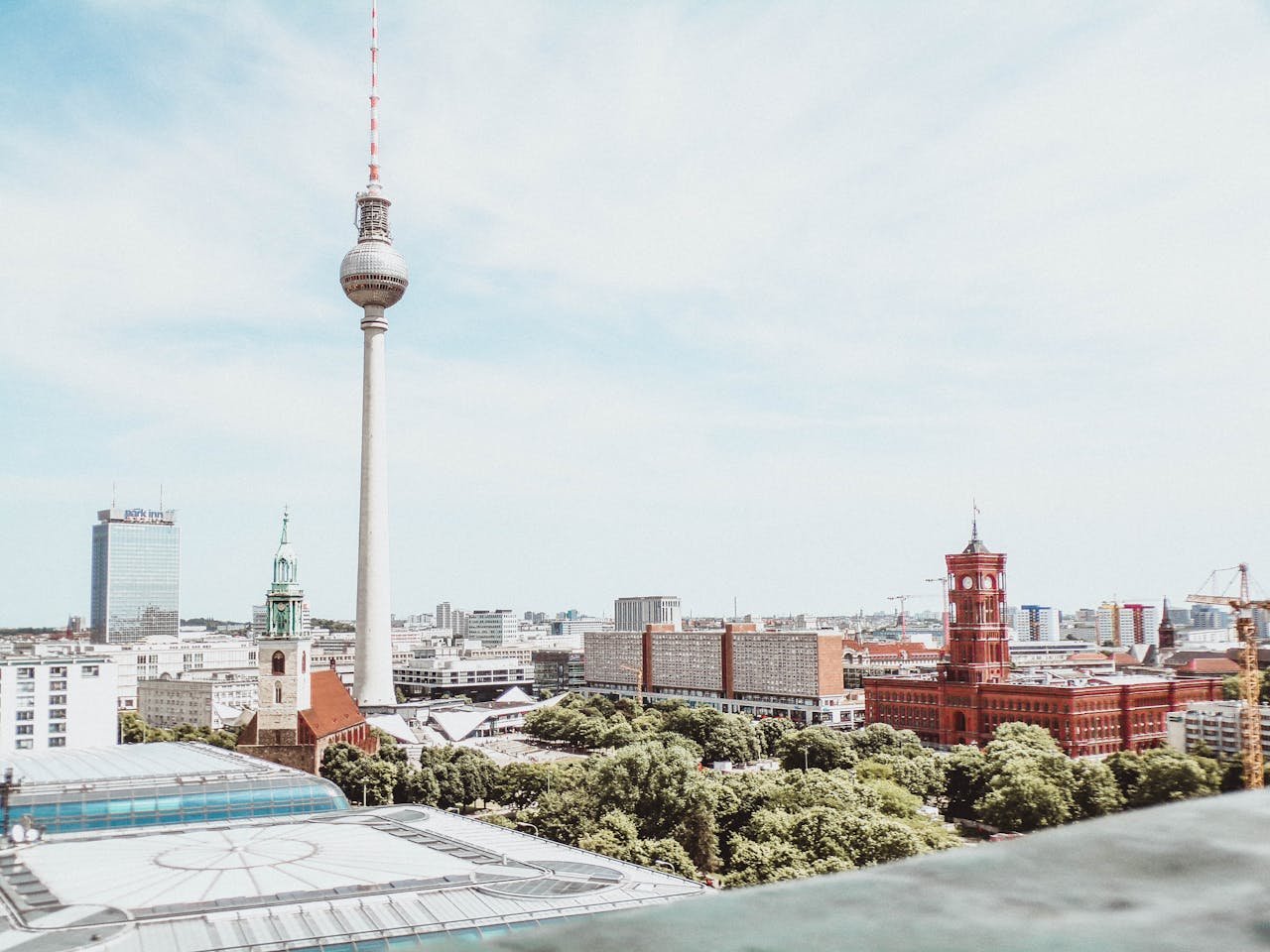
Berlin has long been hailed as the cultural heartbeat of Germany, but in recent years, it has earned a new, greener title: the Vegan Capital of Europe. For culinary travelers and eco-conscious foodies, the city offers an unparalleled landscape of plant-based gastronomy. While one could certainly explore the city’s restaurants haphazardly, vegan food tours in Berlin provide a curated, immersive deep-dive into a culinary revolution that is reshaping traditional German cuisine.
This comprehensive guide explores why Berlin is the epicenter of the plant-based movement, which neighborhoods offer the best tasting experiences, and how to select the perfect tour for your palate.
Why Berlin is the Vegan Capital of Europe
Berlin’s transformation from a city of Currywurst and Schnitzel to a plant-based mecca did not happen overnight. It is the result of a unique intersection of progressive politics, a massive international expat community, and a strong history of environmental activism. According to data from HappyCow, a leading resource for vegan dining, Berlin consistently ranks among the top cities globally for the sheer number of purely vegan establishments within a 5-mile radius.
Unlike other cities where vegan options are relegated to side dishes, Berlin integrates plant-based living into its core identity. From high-end Michelin-starred dining to gritty street food stalls, the commitment to sustainability is palpable. Major publications like National Geographic have frequently highlighted Berlin’s innovative approach to sustainable urban living, noting that the food scene is a direct reflection of the city’s “green” ethos.
Top Neighborhoods for Vegan Food Tours
When booking vegan food tours in Berlin, it is essential to understand the geography of the city. Berlin is decentralized, and each Kiez (neighborhood) offers a distinct flavor profile.
1. Kreuzberg: The Alternative Heart
Kreuzberg has historically been the center of counter-culture and activism. Here, veganism is less of a trend and more of a lifestyle deeply rooted in political and ethical choices. Tours in this area often focus on multicultural fusion, featuring Turkish-influenced vegan delights and community-run cafes. A stroll through the Markthalle Neun is a staple for foodies, often cited by VisitBerlin as a culinary hotspot.
2. Friedrichshain: Punk Rock & Palates
Separated from Kreuzberg by the Spree River, Friedrichshain offers a grittier, younger vibe. The area around Simon-Dach-Straße is packed with eateries. This district is famous for the “Vöner”—the vegan Döner Kebab—a revolutionary twist on the city’s most famous fast food.
3. Neukölln: The Trendy Up-and-Comer
Once a working-class district, Neukölln has rapidly gentrified into a hipster paradise. The vegan scene here is experimental and chic. You are likely to find zero-waste cafes, raw food bakeries, and upscale plant-based bistros. Tours here often discuss the socio-economic shifts of the city, referencing the broader conversation on urban development found in The Guardian.
4. Mitte: Sophisticated Dining
For those seeking a more polished experience, Mitte offers gourmet vegan tours. This is the historic center of the city, where plant-based fine dining meets history. It is an excellent area for chocolate tastings and high-concept cuisine.
Iconic Dishes You Will Encounter
A comprehensive vegan food tour in Berlin isn’t just about salads; it is about reimagining heavy, hearty German classics.
- Vegan Currywurst: No trip to Berlin is complete without Currywurst. The vegan version uses seitan or tofu sausages smothered in the iconic ketchup-curry powder sauce. The history of this dish is a matter of local pride, documented extensively by the Deutsches Currywurst Museum (archived/referenced).
- The Vöner (Vegan Döner): With Berlin being the birthplace of the Döner Kebab outside of Turkey, the vegan adaptation is crucial. It typically features spiced seitan cooked on a rotating spit.
- Pfannkuchen (Berliner Donuts): While traditional donuts use eggs and dairy, Berlin boasts completely vegan donut shops (like the famous Brammibal’s) that have gained international acclaim.
- Vietnamese Influence: Due to a significant diaspora, Berlin has incredible Vietnamese food. Many tours include a stop at a vegan Vietnamese restaurant, highlighting the strong cultural ties discussed by BBC Travel.
Comparing Tour Experiences: A Traveler’s Matrix
Choosing the right tour depends on your budget, time, and interest level. The table below compares the three most common categories of vegan food tours available in the city.
| Feature | Guided Walking Tours | Culinary Workshops | Self-Guided Apps/Maps |
|---|---|---|---|
| Primary Focus | History, culture, and variety of tastings | Technique, preparation, and one meal | Flexibility and exploration |
| Cost Range | €50 – €90 per person | €70 – €120 per person | Free – €15 (App cost) |
| Duration | 3 – 4 Hours | 3 – 5 Hours | Unlimited |
| Social Aspect | High (Group setting) | High (Interactive cooking) | Low (Solo or private group) |
| Typical Stops | 5-7 Tastings | 1 Kitchen location | Variable |
| Best For | First-time visitors wanting context | Home cooks and enthusiasts | Budget travelers |
| Sustainability | Low carbon footprint (walking) | Focus on sourcing ingredients | Variable |
Logistics: Planning Your Tour
Seasonality and Weather
Berlin winters can be harsh. While hearty vegan stews are comforting in December, walking tours are most enjoyable between May and September. However, the city’s public transport system, the BVG, is excellent, making winter tours manageable if they utilize the U-Bahn or tram to hop between districts.
Dietary Restrictions
While the tours are plant-based, travelers with gluten sensitivities or nut allergies must communicate this in advance. The German Coeliac Society (DZG) notes that awareness of allergens is generally high in German gastronomy, but cross-contamination in street food settings is a risk to manage.
Booking in Advance
Popular tours, especially those in English, sell out weeks in advance during the peak summer season. It is advisable to book through reputable platforms or directly with local operators.
The Sustainability Connection
Participating in vegan food tours in Berlin is more than a culinary indulgence; it is a support mechanism for the city’s aggressive sustainability goals. Germany has been a pioneer in the energy transition (Energiewende), and this environmental consciousness permeates the food sector.
Many tour operators align with the principles of Slow Food International, emphasizing good, clean, and fair food. By supporting local, plant-based businesses, tourists contribute to a lower carbon footprint. Furthermore, Berlin is part of the UNESCO Creative Cities Network, recognized for its design and increasingly, its innovative approach to urban gastronomy.
Insider Tips for the Ultimate Experience
- Come Hungry: This sounds obvious, but “tastings” in Germany are often portioned generously. Do not eat a full meal before your tour.
- Bring a Reusable Water Bottle: Berlin tap water is high quality and safe to drink. Refilling reduces plastic waste, aligning with the German Federal Environment Agency recommendations on waste reduction.
- Ask for Recipes: Many chefs and tour guides are passionate about their craft and are happy to share how to recreate a seitan marinade or a cashew cream sauce at home.
- Tipping: In Germany, tipping (Trinkgeld) is customary. If your guide provides an excellent experience, a tip of 10-15% is appreciated.
Conclusion
Berlin challenges the stereotype that German cuisine begins and ends with sausage and cheese. The city has reinvented itself as a playground for plant-based innovation, making vegan food tours in Berlin an essential experience for modern travelers. Whether you are biting into a spicy Vöner in Friedrichshain or enjoying a delicate beetroot carpaccio in Mitte, you are participating in a cultural shift that values sustainability, flavor, and creativity.
Don’t just visit Berlin to see the sights; visit to taste the future of food. Book your tour today and discover why this city is the undisputed vegan capital of Europe.