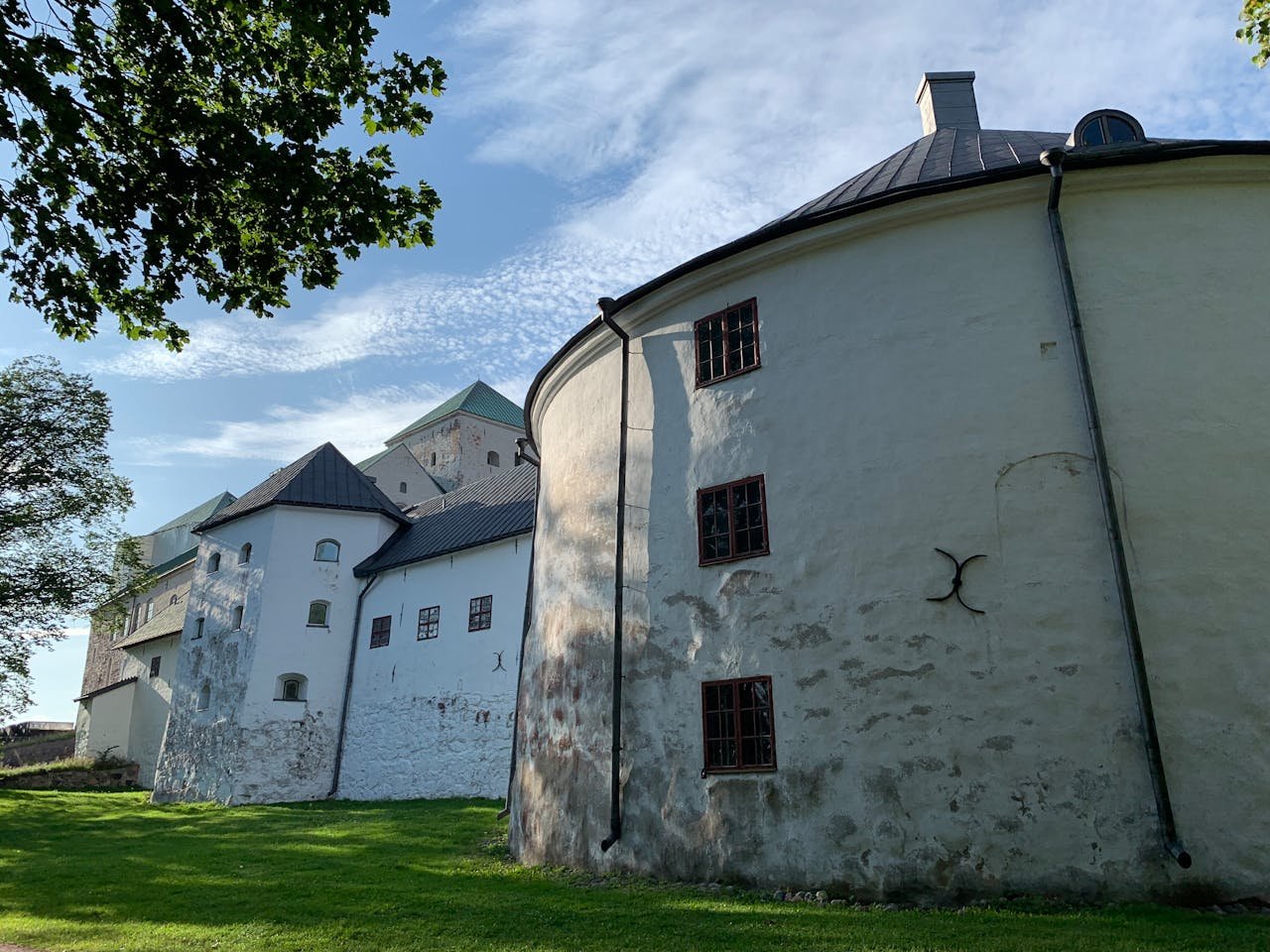
Perched majestically at the mouth of the Aura River, Turku castle is more than just a stone structure; it is a living chronicle of Northern European history. As the crown jewel of Finland’s oldest city, this historical landmark has stood the test of time, evolving from a simple fortress into a lavish residential palace and, eventually, a world-class museum. For those planning a city break in the Nordics, exploring this site is an essential experience that blends education with genuine wonder.
Whether you are a history buff, an architecture enthusiast, or a family looking for adventure, Turku castle offers a unique window into the past. In this guide, we’ll delve into its rich heritage, architectural marvels, and the practical tips you need for an unforgettable visit.
A Journey Through Time: The History of the Fortress
The foundations of Turku castle were laid in the late 13th century, around 1280. Originally designed as a military fortress for the Swedish King’s troops, its strategic location allowed for control over the Baltic Sea trade routes. During the era of the Swedish Empire, the castle became the administrative centre of Finland, which was then a part of Sweden.
According to historical records found on Britannica, the castle underwent significant expansions during the 16th century. It was during this period that King Gustav Vasa’s son, Duke John, and his wife, Catherine Jagellon, transformed the grim defensive walls into a sophisticated palace. This era introduced the Renaissance floor, bringing continental luxury and courtly life to the rugged Finnish landscape.
To understand the sheer longevity of such structures, scholars often look at the Nature of ancient masonry and preservation techniques that have kept these walls standing for over 700 years. Today, it is recognised as a vital heritage site, protected and curated by the Finnish Museums Association.
Architectural Marvels and Museum Exhibits
Walking through the gates of Turku castle feels like stepping back into the Middle Ages. The medieval architecture is characterised by thick granite walls, narrow winding staircases, and vast vaulted halls. It is a stark contrast to the modern urban layout of Turku today.
The Knight’s Hall and Royal Splendour
The Knight’s Hall is arguably the most impressive room in the castle. Once used for grand banquets and political assemblies, it captures the essence of the royal family’s influence in the region. You can almost hear the echoes of medieval festivities while admiring the period-appropriate furniture and tapestries. For a deeper look at medieval social structures, World History Encyclopedia provides excellent context on how such halls functioned as political hubs.
The Dark Side: The Dungeon and Defensive Walls
No medieval castle is complete without a darker history. The dungeon at Turku castle offers a sobering look at how prisoners were kept in centuries past. It serves as a reminder of the castle’s multifaceted role as a court, a prison, and a defensive stronghold. Researching historical incarceration on History.com reveals how these spaces were integral to maintaining order in the Swedish Empire.
Engaging Museum Exhibits
The castle now houses extensive museum exhibits that showcase everything from intricate jewellery to heavy armour. These collections are curated with the same precision you might find at the Smithsonian, ensuring that every artefact tells a story of the people who lived, worked, and fought here. You can also find information about the nearby Turku Cathedral, which shares a similar timeline and cultural importance, via the City of Turku official portal.
Planning Your Visit: Practical Information
If you are planning to visit this iconic historical landmark, it is worth checking the Visit Finland website for seasonal events. The castle is incredibly popular during the summer months, but a winter visit offers a quiet, atmospheric charm that is hard to beat.
Guided tours are highly recommended. Expert guides provide insights that you won’t find on placards alone, detailing the daily lives of both the nobility and the servants. For those travelling with children, the castle often hosts “Little Knight” tours and workshops designed to make history engaging for younger minds.
To help you decide when to go and what to expect, we have compiled a quick comparison table below:
| Feature | Summer Season (June–August) | Winter Season (September–May) |
|---|---|---|
| Crowd Levels | High – Busy and vibrant | Low – Peaceful and reflective |
| Guided Tours | Frequent, multiple languages | Scheduled, primarily weekends |
| Events | Medieval markets and jousting | Christmas fairs and candlelit tours |
| Weather | Mild and bright | Cold, often snowy and atmospheric |
Top Things to Do Near Turku Castle
A visit to Turku castle can easily be combined with other local attractions to create a perfect day trip. According to Lonely Planet, the surrounding area is rich with cultural experiences:
- Stroll along the Aura River: The riverfront is the heart of the city, lined with historic ships and modern restaurants.
- Visit Turku Cathedral: Just a short walk or bus ride away, this is the Mother Church of the Evangelical Lutheran Church of Finland.
- Aboa Vetus & Ars Nova: A unique museum that combines an archaeological site (old Turku) with contemporary art, as featured on TripAdvisor.
- Explore the Forum Marinum: A maritime museum that complements the naval history of the castle.
For those interested in the environmental impact of tourism on such sites, UNESCO provides extensive resources on sustainable travel and heritage preservation. Similarly, The Guardian often highlights the best way to enjoy a European city break without contributing to over-tourism.
Health and Accessibility During Your Visit
Exploring a medieval fortress involves a fair amount of physical activity. The uneven stone floors and steep stairs require a reasonable level of mobility. If you have concerns about the physical demands of travelling, Mayo Clinic offers great advice on staying fit for travel, while the NHS provides checklists for those with specific accessibility needs.
The castle has made strides in accessibility, with lifts available to some of the main levels, though the oldest parts of the dungeon remain difficult to access for those with limited mobility. Always check the latest accessibility updates on The New York Times Travel section or the castle’s official site before heading out.
Frequently Asked Questions (FAQs)
How long does it take to tour Turku castle?
Most visitors spend between 2 to 3 hours exploring the various museum exhibits, the Knight’s Hall, and the Renaissance floor. If you join one of the guided tours, you should allow for additional time.
Is the castle suitable for children?
Yes, Turku castle is very family-friendly. There are dedicated areas for children to dress up in medieval costumes, and the “Knight’s Hall” activities are specifically designed to be educational and fun for kids. More tips on family travel can be found on BBC Travel.
Can I host private events at the castle?
Absolutely. The castle is a popular venue for weddings, banquets, and corporate events. The historic atmosphere of the fortress provides a stunning backdrop for any special occasion, though bookings must be made well in advance through the city’s official organisation.
In conclusion, Turku castle is a monumental part of Finnish identity. It bridges the gap between the medieval past and the vibrant present, offering every visitor a chance to walk in the footsteps of kings, queens, and prisoners alike. Make sure to add this heritage site to your bucket list for your next trip to Northern Europe.