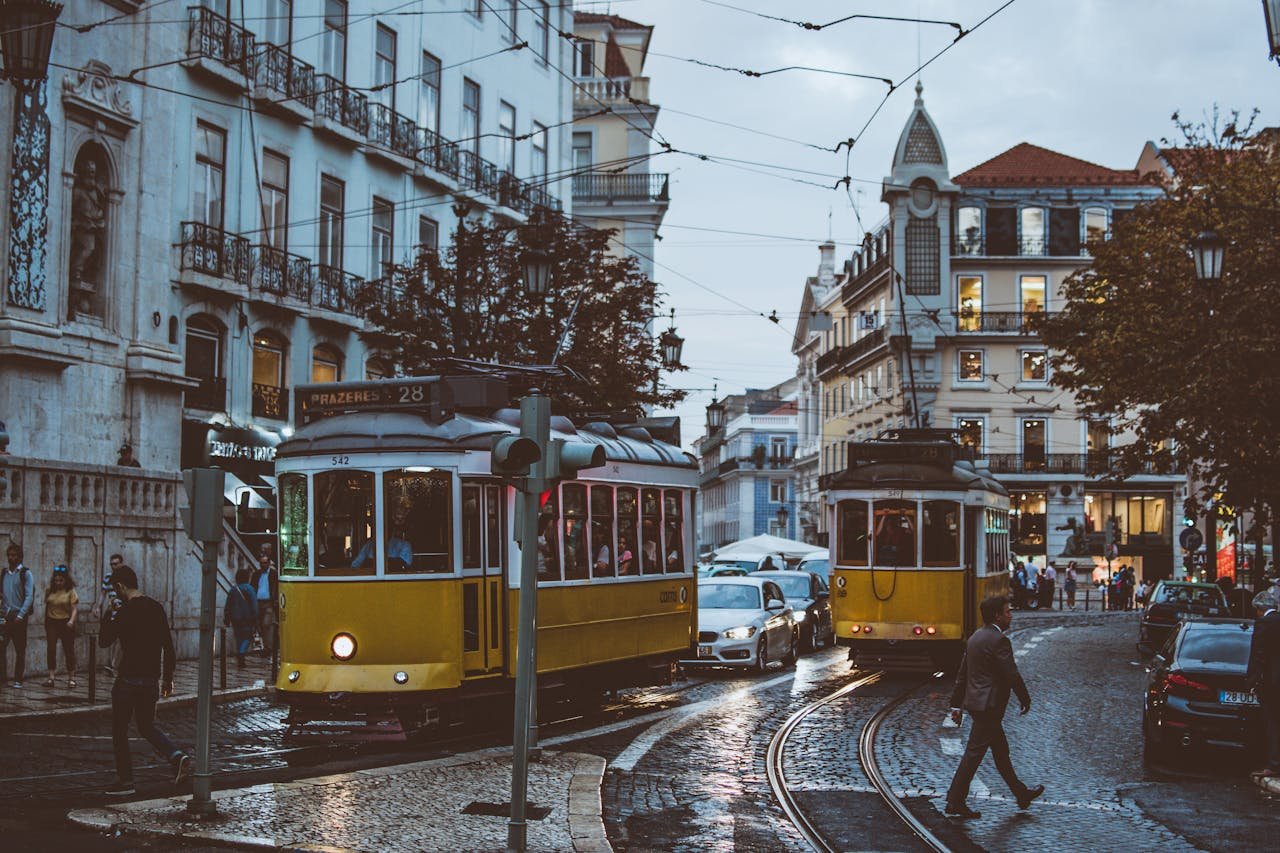
Portugal, a land famed for its golden beaches, vibrant cities like Lisbon and Porto, and the captivating allure of the Algarve coast, rightfully draws millions of visitors each year. The images of sun-drenched shores and bustling waterfronts are certainly inviting. Yet, beyond these popular coastal havens lies a profoundly rich and often overlooked dimension of the country – its cultural heartland. This is where authentic Portugal experiences truly come alive, where history whispers from ancient stones, traditions are deeply woven into daily life, and the genuine warmth of Portuguese hospitality is felt most keenly. If you’re yearning for cultural travel Portugal that goes deeper than the typical tourist trail, seeking out hidden gems Portugal and truly exploring Portugal off the beaten path promises a journey of unparalleled discovery.
The Allure of the Interior: A Deeper Dive into the Portuguese Soul
Stepping away from the Atlantic’s embrace, Portugal’s interior unfolds as a captivating tapestry of diverse landscapes, from rolling plains to dramatic mountains, and valleys carved by ancient rivers. It’s a region where time seems to slow, allowing visitors to savour each moment, each interaction, and each revelation. This is where the country’s Roman, Moorish, and Christian heritage converge in magnificent castles, serene monasteries, and charming, white-washed villages. The interior offers a profound sense of continuity, where age-old customs and artisanal crafts are not relics of the past but vibrant components of contemporary life. For those who seek more than just scenic beauty – for those who crave a connection with the soul of a nation – Portugal’s heartland is an essential destination. It provides a unique opportunity to immerse oneself in a Portugal that is both deeply rooted in its past and vibrantly alive in the present, offering truly authentic Portugal experiences.
Regions to Explore for Unforgettable Cultural Travel Portugal
To truly understand the depth of Portugal’s cultural offerings, one must venture into its less-trodden regions. Each area possesses a distinct identity, shaped by its geography, history, and the resilient spirit of its people.
Alentejo: Whispers of History and Gastronomy
Spanning a significant portion of southern and central Portugal, the Alentejo region is defined by its vast, undulating plains, dotted with ancient cork oak forests, olive groves, and sun-drenched vineyards. This is a land of quiet beauty and immense historical significance. The regional capital, Évora, is a UNESCO World Heritage site and a true hidden gem Portugal. Its Roman Temple, the macabre yet fascinating Chapel of Bones, and a majestic cathedral speak volumes of its storied past. Beyond Évora, discover prehistoric megalithic sites that predate Stonehenge, charming fortified villages like Monsaraz offering breathtaking views, and the slow, unhurried pace of rural life.
The Alentejo is also a gastronomic paradise, famous for its hearty, rustic cuisine. Dishes often feature black pork (porco preto), flavourful bread-based migas, and rich stews (cozido). The region’s wines, particularly its full-bodied reds, are gaining international acclaim and are a testament to the Alentejo’s dedication to quality. Exploring this region means embracing a slower rhythm, savouring genuine hospitality, and uncovering layers of history in every stone and every meal.
Centre of Portugal: Mountains, Monasteries, and Mysticism
Moving north into the heart of the country, the Centre of Portugal offers an incredibly diverse landscape and an even richer cultural tapestry. This is a region of dramatic mountain ranges, ancient university towns, and spiritual sanctuaries. The Serra da Estrela, Portugal’s highest mountain range, offers stunning natural beauty, traditional sheep farming, and the renowned Queijo da Serra cheese.
Further west lies Coimbra, home to one of Europe’s oldest universities and a city steeped in academic tradition and soulful fado music. Its majestic library, Capela de São Miguel, and historic streets provide a deep dive into Portugal’s intellectual past. Nearby, the magnificent UNESCO World Heritage monasteries of Batalha and Alcobaça showcase the pinnacle of Portuguese Gothic architecture. The town of Tomar, with its extraordinary Convento de Cristo, a former Knights Templar stronghold, offers a glimpse into a powerful and mysterious chapter of European history. For those on a spiritual journey, Fátima remains a globally significant pilgrimage site. This region truly offers a comprehensive cultural travel Portugal experience.
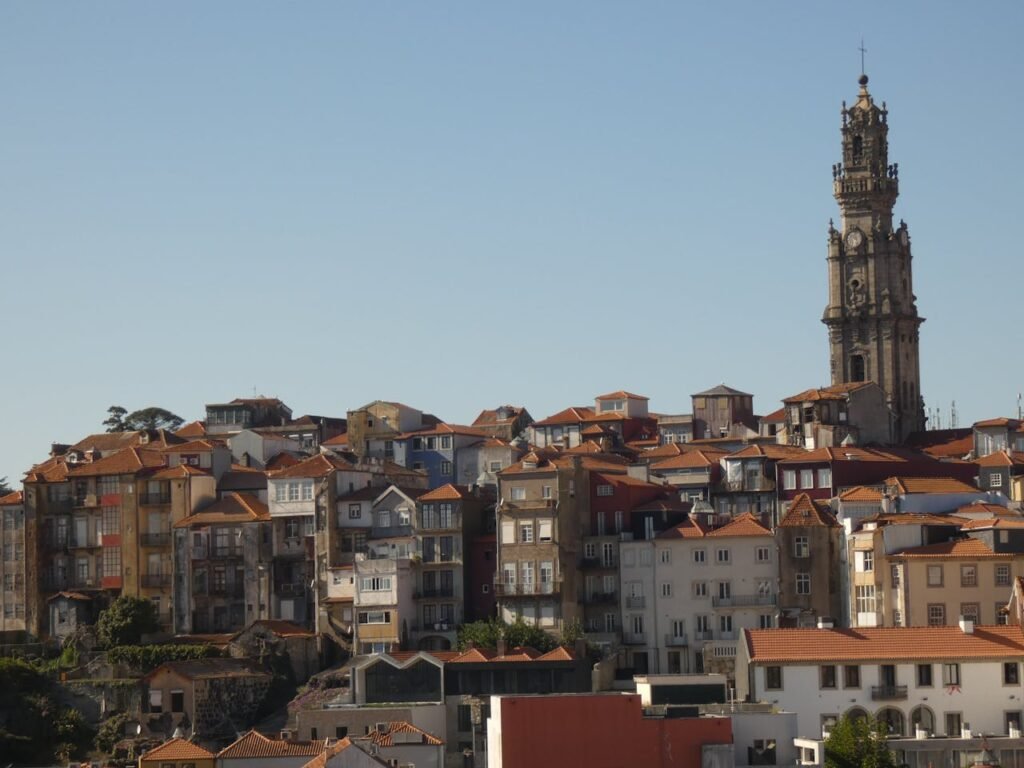
Trás-os-Montes: Rugged Beauty and Ancient Traditions
For an experience that truly takes you Portugal off the beaten path, venture into Trás-os-Montes e Alto Douro, literally meaning “Behind the Mountains and Upper Douro.” This rugged, isolated region in the northeast is often overlooked, preserving a profound sense of authenticity and ancient traditions. Characterized by wild landscapes, remote villages clinging to hillsides, and a fiercely independent spirit, Trás-os-Montes offers a journey back in time.
Here, you’ll encounter unique dialects like Mirandês, which is officially recognized, and customs that have been passed down through generations. The Montesinho Natural Park provides breathtaking scenery for hiking and wildlife spotting. The cuisine is hearty and comforting, famed for smoked meats, alheira sausages, and the iconic Posta à Mirandesa (a thick grilled steak). Exploring towns like Chaves, with its Roman bridge and thermal baths, or Bragança, with its imposing castle, reveals hidden gems Portugal that are untouched by mass tourism. This is a place for slow travel, for connecting with nature, and for witnessing a way of life that celebrates resilience and community.
Minho: The Cradle of Portugal
In the verdant northwest, the Minho region, often referred to as the “Green Garden of Portugal,” is considered the birthplace of the nation. It’s a land of lush landscapes, historic cities, and vibrant folk traditions. Guimarães, a UNESCO World Heritage site, proudly proclaims itself the “birthplace of the Portuguese nation” with its imposing castle and historic centre where Portugal’s first king was born.
Braga, one of the oldest Christian cities in the world, is Portugal’s religious capital, boasting an ancient cathedral and numerous Baroque churches, including the iconic Bom Jesus do Monte sanctuary with its spectacular stairway. Further west, Viana do Castelo graces the mouth of the Lima River, known for its beautiful folklore festivals, intricate gold filigree jewellery, and stunning views from Santa Luzia Basilica. The region is also famous for its refreshing “Vinho Verde” (green wine). Minho offers a lively and colourful facet of cultural travel Portugal, rich in both history and present-day exuberance, providing truly authentic Portugal experiences.
Embracing Authentic Portugal Experiences
Beyond specific regions, Portugal’s interior invites you to engage with its culture on a deeper level through its gastronomy, traditions, and craftsmanship.
A Culinary Odyssey Through the Interior
While coastal Portugal boasts incredible seafood, the interior’s cuisine is a revelation for food lovers. Each region proudly presents its unique specialties, often rooted in traditional farming and hearty ingredients. In the Alentejo, savour slow-cooked stews and succulent black pork. The Centre offers robust mountain cheeses and river fish dishes. Trás-os-Montes excels in smoked meats and game. Don’t just eat; participate. Visit local markets, learn about regional produce, or even take a cooking class to truly embed yourself in authentic Portugal experiences.
Festivals, Fairs, and Fado: The Living Culture
Portugal’s cultural calendar is vibrant with local festas, religious processions, and traditional fairs. Timing your visit to coincide with one of these events is an excellent way to witness the country’s living heritage. From the colourful Festas dos Tabuleiros in Tomar to the local patron saint celebrations in countless villages, these events offer an unfiltered glimpse into Portuguese community life. In Coimbra, the melancholic yet beautiful student Fado provides a different auditory cultural travel Portugal experience than its Lisbon counterpart. These are the moments when hidden gems Portugal reveal themselves through shared joy and tradition.
Artisanship and Heritage: Hands-On Discoveries
The interior is also a treasure trove for traditional crafts. Witness the intricate process of cork production in the Alentejo, marvel at the vibrant azulejos (painted tiles) in ceramic workshops, or admire the detailed embroidery and filigree gold work in Minho. Supporting local artisans not only allows you to take home a piece of Portugal’s soul but also helps preserve these invaluable traditions. This direct engagement provides some of the most profound authentic Portugal experiences available.
Planning Your Journey to Portugal Off the Beaten Path
Venturing into Portugal’s cultural heartland requires a slightly different approach than a typical beach holiday, but the rewards are immeasurable.
| Region | Key Cultural Highlights | Culinary Speciality | Natural Features | Unique Aspects |
|---|---|---|---|---|
| Alentejo | Évora (UNESCO), megalithic sites, cork production | Migas, Porco Preto, Regional Wines | Vast plains, cork oak forests | Slow pace, Roman heritage |
| Centre | Coimbra University, Knights Templar, Monasteries | Cozido à Portuguesa, Queijo da Serra | Serra da Estrela, Douro River | Academic tradition, religious sites |
| Trás-os-Montes | Traditional villages, Chaves Roman baths | Posta à Mirandesa, Alheira sausage | Montesinho Natural Park, mountains | Isolated charm, ancient dialects |
| Minho | Guimarães (birthplace), Braga, Viana do Castelo | Bacalhau à Braga, Vinho Verde | Lush green valleys, Atlantic coast | Folk traditions, religious processions |
- Getting Around: While public transport connects major towns, a rental car offers the ultimate flexibility to explore remote villages and scenic routes at your own pace, essential for discovering
Portugal off the beaten path. - Accommodation: Embrace the charm of turismo rural (rural tourism) – guesthouses, farm stays, and small boutique hotels often housed in historic buildings, offering personal touches and local insights.
- Language: While English is understood in tourist hubs, learning a few basic Portuguese phrases will greatly enhance your interactions with locals and is deeply appreciated.
- Timing: Spring (April-June) and Autumn (September-October) offer pleasant weather for exploring, with fewer crowds than the peak summer months, making for a more comfortable
cultural travel Portugalexperience.
Conclusion
Portugal is undeniably a land of captivating contrasts. While its sun-kissed coastlines and bustling cities beckon with their undeniable charm, the true essence of the nation, its deep-rooted history, and vibrant traditions reside in its interior. Exploring Portugal off the beaten path opens a window to a world where ancient stories are etched into every landscape, where authentic Portugal experiences unfold at a leisurely pace, and where the warmth of its people leaves an indelible mark. From the tranquil plains of Alentejo to the majestic mountains of Trás-os-Montes, the scholarly air of Coimbra, and the verdant traditions of Minho, these hidden gems Portugal offer a profound and enriching journey for any discerning traveler. Don’t just visit Portugal; immerse yourself in its soul, and discover the true meaning of cultural travel Portugal.
For those eager to delve deeper into the country’s rich heritage, learn more about Portuguese culture on Wikipedia. Discover why Forbes recommends exploring Portugal’s stunning Alentejo region. And for a broader perspective on cultural exploration, explore Rick Steves’ guide to authentic European travel experiences.