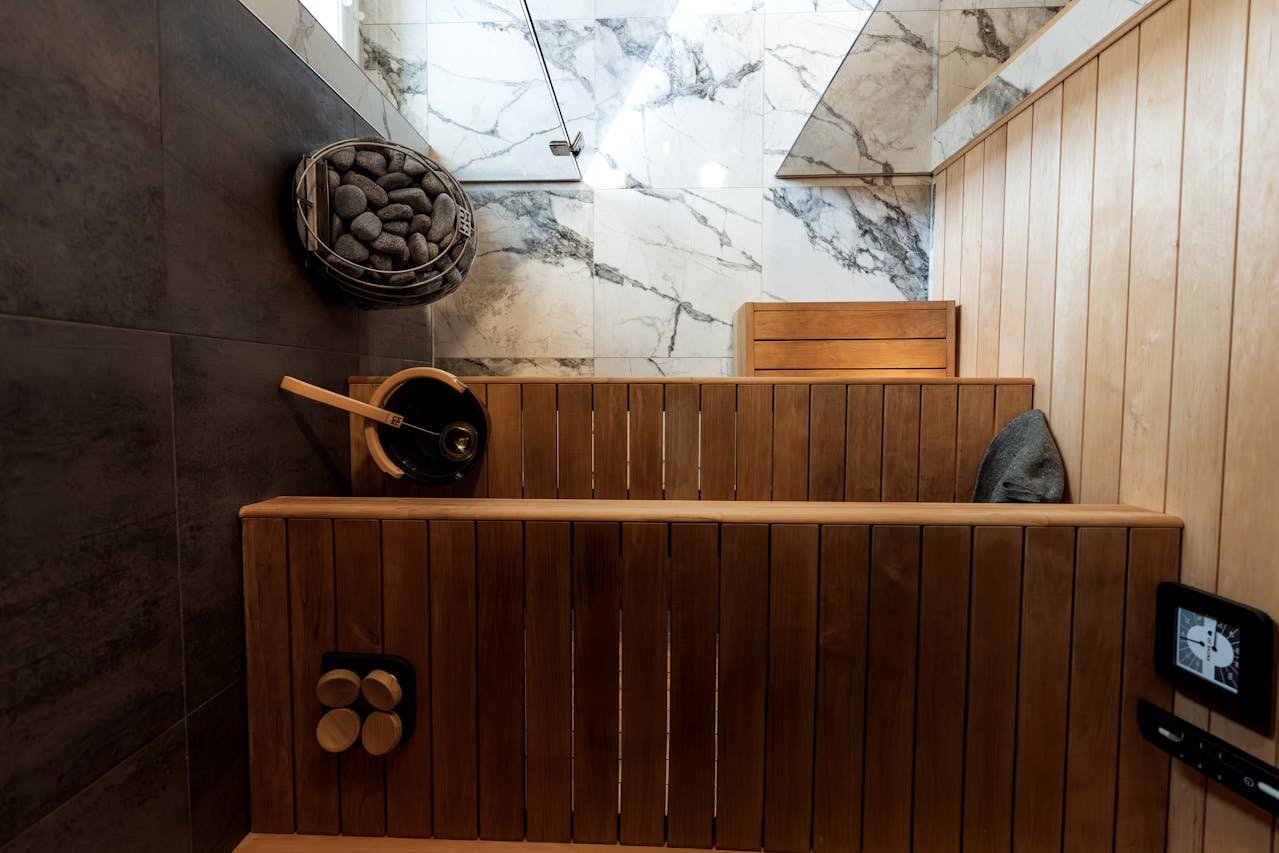
For centuries, the ritual of heat bathing has been a cornerstone of global wellness cultures. From the traditional Finnish sauna to the Roman baths, the practice of sweating for health is nothing new. However, what was once a luxury reserved for high-end spas or gym memberships is now increasingly accessible. Investing in a home sauna has become a popular way for individuals to prioritise their physical and mental well-being within the comfort of their own living space.
Whether you are looking to boost your cardiovascular health, find a sanctuary for relaxation, or speed up muscle recovery after a workout, adding a sauna to your home can be a life-changing decision. In this guide, we explore the science-backed benefits, the various types available, and what you need to know before your installation.
The Science of Heat Therapy: Why Go Under the Heat?
The primary mechanism behind a sauna is heat therapy (also known as thermotherapy). When your body temperature rises, your heart rate increases and your blood vessels dilate. This physiological response mimics a mild cardiovascular workout. According to research published in Nature, regular sauna use is associated with a lower risk of heart-related issues.
The benefits of a home sauna go beyond just feeling warm. Here are the key areas where heat can make a difference:
- Cardiovascular health: Regular sessions may help lower blood pressure and improve arterial stiffness. You can read more about heart health on the British Heart Foundation website.
- Muscle recovery: Heat increases blood flow to tired muscles, helping to flush out metabolic waste and reduce soreness. The Mayo Clinic highlights heat as a common tool for managing minor aches.
- Skin health: Sweating helps clear pores and improves circulation to the skin’s surface, often resulting in a healthy “glow.”
- Stress Reduction: The quiet, warm environment of an indoor sauna promotes the release of endorphins, our body’s natural “feel-good” chemicals. Insights on mental health can be found at Psychology Today.
- Improved Sleep: The body’s cool-down process after a sauna session signals to the brain that it is time to sleep. For more on sleep hygiene, visit the Sleep Foundation.
Choosing the Right Home Sauna for Your Space
Not all saunas are created equal. Depending on your budget-friendly goals and available space, you might choose between dry heat, steam, or light-based technology. Understanding these differences is crucial for your long-term satisfaction.
Traditional Finnish Sauna
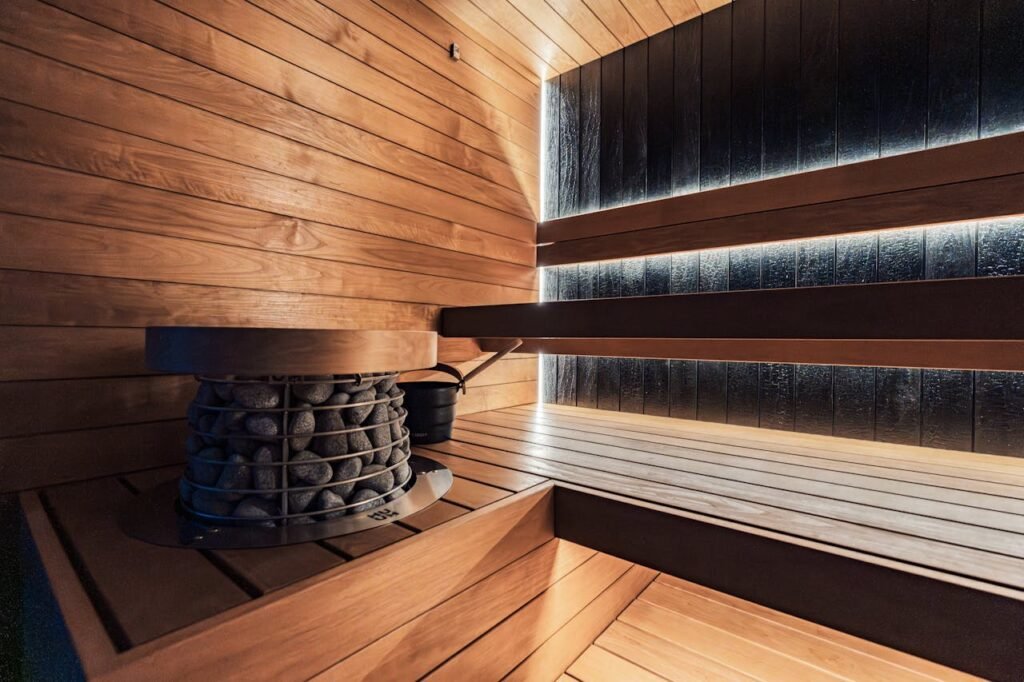
This is the classic experience. Utilising a heater with stones, you can create bursts of humidity by pouring water over the rocks. This type of home sauna usually reaches temperatures between 70°C and 90°C. It is the gold standard for those who enjoy high heat and a social atmosphere.
Infrared Sauna
An infrared sauna uses light waves to heat your body directly rather than heating the air around you. These operate at lower temperatures (usually 45°C to 60°C), making them more tolerable for people who find traditional saunas too intense. Scientific reviews on ScienceDirect suggest that infrared technology is particularly effective for deep tissue penetration.
Steam Room
While often confused with a sauna, a steam room provides 100% humidity. It uses a steam generator to create a moist environment, which is excellent for respiratory health. The NHS often suggests steam inhalation for clearing sinuses during a cold.
Comparing Your Options
To help you decide which wellness investment is right for you, consider this comparison table:
| Feature | Traditional Sauna | Infrared Sauna | Steam Room |
|---|---|---|---|
| Heat Type | Dry (can add humidity) | Radiant Light | Moist Heat |
| Temperature | 70°C – 90°C | 45°C – 60°C | 40°C – 50°C |
| Installation Ease | Moderate (needs venting) | Easy (plug-and-play) | Complex (waterproofed) |
| Best For | Classic experience | Joint pain & sensitive users | Respiratory & skin health |
Essential Considerations Before Buying
Before you commit to a purchase, there are several logistical factors to consider. A home sauna is an investment in your lifestyle, so you want to ensure it fits your home environment perfectly.
- Location: Will it be an indoor sauna in a converted garage or a garden unit? Outdoor units require better insulation and weatherproofing.
- Electrical Requirements: Smaller, portable sauna units might run on a standard plug, but larger traditional units often require a dedicated circuit installed by a professional.
- Materials: Look for high-quality woods like Canadian Hemlock or Red Cedar, which resist rot and remain cool to the touch.
- Additional Features: Many modern units include chromotherapy (light therapy), Bluetooth speakers, and ergonomic seating.
For those on a tighter budget, a portable sauna—often a tent-like structure with a steam or infrared source—can provide many of the same benefits without the high installation costs. You can find more information on clinical trials regarding heat treatments at ClinicalTrials.gov.
Safety First: How to Use a Sauna Responsibly
While saunas are generally safe for healthy individuals, it is important to follow basic safety protocols to avoid dehydration or heat exhaustion. The The Lancet often highlights the importance of public health awareness regarding extreme temperatures.
Stay Hydrated: Always drink plenty of water before and after your session.
Limit Your Time: Start with 5 to 10 minutes and gradually work your way up to 20 minutes as your body acclimates.
Listen to Your Body: If you feel dizzy or lightheaded, exit immediately.
Consult a Doctor: If you are pregnant or have underlying health conditions, consult a medical professional. More advice on when to see a doctor can be found at WebMD.
Research on detoxification through sweating is often debated; while the body primarily detoxifies via the liver and kidneys, sweating does help clear the skin and move circulation. Check out peer-reviewed articles on PubMed for the latest studies on sweat composition.
Maintaining Your Sanctuary
To keep your sauna in top condition, regular maintenance is key. For traditional units, occasionally scrub the benches with a mild soap. For steam rooms, ensure proper drainage to prevent mould. Keeping your wellness space clean ensures it remains a healthy environment. For more tips on home health environments, visit Medical News Today or check the BBC Health section for general advice on hygiene and wellness.
If you’re interested in the dermatological impact of heat, the Dermatology Times provides professional insights into how heat affects various skin conditions. Furthermore, if you’re looking for the broader health impact of lifestyle changes, Harvard Health is an excellent resource.
Frequently Asked Questions (FAQs)
How much does a home sauna cost to run?
The running costs depend on the type of sauna and your electricity tariff. On average, an infrared sauna is very energy-efficient, costing roughly 20p to 50p per session. Traditional saunas take longer to heat up and may cost slightly more per hour of use.
Can I install a sauna myself?
Many portable sauna units and infrared kits are designed for DIY installation. However, for a traditional Finnish sauna or a built-in steam room, we highly recommend hiring a qualified electrician and carpenter to ensure safety and proper ventilation.
How often should I use my home sauna?
Most experts suggest that using a sauna 3 to 4 times a week provides the best balance for cardiovascular health and muscle recovery. However, even once a week can offer significant relaxation benefits. Always listen to your body’s needs.