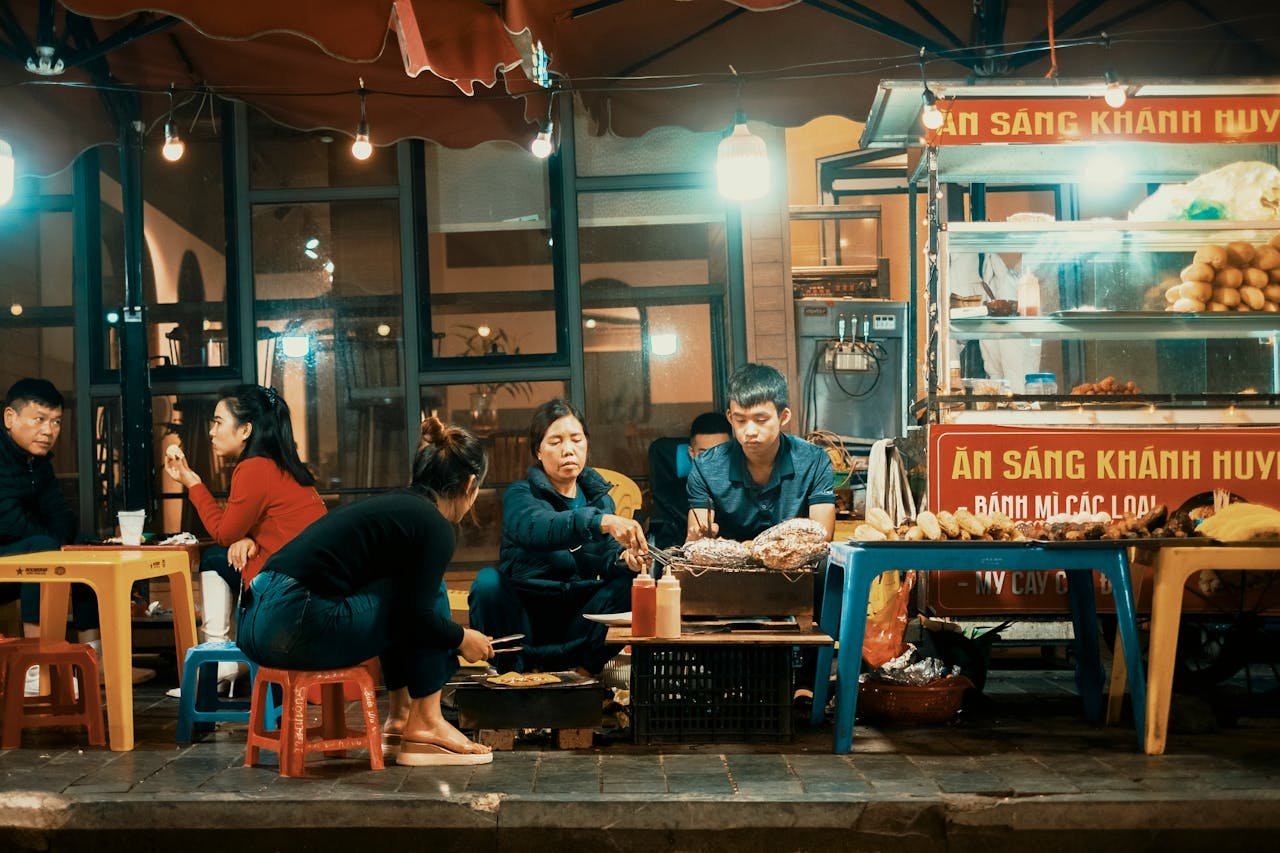
There is something undeniably electric about the sizzle of a hot griddle on a humid evening in Bangkok or the aromatic spice of a bustling market in Marrakesh. For many of us, culinary tourism is the heartbeat of travel. It is the quickest way to connect with a new culture, offering a sensory explosion that a sterile hotel restaurant simply cannot match. However, for the uninitiated, diving into the world of roadside dining can feel a bit like a gamble. This street food guide is designed to help you navigate these edible gems with confidence, ensuring your stomach stays as happy as your taste buds.
The Rise of Gastro-Tourism
In recent years, gastro-tourism has evolved from a niche hobby into a global phenomenon. Travellers are no longer looking for the most expensive tablecloths; they are searching for authentic recipes passed down through generations. Whether it is a perfectly spiced taco in Mexico City or a bowl of steaming laksa in Kuala Lumpur, street food provides a direct link to a region’s history. According to UNESCO, many of these food traditions are now recognised as intangible cultural heritage, highlighting their immense value to humanity.
Safety First: How to Spot the Best Street Vendors
The most common concern for those following a street food guide is food safety. Nobody wants their holiday cut short by a bout of illness. The World Health Organization emphasises that safe food handling is the most effective way to prevent illness. When exploring night markets, look for street vendors with a high turnover of customers. A queue is usually a sign that the food is fresh and the hygienic practices are trusted by locals.
Pay close attention to how the food is prepared. Ideally, you want to see your meal cooked to order at high temperatures. High heat is a primary factor in food poisoning prevention, as it kills most harmful bacteria. For more specific medical advice on identifying symptoms of distress, the NHS guide to food poisoning offers comprehensive support.
What to Look For at a Food Stall
- High Turnover: Busy stalls mean the ingredients are constantly being replaced.
- Visible Cooking: Ensure your food is cooked right in front of you.
- Separation of Tasks: The person handling the money should not be the person handling the raw ingredients.
- Clean Surfaces: While it is “street” food, the immediate prep area should be tidy.
Comparing Street Food Risks and Rewards
To help you make the best choices while travelling, we have compared common street food categories based on their typical safety profile and nutritional value.
| Food Type | Safety Level | Nutritional Value | Primary Risk Factor |
|---|---|---|---|
| Fried/Boiled Snacks | High | Moderate (Energy dense) | Reused oil or high sodium |
| Grilled Meats | Medium-High | High (Protein) | Under-cooked centres |
| Fresh Fruit (Peeled) | High | High (Vitamins) | Contaminated knives |
| Raw Salads/Herbs | Low-Medium | High (Fibre) | Unfiltered wash water |
Nutritional Value and Mindful Eating
It is a common misconception that street food is inherently unhealthy. In many parts of the world, local delicacies are based on fresh, whole ingredients. However, portion control and the method of cooking play a huge role. The British Heart Foundation suggests that choosing grilled or steamed options over deep-fried items can significantly reduce your intake of saturated fats.
If you are worried about maintaining a balanced diet, look for regional specialities that incorporate legumes, lean proteins, and fermented vegetables. For more insights on maintaining your health while abroad, Healthline provides excellent resources on habit-forming nutrition.
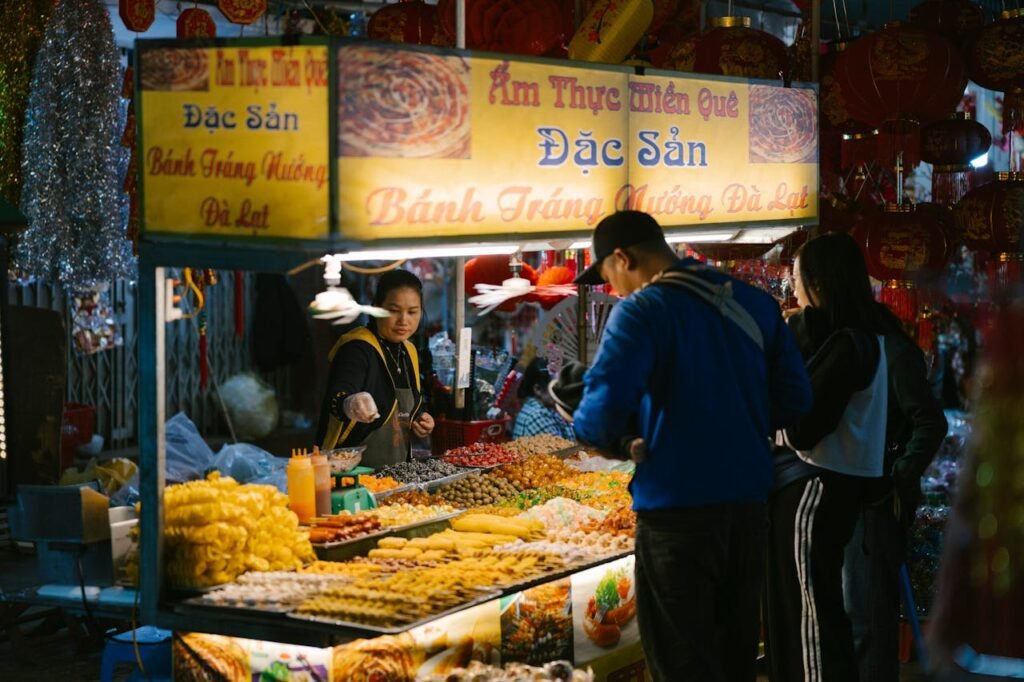
Global Flavours: A Journey Through Regional Specialities
Part of the joy of a street food guide is discovering global flavours you cannot find at home. Each continent offers something unique:
- Asia: Known for its complex spice profiles and incredible variety, from satay to bao buns.
- Latin America: A haven for corn-based treats like arepas and tacos that offer a perfect crunch.
- Middle East: Home to smoky kebabs, creamy hummus, and crispy falafel.
- Europe: Think Belgian waffles, French crepes, and German bratwurst.
Before you depart, it is wise to check the UK Government’s foreign travel advice for your specific destination to stay updated on any local health alerts or safety concerns.
Practical Tips for Budget Travel and Cultural Immersion
Choosing to eat from stalls is a hallmark of budget travel. Not only is it significantly cheaper than sit-down restaurants, but it also offers a level of cultural immersion that is hard to replicate. You are eating where the locals eat, often sitting on small plastic stools on the pavement, soaking in the ambient noise of the city.
To maximise your experience, follow these quick tips:
- Carry Hand Sanitiser: Clean your hands before touching your food.
- Drink Bottled Water: As the CDC guidelines recommend, avoid tap water and ice in regions where water filtration is unreliable.
- Watch the Water: Even the FAO notes that water quality is a major factor in foodborne illness.
- Learn Basic Phrases: Knowing how to ask “how much?” or “is it spicy?” in the local tongue goes a long way.
What to Do If You Get Sick
Despite your best efforts, sometimes your digestive system might struggle with new microbes. Research in the Journal of Travel Medicine suggests that “traveller’s diarrhoea” is one of the most common health issues faced by tourists. If you experience severe symptoms, the Mayo Clinic advises seeking medical attention if you cannot keep fluids down or if you have a high fever.
Keeping a small first-aid kit with rehydration salts is essential. For immediate steps on managing stomach issues, the Red Cross provides excellent first-aid guidance. If you are interested in the science behind these bacteria, a study in Nature explores the microbial landscape of street foods in urban environments.
Final Thoughts
The world of street food is a vibrant, delicious, and deeply rewarding landscape. By following this street food guide, you can mitigate risks while enjoying the incredible nutritional value and taste of global cuisines. For those looking to recreate these tastes at home safely, BBC Food offers tips on adapting street recipes for the domestic kitchen. Always remember to check with the British Nutrition Foundation for advice on maintaining a sustainable diet while exploring the world.
Frequently Asked Questions (FAQs)
Is it safe to eat street food if I have a sensitive stomach?
Yes, provided you are cautious. Stick to items that are boiled or fried at high temperatures right in front of you. Avoid raw vegetables or fruits that may have been washed in local tap water, and always carry rehydration salts as a precaution.
How do I know if a street vendor is reputable?
Look for a “busy” stall. A high volume of local customers usually indicates that the food is fresh and the vendor has a good reputation for hygienic practices. Also, check if the vendor uses gloves or separate utensils for raw and cooked items.
What are the healthiest street food options?
Opt for grilled proteins, such as chicken or fish skewers, and steamed dumplings. Freshly peeled fruits (like mango or pineapple) are also excellent choices for vitamins. Try to avoid deep-fried doughs or heavy sauces if you are watching your calorie intake.
Should I avoid ice in my drinks?
In many developing nations, it is safer to avoid ice unless you are certain it is made from purified water. Many street vendors use blocks of ice that may have been transported in unhygienic conditions. Stick to sealed, bottled beverages whenever possible.