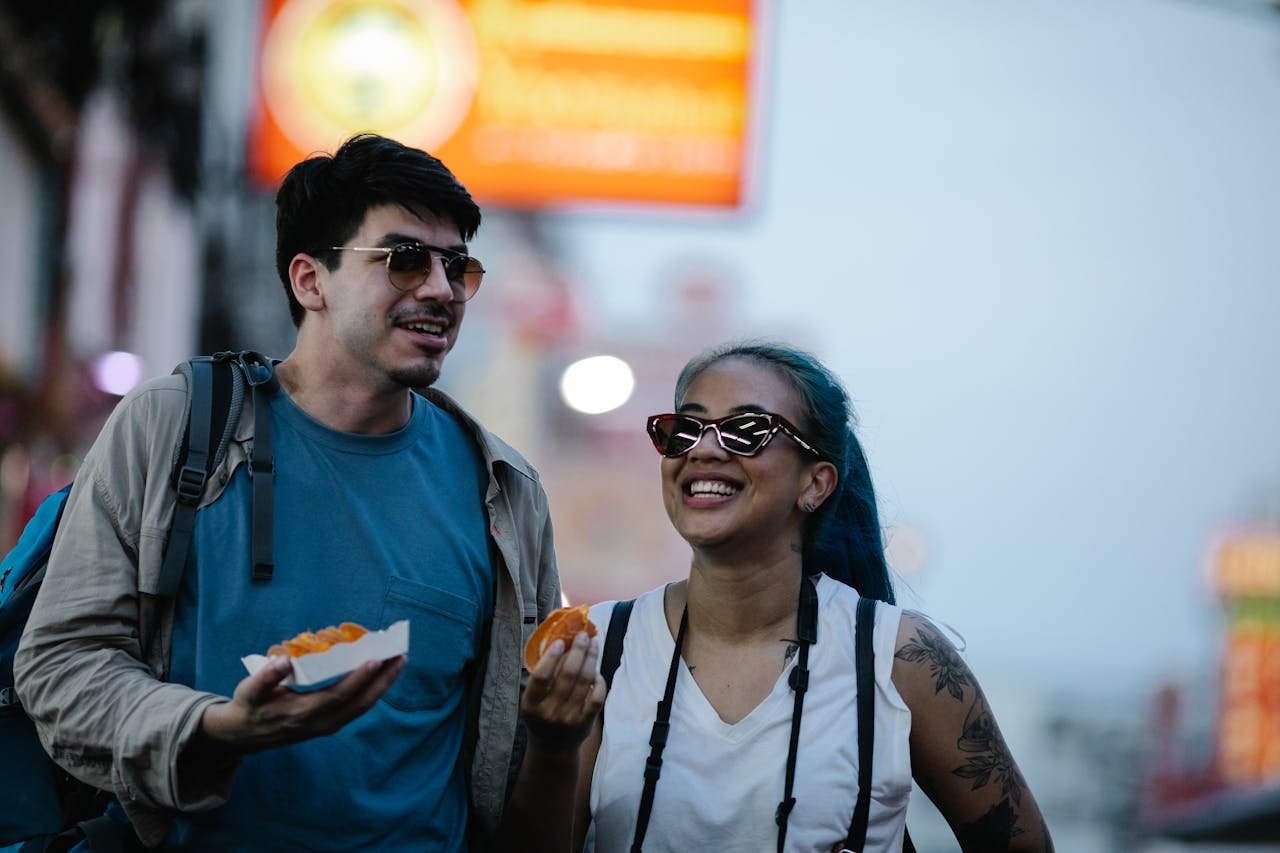
When you travel to a new city, the quickest way to understand its soul isn’t through a museum or a guidebook—it’s through its plate. Food walk tours have revolutionised the way we experience new destinations, blending physical activity with deep cultural immersion. By trading the tourist traps for the backstreets, these tours offer a sensory-rich gastronomic journey that nourishes both the body and the mind.
Whether you are a seasoned “foodie” or a health-conscious traveller, participating in food walk tours allows you to discover hidden gems while maintaining an active lifestyle. In this guide, we’ll explore why these tours are the gold standard for sustainable tourism and how they can enhance your overall wellbeing.
The Holistic Benefits of Food Walk Tours
Walking is one of the most accessible forms of exercise. When you pair it with nutritious, authentic meals, you create a balanced travel experience. According to the NHS, a brisk 10-minute walk has numerous health benefits, and most food walk tours involve several kilometres of gentle activity over three to four hours.
Physical and Mental Wellbeing
Beyond the calories burned, these tours promote social interaction, which is a key pillar of mental health. Engaging with a local guide and a small group of fellow travellers helps reduce the isolation often felt during group travel. The Mayo Clinic highlights that strong social connections can increase your sense of belonging and purpose.
Nutritional Diversity
Exposure to a wide variety of authentic flavours and ingredients can actually improve your gut health. Research published in Nature suggests that a diverse diet supports a healthier microbiome. Food walk tours often introduce you to local delicacies prepared with fresh, seasonal ingredients that you might not find in a standard hotel restaurant.
Why Food Tours Outshine Traditional Dining
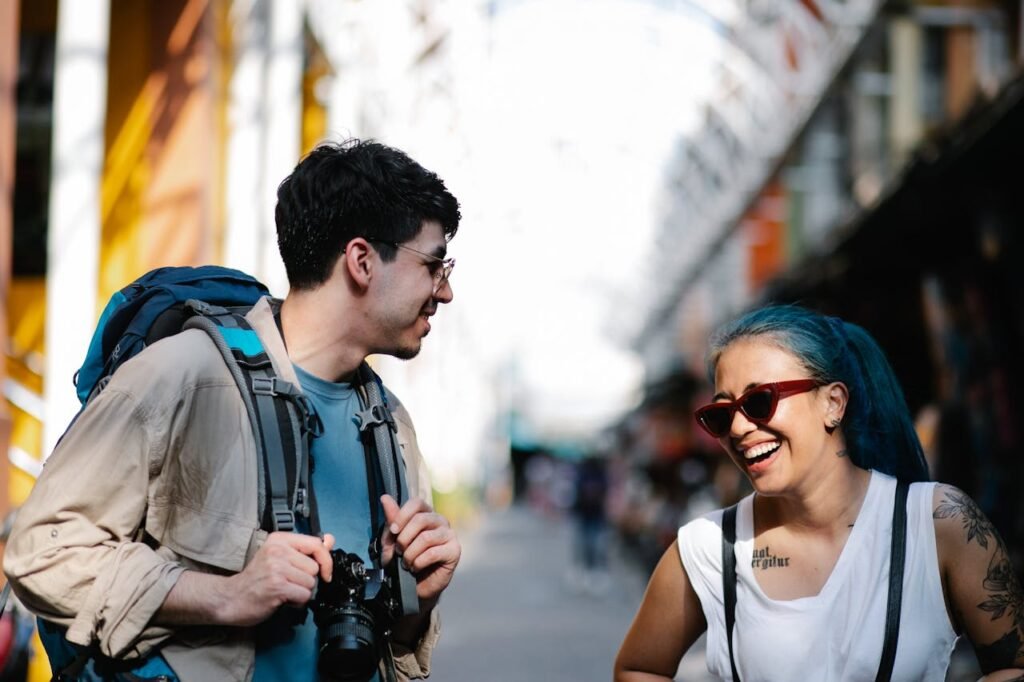
Choosing a guided experience over a single restaurant reservation offers a broader perspective on a region’s cultural heritage. You aren’t just eating; you are learning about the history of the spice trade, the evolution of street food culture, and the historical landmarks that shaped the city’s palate.
Here is how food walk tours compare to traditional dining experiences:
| Feature | Food Walk Tours | Traditional Dining |
|---|---|---|
| Variety | High: Multiple stops and 5–10 different tastings. | Low: Usually limited to one or two courses. |
| Physical Activity | Moderate: Encourages walking and movement. | Sedentary: Sitting for the duration of the meal. |
| Cultural Context | Deep: Expert guides provide historical narratives. | Minimal: Limited to the menu description. |
| Social Aspect | Interactive: Meet locals and other travellers. | Private: Usually restricted to your own party. |
Supporting the Local Economy and Environment
One of the most significant impacts of food walk tours is their contribution to the local economy. Most reputable tour operators partner with small, family-run businesses rather than international chains. This ensures that your tourism pounds directly benefit the community. The UN World Tourism Organization notes that gastronomy tourism is a vital tool for local development.
By opting for these culinary experiences, you are also participating in a more eco-friendly form of travel. Walking produces zero emissions, making it a cornerstone of responsible culinary experiences as highlighted by Lonely Planet. It allows you to slow down and practice mindful eating, appreciating each bite and the story behind it.
How to Choose the Best Food Walk Tour
With the rise in popularity of these excursions, it is essential to find a tour that aligns with your values and dietary requirements. Here is a checklist to help you select the right gastronomic journey:
- Check for Local Expertise: Look for tours led by residents who have an intimate knowledge of the area’s street food culture. Authoritative sites like Time Out often list vetted local guides.
- Dietary Inclusivity: Ensure the operator can accommodate allergies or preferences (e.g., vegan, gluten-free). A healthy diet, as defined by the World Health Organization, should be adaptable to individual needs.
- Group Size: Smaller groups (under 12 people) typically offer a more intimate and educational experience.
- Route Quality: The best tours weave through historical landmarks and residential areas, avoiding the most crowded tourist zones.
What to Pack for Your Tour
- Comfortable walking shoes to prevent foot strain.
- A reusable water bottle to stay hydrated (essential for digestion).
- An open mind and a willingness to try authentic flavours that may be outside your comfort zone.
The Connection Between Food and History
Every dish tells a story. When you take part in guided tasting tours, you begin to see the links between a city’s architecture and its pantry. For instance, the presence of certain spices in a coastal city might reveal its history as a major trading port. National Geographic frequently explores how food is the most accessible “living history” we have.
In many European cities, the cultural heritage of the Jewish or Roman quarters is best understood through the specific breads and pastries found in hidden gems tucked away in narrow alleys. This educational aspect is what makes food walk tours so much more than just a meal; they are an immersive history lesson. For more on the intersection of travel and history, BBC Travel offers excellent deep dives into global food origins.
Maximising Your Experience
To get the most out of your food walk tours, it is helpful to do a little research beforehand. Read up on the region’s culinary staples via reputable sources like Eater or The Guardian’s Travel section. Understanding the basics of the local cuisine will allow you to ask your guide more insightful questions, further enriching your social interaction and learning.
Remember that the goal is not just to eat, but to connect. As Harvard Health notes, sharing a meal is one of the oldest human traditions for building community. These tours provide the perfect platform to do just that while exploring a new environment.
Frequently Asked Questions (FAQs)
How long do food walk tours typically last?
Most food walk tours last between 2.5 and 4 hours. This usually includes 1.5 to 2 miles of walking at a leisurely pace, with frequent stops for sitting and tasting local delicacies. It is always best to check the specific itinerary with your tour provider.
Can people with dietary restrictions participate?
Yes, most professional guided tasting tours can accommodate various dietary requirements, including vegetarian, vegan, and gluten-free diets. However, it is vital to inform the tour operator at least 48 hours in advance so they can coordinate with the vendors. You can find more advice on managing diets while travelling from the British Dietetic Association.
Are food walk tours suitable for children?
Absolutely! Food walk tours are a fantastic way for families to explore a city. Many children find the variety of street food culture more engaging than a formal sit-down dinner. Many operators even offer discounted tickets for younger travellers. For more tips on family-friendly culture, check Condé Nast Traveller.
In conclusion, food walk tours offer a unique, healthy, and deeply rewarding way to travel. By combining physical activity with the discovery of authentic flavours, you gain a perspective on a city that stays with you long after the final bite. Start planning your next gastronomic journey today and taste the world, one step at a time.