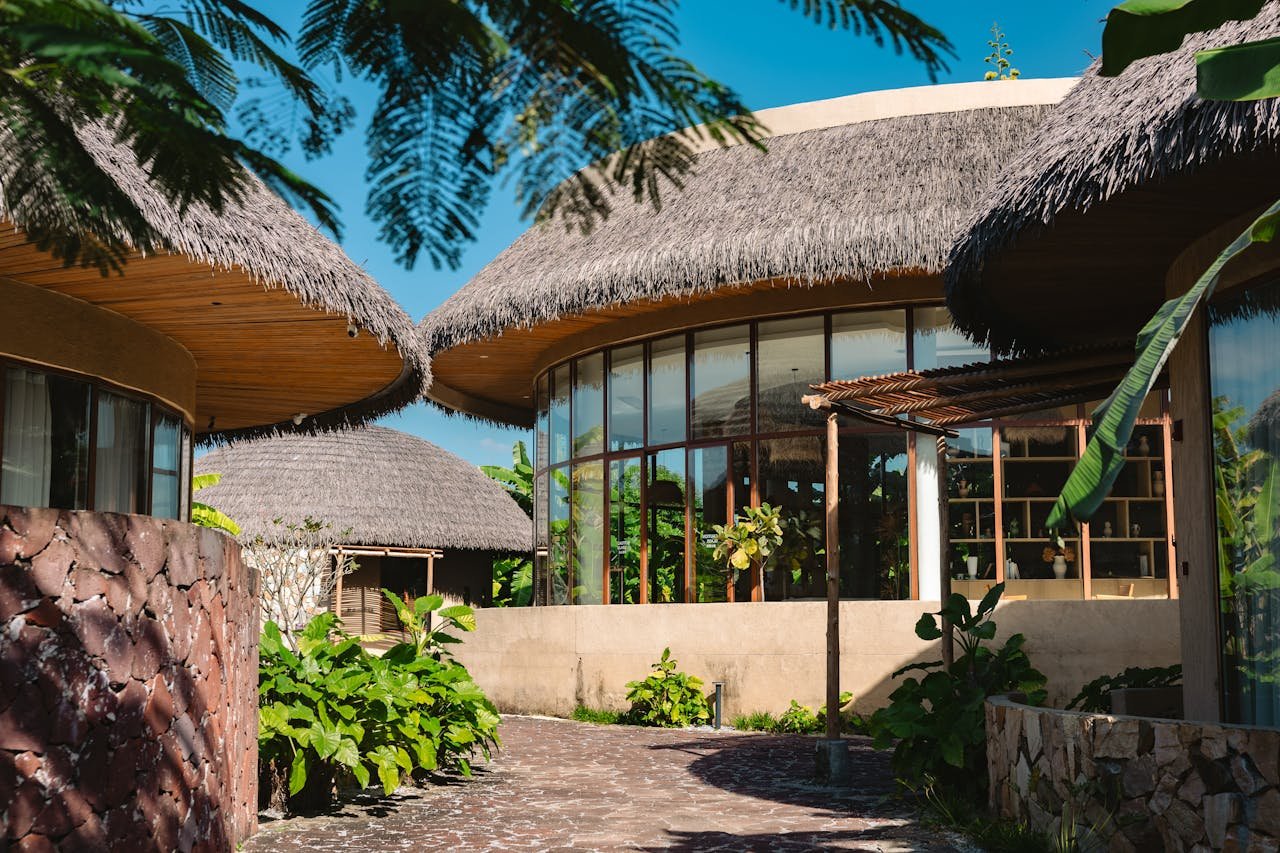
Travelling the world is a transformative experience, but as our awareness of the climate crisis grows, many of us are rethinking how we explore the planet. Enter sustainable resorts—luxury destinations that prove you don’t have to sacrifice comfort to protect the environment. From solar-powered villas in the Maldives to jungle retreats in Costa Rica, the hospitality industry is undergoing a green revolution.
In this guide, we will explore how sustainable resorts are redefining luxury through responsible tourism, the health benefits of nature-based tourism, and how you can ensure your next holiday has a positive environmental impact.
What Exactly Are Sustainable Resorts?
A sustainable resort is more than just a hotel with a “recycle your towel” sign. It is an ethical accommodation that integrates environmental, social, and economic sustainability into its core operations. According to the Global Sustainable Tourism Council (GSTC), true sustainability requires a holistic approach that includes effective planning, maximising social and economic benefits for the local community, and reducing negative impacts on heritage and the environment.
These resorts often focus on low-impact construction, using locally sourced materials like bamboo, reclaimed wood, or stone to blend seamlessly into the landscape. This prevents the destruction of local habitats and supports biodiversity conservation.
Key Pillars of Eco-Friendly Holidays
| Feature | Sustainable Practice | Environmental Benefit |
|---|---|---|
| Energy | Renewable energy sources (Solar, Wind) | Lower carbon footprint reduction |
| Water | Water conservation systems | Protects local freshwater supplies |
| Waste | Zero-waste initiatives | Prevents landfill and ocean pollution |
| Community | Local community engagement | Supports local economies and culture |
How Sustainable Resorts Protect the Planet
The primary goal of sustainable resorts is to minimise their ecological footprint. This is achieved through various innovative strategies that go far beyond basic recycling. Research published in Nature highlights the critical importance of preserving intact ecosystems to mitigate climate change, and many resorts are now acting as guardians of their local environments.
1. Carbon Footprint Reduction
Many solar-powered hotels are now completely off-grid. By utilising renewable energy sources, these properties significantly lower the emissions associated with heating, cooling, and lighting. The Carbon Trust provides frameworks for businesses to measure and reduce these emissions effectively, ensuring that your stay doesn’t contribute to global warming.
2. Water Conservation Systems
In many popular tourist destinations, water is a scarce resource. Sustainable resorts often employ advanced water conservation systems, such as rainwater harvesting and greywater recycling, to irrigate gardens and flush toilets. This reduces the strain on local infrastructure and ensures that the surrounding biodiversity conservation efforts are not compromised by water diversion.
3. Zero-Waste Initiatives
The transition to plastic-free travel is a major trend in eco-friendly holidays. Leading resorts have banned single-use plastics, opting for glass bottles, bamboo straws, and compostable packaging. Zero-waste initiatives also include onsite composting of organic kitchen waste, which is then used to nourish the resort’s organic gardens.

The Health Benefits of Nature-Based Tourism
Choosing sustainable resorts isn’t just good for the planet; it is also beneficial for your physical and mental well-being. The World Health Organization (WHO) has long emphasised that access to green spaces can improve mental health and reduce stress levels. Nature-based tourism allows guests to disconnect from the digital world and reconnect with the natural one.
Studies found in The Lancet Planetary Health suggest that exposure to biodiverse environments can boost the immune system and improve cardiovascular health. When you stay at a resort that prioritises the environment, you are often breathing cleaner air, eating organic, locally sourced food, and engaging in low-impact activities like hiking or kayaking.
Recognising Authentic Green Certification
With the rise of “greenwashing”—where companies falsely claim to be eco-friendly—it is essential to look for legitimate green certification. Reliable labels ensure that a resort meets rigorous standards for environmental impact and social responsibility. Look for logos from:
- EarthCheck: The world’s leading scientific benchmarking and certification group for travel and tourism.
- Green Key Global: An international eco-label for tourism facilities.
- Rainforest Alliance: Focused on the intersection of business, agriculture, and forests.
Practical Tips for Plastic-Free Travel
While sustainable resorts do much of the heavy lifting, travellers can also contribute to responsible tourism by making conscious choices. Reducing your personal carbon footprint reduction starts with how you pack and behave during your stay.
- Carry a reusable water bottle: Even if the resort provides water, having your own avoids the need for any plastic alternatives while exploring.
- Choose reef-safe sunscreen: Protect marine life by avoiding chemicals like oxybenzone, as recommended by the United Nations Environment Programme (UNEP).
- Support local artisans: Local community engagement is vital. Buy souvenirs directly from local craftspeople rather than mass-produced items.
- Mind your energy use: Even in solar-powered hotels, turning off the air conditioning when you leave the room helps conserve energy.
The Future of Ethical Accommodation
The trend towards sustainability is not a passing fad. Organisations like Sustainable Travel International are working with governments and businesses to ensure that tourism remains a force for good. According to National Geographic, the future of travel lies in “regenerative tourism”—not just leaving a place as you found it, but actually leaving it better.
Many sustainable resorts now offer guest programmes where you can participate in coral reef restoration, tree planting, or wildlife monitoring. This turns a simple holiday into a meaningful contribution to biodiversity conservation.
As we look forward, the data from the Environmental Protection Agency (EPA) regarding global emissions reminds us that every choice counts. By opting for low-impact construction and properties that prioritise their environmental impact, we send a clear message to the industry that the planet matters.
The Bottom Line
Choosing sustainable resorts is a powerful way to enjoy the beauty of our world while ensuring its preservation for future generations. Whether it’s through supporting zero-waste initiatives or choosing ethical accommodation that empowers local people, your travel choices have power. As reported by The Guardian and BBC Future, the shift towards conscious travel is essential for a healthier planet and a more fulfilling travel experience.
Ready to book your next trip? Look for that green certification, pack your reusable essentials, and prepare for an unforgettable, guilt-free escape.
Frequently Asked Questions (FAQs)
Are sustainable resorts more expensive than regular hotels?
While some high-end sustainable resorts carry a premium price tag due to the cost of advanced technologies like renewable energy sources, many eco-lodges are very affordable. Furthermore, you are often paying for a higher quality of service, organic food, and the knowledge that your money supports local community engagement.
How can I tell if a resort is truly eco-friendly?
Look for transparent reporting on their website regarding their environmental impact. Authentic sustainable resorts will proudly display their green certification from recognised bodies like EarthCheck or the Rainforest Alliance and provide specific details about their water conservation systems and waste management.
Do I have to give up luxury to stay in a sustainable resort?
Absolutely not. Many of the world’s most luxurious hotels are now sustainable resorts. Modern low-impact construction allows for stunning architecture that incorporates natural elements, while solar-powered hotels offer all the high-tech amenities you would expect from a five-star stay, just with a much lower carbon footprint reduction.
For more information on the impact of tourism on the natural world, consider visiting the World Wildlife Fund (WWF) website.