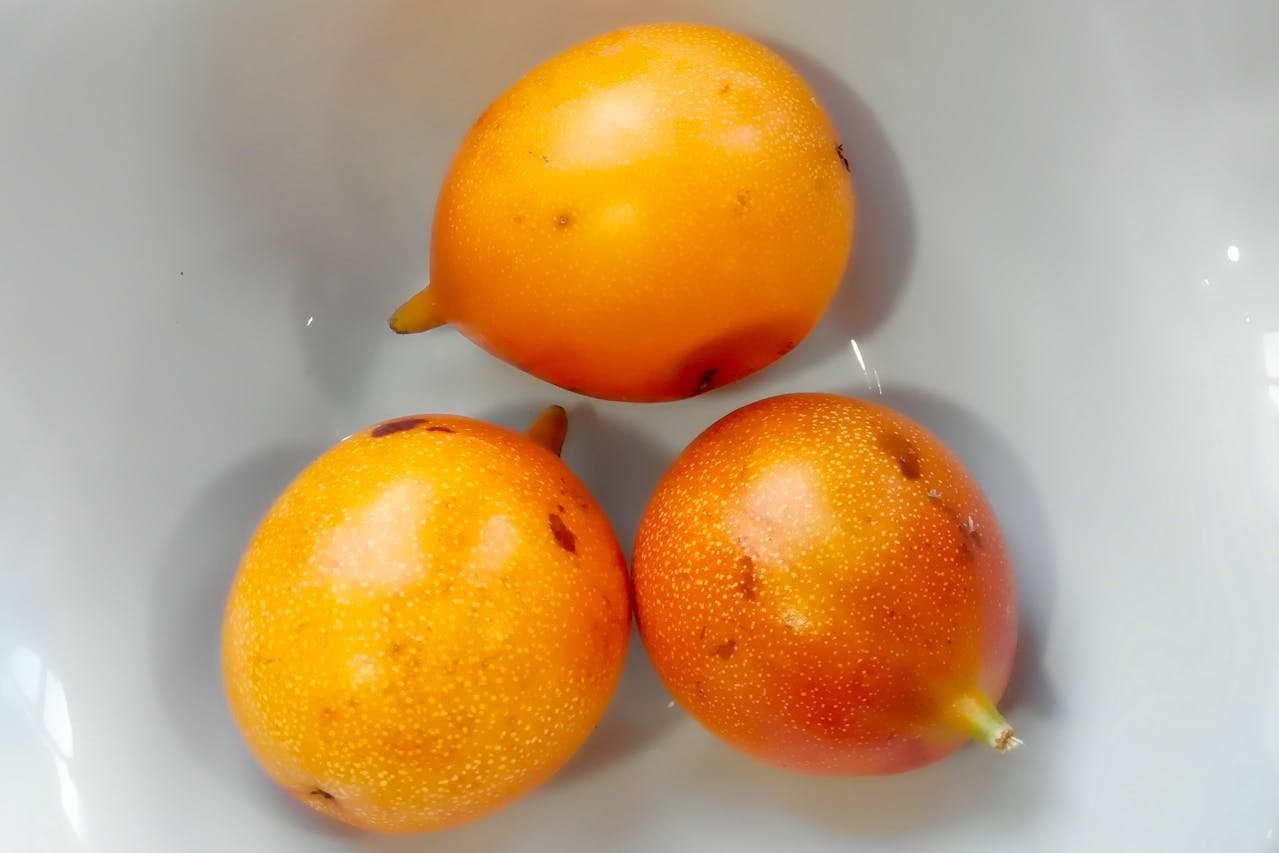
If you have recently discovered a vibrant, egg-shaped fruit at your local market and wondered what to do with it, you are not alone. The tamarillo, scientifically known as Cyphomandra betacea, is an exotic gem that bridges the gap between savoury and sweet. Often referred to as the tree tomato, this fruit offers a complex, tangy flavour that can transform your weekly meal rotation.
While the tamarillo is native to the Andes, it has gained global fame as a staple New Zealand fruit. Whether you are looking for a nutrient-dense breakfast or a sophisticated dinner party dessert, these tamarillo recipes provide the perfect balance of health benefits and culinary excitement.
Understanding the Tamarillo Profile
Before diving into the kitchen, it is helpful to understand the fruit’s unique characteristics. Tamarillos generally come in two main varieties: red tamarillos and yellow tamarillos. Red varieties tend to have a more robust, tart profile, while the yellow ones are sweeter and milder.
According to the Britannica, the skin is bitter and tough, making skin removal a vital step in almost every recipe. The succulent pulp inside, however, is packed with black edible seeds and a jelly-like texture similar to a traditional tomato.
Nutritional Highlights
The World Health Organization (WHO) emphasizes the importance of diverse fruit intake for overall health. Tamarillos are an excellent addition to a balanced diet because they are low calorie but high in density. Their high vitamin C content supports immune function, while their dietary fibre aids in digestion.
| Nutrient | Red Tamarillo (Approx. per 100g) | Yellow Tamarillo (Approx. per 100g) |
|---|---|---|
| Energy | 35-40 kcal | 40-45 kcal |
| Vitamin C content | High | Moderate-High |
| Sugar content | Lower (Tarter) | Higher (Sweeter) |
| Antioxidant properties | Very High (Anthocyanins) | High (Carotenoids) |
Essential Preparation: Skin Removal
To enjoy most tamarillo recipes, you must first peel the fruit. The easiest way to do this is by blanching. Follow these steps:
- Cut a small “X” in the tip of the fruit.
- Place them in a bowl of boiling water for 2 to 3 minutes.
- Transfer immediately to cold water.
- The skin should slip off easily, leaving the vibrant pulp intact.
Top Savoury Tamarillo Recipes
Because of its acidity, the tamarillo excels in savoury dishes, much like a citrus-infused tomato. Research published on ScienceDirect highlights how its organic acids complement fatty meats and spicy elements.
1. Spicy Tamarillo Salsa
Ditch the traditional tomatoes and use diced tamarillo instead. Mix with red onion, coriander, lime juice, and chilli. This salsa pairs beautifully with grilled fish or roast chicken. The acidity cuts through the fats, providing a refreshing palate cleanser.
2. Tamarillo and Red Onion Chutney
Slow-cook peeled tamarillos with balsamic vinegar, brown sugar, and ginger. This chutney is an excellent accompaniment to a cheese board. The NHS suggests that including various fruits in your meals is a great way to reach your “5 A Day” target.
3. Roast Meat Glaze
Puree the fruit and strain the seeds to create a smooth liquid. Combine with honey and garlic to glaze pork or lamb. The antioxidant properties of the fruit remain relatively stable even when briefly heated.
Delightful Sweet Tamarillo Recipes
If you prefer the sweeter side of life, the tamarillo’s complexity makes for sophisticated desserts that aren’t cloyingly sugary.
4. Classic Poached Tamarillos
Poached tamarillos are perhaps the most iconic way to serve this fruit. Simmer whole peeled fruits in a syrup of water, star anise, cinnamon, and a touch of honey. Serve warm with Greek yoghurt for a protein-rich, low-fat dessert. As noted by Mayo Clinic, choosing fruit-based desserts is a smart way to increase your dietary fibre intake.
5. Tamarillo and Apple Crumble
The tartness of the red tamarillo balances the sweetness of seasonal apples. Simply replace half of your usual apple measurement with sliced tamarillo. The colour of the fruit bleeds into the apples, creating a visually stunning pink-hued filling.
6. Tropical Tamarillo Smoothie
For a quick nutrient boost, blend yellow tamarillo pulp with banana, spinach, and coconut water. This is an excellent way to benefit from the vitamin C content and potassium, which MedlinePlus notes is essential for heart health.
The Health Benefits of Tamarillos
Beyond their culinary versatility, incorporating these fruits into your diet offers several evidence-based health advantages. According to a study on PubMed, tamarillos contain high concentrations of polyphenols and anthocyanins.
- Eye Health: They are a good source of Vitamin A, which the American Heart Association recognizes as vital for maintaining healthy vision and immune function.
- Weight Management: Being low calorie and high in water content, they can help you feel full without excessive energy intake.
- Blood Sugar Regulation: The sugar content in tamarillos is relatively low compared to tropical fruits like mangoes, making them a potentially safer choice for those monitoring their glucose levels. The Diabetes UK guidelines encourage the consumption of whole fruits as part of a healthy lifestyle.
- Skin Health: The high vitamin C content is crucial for collagen production. Learn more about the benefits of Vitamin C at Healthline.
Sourcing and Growing Your Own
If you find it difficult to source fresh fruit, you might consider growing your own. Tamarillo trees are fast-growing and can produce fruit within 18 months. They prefer frost-free environments and well-drained soil. For gardening enthusiasts, Gardeners’ World offers excellent advice on cultivating this plant in temperate climates.
When buying from a shop, look for fruit that is heavy for its size and yields slightly to gentle pressure. Ensure the stem is still attached to maintain freshness. According to USDA FoodData Central, the nutritional integrity of the fruit is best maintained when stored in a cool, dark place or the refrigerator for up to two weeks.
Frequently Asked Questions (FAQs)
Can you eat the seeds of a tamarillo?
Yes, the seeds of the tamarillo are entirely edible. They are similar to tomato seeds but slightly larger. They add a pleasant texture to tamarillo recipes like jams and salsas. However, if you prefer a smoother consistency for sauces or coulis, you can easily strain them out after blending the pulp.
How do you reduce the tartness in tamarillo recipes?
If you find red tamarillos too tart, you can balance the flavour by adding a natural sweetener like honey or maple syrup. Alternatively, pairing the fruit with creamy elements like mascarpone, Greek yoghurt, or avocado can help mellow the sharp tangy flavour. Many people also find that lightly cooking the fruit reduces its acidity.
Are tamarillos good for weight loss?
Yes, they are an excellent addition to a weight-loss programme. They are low calorie (containing only about 40 calories per fruit) and provide a high amount of dietary fibre. As noted by the British Nutrition Foundation, high-fibre foods help increase satiety, meaning you feel fuller for longer, which can prevent overeating.
Can I freeze tamarillos for later use?
Absolutely. To freeze tamarillos, it is best to peel them first and either freeze them whole or as a pureed pulp. Place them in an airtight container or a freezer bag. They will keep well for up to six months, allowing you to enjoy tamarillo recipes even when the fruit is out of season. Many Australian health resources, such as EatForHealth, suggest that frozen fruits retain most of their nutritional value.