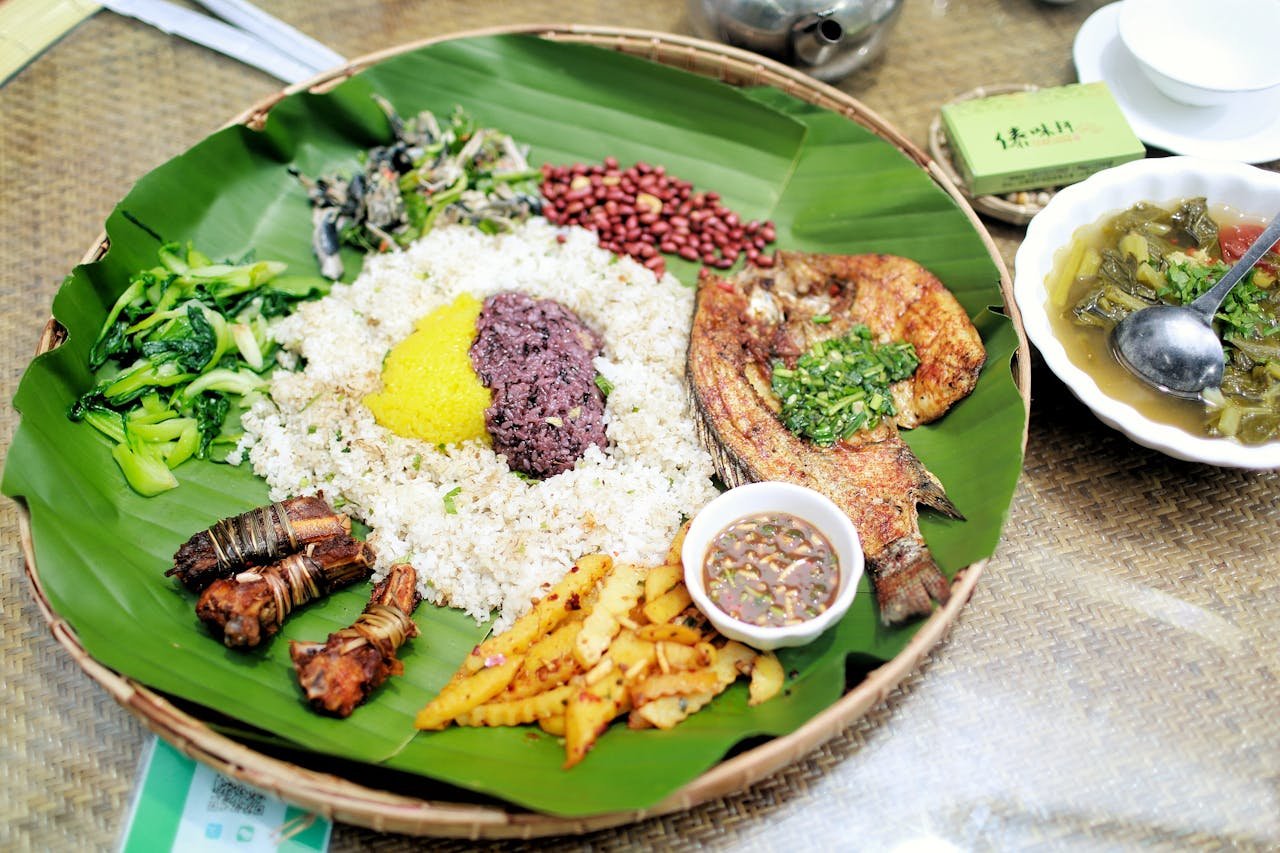
For many of us, the best part of travelling isn’t just seeing the sights—it is tasting them. In recent years, the travel industry has seen a significant shift towards culinary tour packages, as travellers seek more meaningful, “flavour-forward” ways to explore the globe. Rather than just visiting a landmark, people want to understand the history of a city through its spices, its traditions, and its communal tables.
Whether you are a seasoned home cook or someone who simply enjoys a well-crafted meal, these curated experiences offer a deep dive into the heart of a culture. According to the World Food Travel Association, food tourism is one of the fastest-growing sectors in the industry, proving that our appetites are driving our adventures.
What Exactly Are Culinary Tour Packages?
At their core, culinary tour packages are all-inclusive or semi-inclusive travel itineraries designed specifically around food and drink. These aren’t just standard holidays with a few nice dinners thrown in; they are carefully crafted foodie travel experiences that connect you with the people who grow, harvest, and prepare the local cuisine.
From visiting local food markets in Marrakech to hunting for truffles in the hills of Piedmont, these packages take the guesswork out of finding authentic meals. They often provide access to expert-led food tours where local guides share secrets that you won’t find in any mainstream guidebook.
The Rise of Gastronomy Tourism
The concept of gastronomy tourism has been recognised by organisations like UNESCO as a vital way to preserve “intangible cultural heritage.” By booking a food-focused trip, you aren’t just eating; you are participating in the preservation of authentic regional recipes and supporting artisanal food producers who keep ancient traditions alive.
Why Choose a Curated Food Holiday?
Planning a trip around meals can be overwhelming. Which Michelin-starred dining room is worth the splurge? Which street food walks are safe and authentic? Culinary tour packages solve these dilemmas by offering a structured yet flexible approach to gourmet holidays.
- Expert Curation: You benefit from the knowledge of local fixers and chefs.
- Exclusive Access: Many tours offer “behind the scenes” entry to vineyards, private kitchens, and organic farms.
- Social Connection: Sharing a meal is the ultimate icebreaker, making these tours perfect for solo travellers or groups.
- Stress-Free Logistics: Transport, bookings, and dietary requirements are usually handled for you.
Comparing Popular Culinary Holiday Destinations
Choosing the right destination depends on your palate. Here is a quick comparison of what you can expect from three world-class culinary holiday destinations:
| Destination | Primary Focus | Key Experience | Best For |
|---|---|---|---|
| Tuscany, Italy | Slow Food & Wine | Wine tasting itineraries | Classic luxury and tradition |
| Oaxaca, Mexico | Ancestral Techniques | Cooking class retreats | Bold flavours and history |
| Tokyo, Japan | Precision & Seafood | Michelin-starred dining | Technique and urban exploration |
Top Experiences Included in Culinary Packages
When browsing for the perfect itinerary, look for these specific elements to ensure you get the most out of your cultural immersion through food:
1. Cooking Class Retreats
There is a unique satisfaction in learning to make handmade pasta or a complex curry from scratch. Many packages include cooking class retreats hosted by local grandmothers or professional chefs. These sessions allow you to bring a piece of your holiday home with you. For those looking to maintain a healthy balance, the NHS provides excellent guidelines on how to adapt international recipes into a balanced diet.
2. Farm-to-Table Tours
Understanding the provenance of your food is a key pillar of sustainable food travel. A farm-to-table tour might involve picking olives in Greece or visiting a dairy farm in Switzerland to see how Gruyère is made. This connection to the land is a core tenet of the Slow Food International movement.
3. Street Food Walks
Some of the world’s best flavours are found on street corners, not in white-linen restaurants. Professional street food walks ensure you navigate the vibrant stalls of Bangkok or Mexico City safely, focusing on high-turnover vendors that offer the freshest ingredients. Sites like Eater often highlight how these humble stalls define a city’s identity.
Health and Wellbeing Benefits of Food Travel
While it might seem like a culinary tour package is just about indulgence, there are surprising health benefits to this style of travel. Engaging with new cultures and stepping outside your comfort zone can significantly boost mental well-being. According to National Geographic Travel, the social aspect of communal dining can reduce stress and increase feelings of belonging.
Furthermore, many gourmet holidays now focus on the Mediterranean or Japanese diets, both of which are lauded by the Food and Agriculture Organization (FAO) for their longevity and health benefits. You can find more about the nutritional value of diverse diets via BBC Good Food.
How to Choose the Right Package for You
Before you book, consider these factors to ensure your foodie travel experiences meet your expectations:
- Activity Level: Some tours involve extensive walking through markets, while others are more sedentary.
- Group Size: Smaller groups usually offer more intimacy and better access to private kitchens.
- Inclusions: Check if alcoholic beverages and tips are included in the price.
- Reviews: Look for honest feedback on platforms like Tripadvisor or Lonely Planet.
For more inspiration on high-end options, Condé Nast Traveler and Travel + Leisure frequently list the world’s most luxurious culinary tour packages. If you prefer off-the-beaten-track advice, Afar Magazine offers great insights into sustainable food travel.
The Future of Food Travel
As we become more conscious of our environmental footprint, the demand for sustainable food travel is skyrocketing. Modern culinary tour packages are increasingly focusing on plant-based options, zero-waste kitchens, and supporting indigenous communities. This evolution ensures that gastronomy tourism remains a force for good in the global travel landscape, as noted by The Guardian’s travel section.
Whether you are sipping a rare vintage during wine tasting itineraries or learning the art of the perfect spice blend, these tours offer a feast for the senses that lingers long after the final course is served. To keep up with the latest trends in the culinary world, including the latest Michelin-starred dining updates, refer to the Michelin Guide.
Frequently Asked Questions (FAQs)
What is usually included in culinary tour packages?
Most packages include accommodation, several guided meals, expert-led food tours, cooking demonstrations, and transport between culinary sites. Some may also include flights and comprehensive travel insurance, but it is essential to check the fine print of each specific provider.
Can people with dietary restrictions join these tours?
Absolutely. Most reputable organisers of gourmet holidays are very accustomed to catering for vegetarians, vegans, and those with gluten or nut allergies. It is always best to notify the tour operator at the time of booking so they can coordinate with local artisanal food producers and restaurants.
Are culinary tours suitable for solo travellers?
Yes, they are exceptionally well-suited for solo travellers. The communal nature of dining and cooking class retreats makes it very easy to meet like-minded people. Many operators offer “solo-friendly” culinary tour packages that do not charge a heavy single supplement.