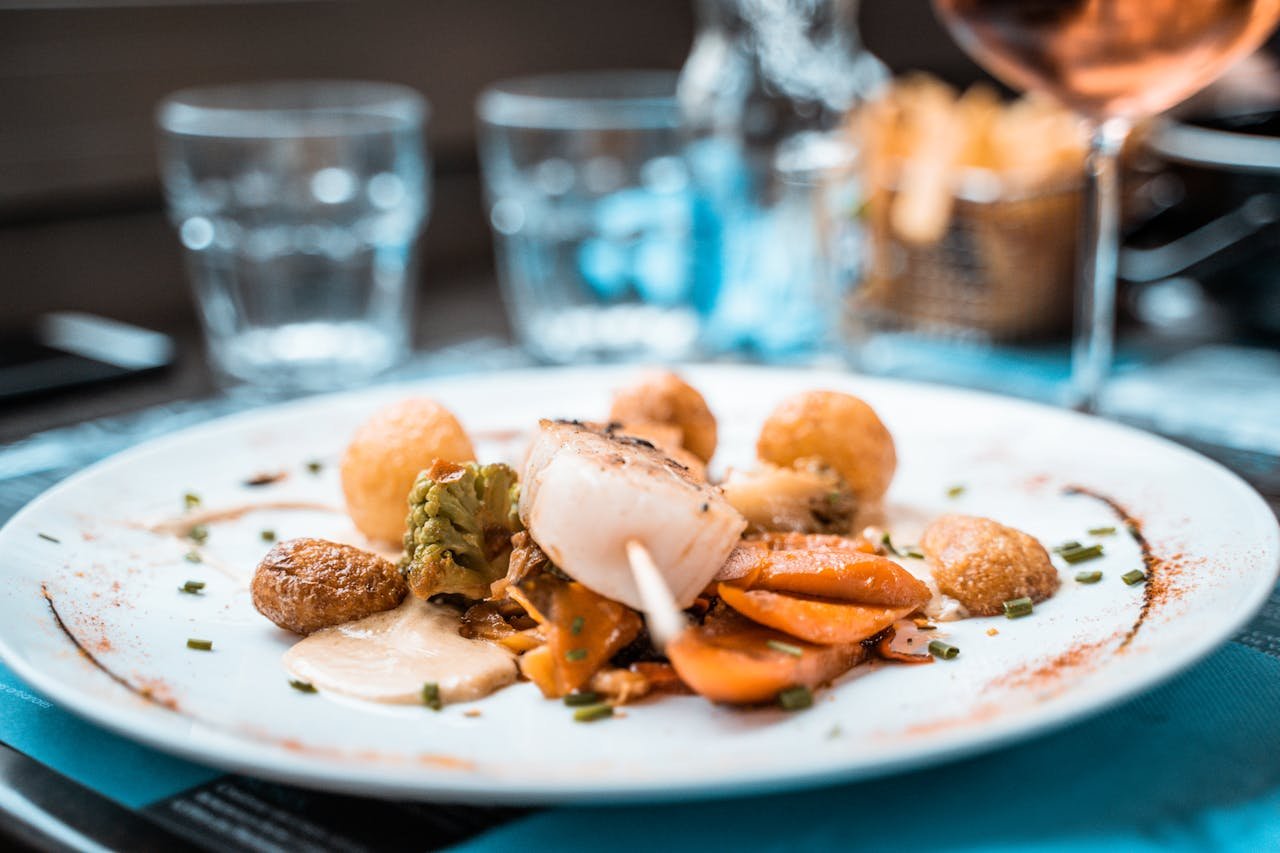
There is no better way to understand the heart of a destination than through its stomach. A local cuisine trip is more than just a holiday; it is a profound journey of cultural immersion that connects you with the history, people, and geography of a region. Beyond the sensory delight of new flavours, food-focused travel offers a unique opportunity to optimise your health by engaging with whole foods and seasonal ingredients.
In this guide, we explore how to navigate a local cuisine trip with a focus on wellness, safety, and authentic dining experiences. From the slow food movement in Italy to the vibrant street food markets of Southeast Asia, we will help you savour every bite while maintaining your vitality.
Why Food Tourism is Good for the Soul and Body
When we move away from processed, international chains and toward regional delicacies, we often consume a more diverse range of nutrients. Many traditional diets are naturally balanced, focusing on sustainably sourced ingredients that haven’t travelled thousands of miles to reach your plate. Research published in Nature suggests that diverse, traditional diets can significantly improve gut microbiome health.
By embarking on a gastronomic adventure, you are often participating in the slow food movement. This philosophy, championed by Slow Food International, encourages the preservation of traditional cooking methods and local biodiversity. Eating slowly and mindfully not only enhances the flavour but also aids digestive health.
The Health Benefits of Traditional Diets
- Reduced Inflammation: Many probiotic local dishes, like kimchi or kefir, support immune function.
- Heart Health: A Mediterranean diet travel experience exposes you to healthy fats and fresh produce, which the British Heart Foundation notes are essential for cardiovascular wellness.
- Mental Wellbeing: Trying new things and socialising over meals releases dopamine and strengthens social bonds.
Planning Your Culinary Exploration
A successful local cuisine trip requires more than just a hungry stomach; it requires research. Start by identifying the seasonal ingredients of your chosen destination. Eating what is in season ensures maximum flavour and nutrient density. You can find excellent travel advisories and regional health information via the CDC to ensure you stay healthy while travelling.
Finding Authentic Spots
To avoid “tourist traps,” look for places where locals congregate. Local food markets are often the epicentre of a city’s food culture. Here, you can witness farm-to-fork dining in its rawest form. Don’t be afraid to ask residents for recommendations; most people take great pride in their regional delicacies and are happy to share their favourite haunts.
Balancing Street Food and Fine Dining
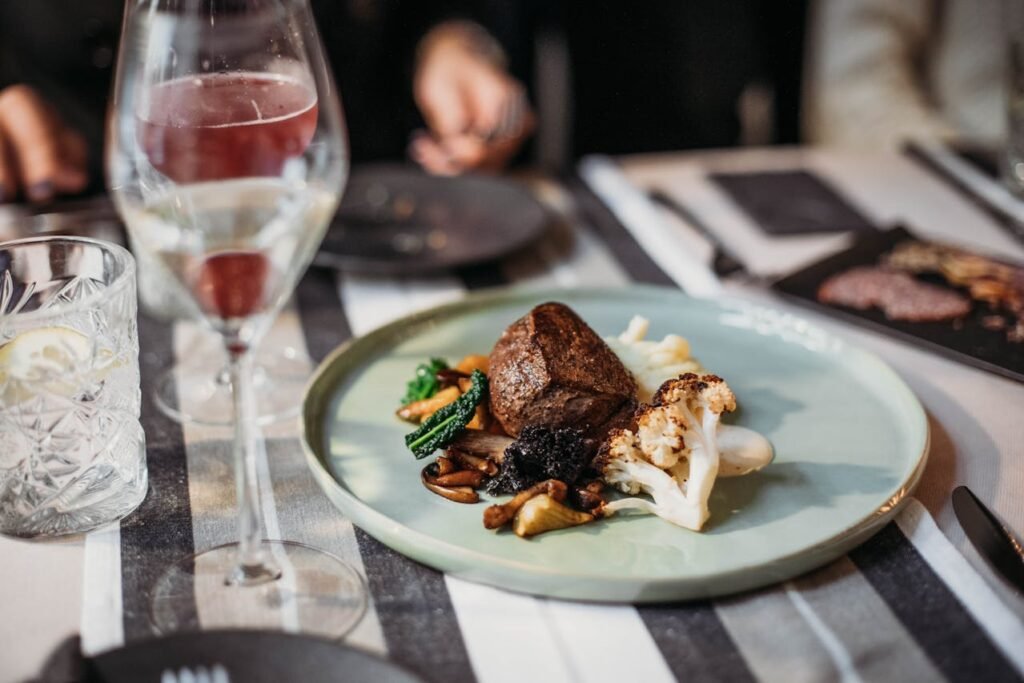
Every local cuisine trip should include a mix of dining styles. While street food safety is a common concern, these stalls often provide the most authentic dining experiences. However, it is vital to follow hygiene guidelines provided by the World Health Organization to prevent food-borne illnesses.
The following table compares the different ways you can experience local flavours during your journey:
| Dining Type | Pros | Cons | Best For |
|---|---|---|---|
| Street Food Markets | Affordable, high turnover (fresh), culturally rich. | Variable hygiene, limited seating. | Quick lunches and culinary exploration. |
| Cooking Classes | Hands-on learning, traditional recipes. | Can be expensive, time-consuming. | Bringing the trip home with you. |
| Farm-to-Table | Ultra-fresh, supports sustainable food tourism. | Often requires transport to rural areas. | Health-conscious gourmets. |
Managing Health and Dietary Requirements
If you have food allergies while travelling, a local cuisine trip can feel daunting. Preparation is key. According to the Mayo Clinic, carrying “allergy cards” in the local language can prevent dangerous misunderstandings. Always communicate your needs clearly to chefs and vendors.
Staying Hydrated and Safe
Proper hydration is essential when trying new, potentially spicy or rich foods. Stick to bottled or filtered water if you are in a region with questionable tap water quality. The Food Standards Agency provides excellent resources on maintaining hygiene standards that can be applied globally.
Integrating Wellness into Your Food Trip
A gastronomic adventure doesn’t have to mean overindulgence. You can balance your meals by incorporating physical activity. Walking tours of local food markets or hiking to a remote farm-to-fork dining location are great ways to keep your metabolism active. UNESCO even recognises certain diets, like the Mediterranean diet, as an intangible cultural heritage, emphasizing the lifestyle and community aspect of eating rather than just the calories.
To keep your energy levels stable, consider these tips:
- Eat breakfast like a local: Often, local breakfasts are more balanced than the sugary cereals found in hotels.
- Prioritise plants: Seek out plant-based global diets that utilise indigenous legumes and grains, which Harvard Health identifies as key for reducing inflammation.
- Sample, don’t gorge: Use small plates to try a variety of regional delicacies without feeling overly full.
The Ethics of Food Travel
As we travel, we must consider our impact. Sustainable food tourism involves choosing vendors who support local farmers and avoid excessive plastic waste. Supporting the slow food movement helps maintain the traditional cooking methods that make a local cuisine trip so special. Insights from National Geographic highlight how our food choices can directly protect or harm local ecosystems.
Furthermore, understanding the global impact of our diets is a major focus in modern medicine. The Lancet discusses how sustainable eating is vital for both personal and planetary health. By choosing local, you are often choosing the more ethical path.
Frequently Asked Questions (FAQs)
How do I avoid getting sick from street food?
To minimise the risk of food-borne illnesses, look for stalls with high turnover and visible traditional cooking methods. Ensure the food is cooked thoroughly and served piping hot. For more evidence-based safety tips, refer to the Cochrane Library for reviews on travel health interventions.
What are the best ways to find healthy options on a local cuisine trip?
Focus on dishes that feature seasonal ingredients and grilled or steamed proteins. Avoid heavy sauces if you are sensitive to fats. Probiotic local dishes, such as fermented vegetables or yoghurts, are excellent for maintaining gut health. You can also research regional delicacies that are naturally lean via Science Direct.
How can I handle food allergies in a foreign country?
Always carry a translated list of your allergies and the severity of your reactions. Research the most common seasonal ingredients of the region to see if your allergens are staples. It is also helpful to stick to authentic dining experiences where you can talk directly to the person preparing your food.
Embracing a local cuisine trip is one of the most rewarding ways to see the world. By prioritising safety, sustainability, and cultural immersion, you can ensure your next gastronomic adventure is as healthy as it is delicious.