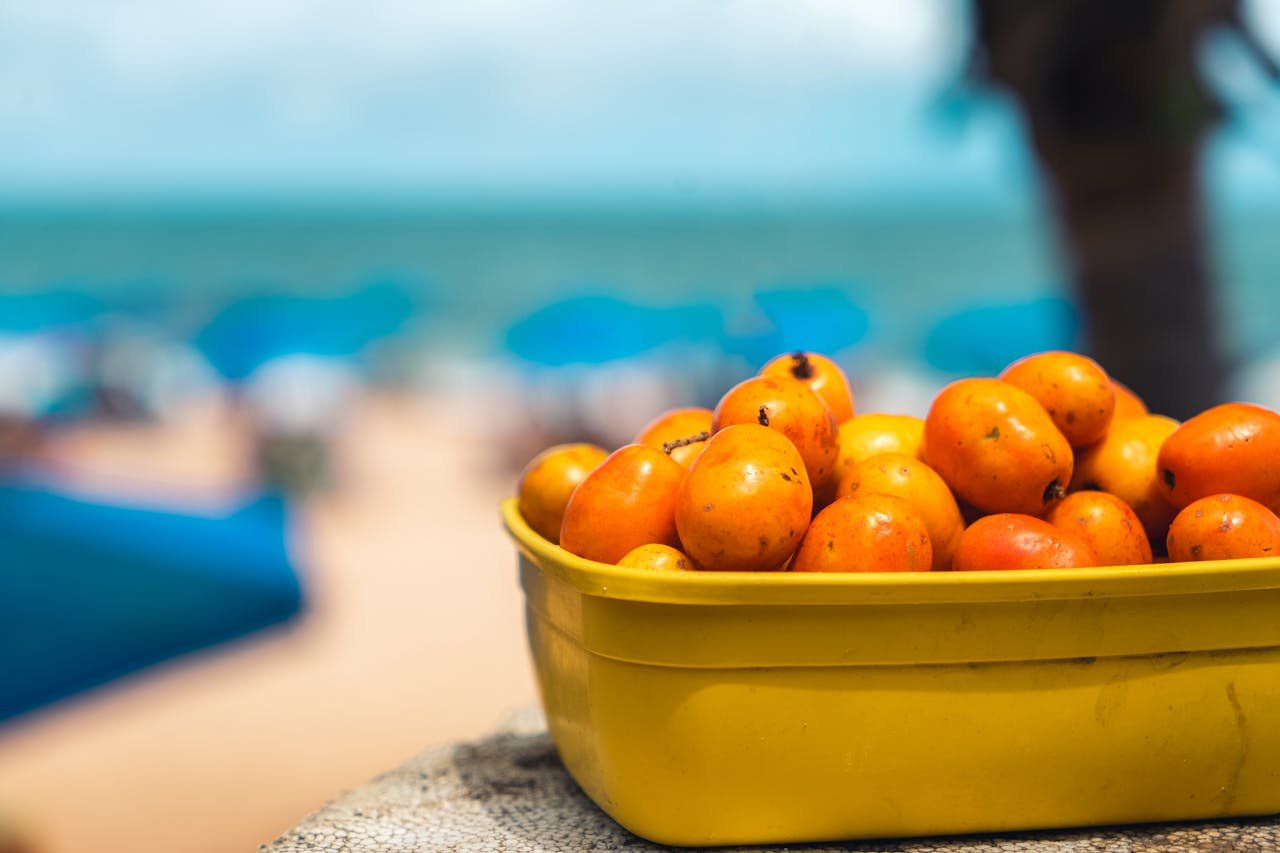
Often overlooked in the produce aisle, the tamarillo is an egg-shaped fruit that packs a formidable nutritional punch. Known scientifically as Solanum betaceum and colloquially as the tree tomato, this vibrant fruit originates from the Andes but is now celebrated globally for its unique sweet-tangy flavour and exceptional health profile. Whether you are looking to boost your immunity or manage your weight, understanding the various tamarillo benefits can help you optimise your daily diet.
In this guide, we will explore the science-backed reasons to include this fruit in your routine, its nutritional makeup, and how it compares to other common fruits.
What is a Tamarillo?
Despite its nickname, the tamarillo is not a tomato, though it belongs to the same nightshade family. It features a smooth, thin skin that ranges in colour from deep purple and red to amber and yellow. The flesh is succulent and contains small, edible seeds. According to experts at Kew Gardens, these fruits are rich in phytochemicals that provide significant health advantages.
The Nutritional Profile of Tamarillo
The tamarillo is a low-calorie fruit that is incredibly nutrient-dense. It is particularly revered for its high concentration of vitamins and minerals. Below is a breakdown of the key nutrients found in approximately 100g of fresh tamarillo, based on data from the USDA.
| Nutrient | Amount per 100g | Key Health Role |
|---|---|---|
| Vitamin C | Approx. 30mg | Immune support and skin health |
| Vitamin A (Beta-carotene) | Approx. 500 IU | Vision and cell growth |
| Potassium | Approx. 320mg | Blood pressure regulation |
| Dietary Fibre | 3.3g | Digestive health |
| Calories | Approx. 40 kcal | Weight management |
Top 5 Tamarillo Benefits for Your Health
1. Robust Immune Support
One of the primary tamarillo benefits is its ability to bolster the body’s natural defences. The fruit is loaded with Vitamin C, a powerful antioxidant that stimulates the production of white blood cells. Research published on PubMed highlights that adequate Vitamin C intake is essential for preventing respiratory infections and reducing the duration of common colds.
2. Heart Health and Blood Pressure Regulation
Maintaining heart health is crucial as we age. Tamarillos are an excellent source of potassium, a mineral that helps balance the effects of sodium in the body. The British Heart Foundation notes that a diet rich in potassium can help manage high blood pressure, reducing the risk of cardiovascular events. Additionally, the presence of anthocyanins—the pigments that give red tamarillos their hue—helps protect the heart from oxidative stress, according to studies in Nature.
3. Aids in Digestion and Weight Management
If you are focusing on weight management, the tamarillo is an ideal snack. It is high in dietary fibre, which promotes a feeling of fullness and prevents overeating. Fibre also acts as a prebiotic, nourishing beneficial gut bacteria and ensuring smooth bowel movements. The NHS recommends increasing fibre intake to improve long-term digestive wellness.
4. Enhances Vision and Eye Health
Tamarillos are rich in beta-carotene, which the body converts into Vitamin A. This nutrient is vital for maintaining healthy vision, particularly in low-light conditions. As explained by Medical News Today, Vitamin A protects the surface of the eye (cornea) and may reduce the risk of age-related macular degeneration.
5. Superior Antioxidant Activity
Beyond standard vitamins, tamarillos contain chlorogenic acid and other phenolic compounds. These antioxidants neutralise harmful free radicals, which can damage cells and lead to chronic diseases. A study found in the Nutrients Journal suggests that the specific combination of phytochemicals in tamarillos may have anti-inflammatory properties that rival more common “superfoods.”
How to Incorporate Tamarillo into Your Diet
Maximising tamarillo benefits is easy once you know how to prepare them. The skin can be somewhat bitter, so many people prefer to scoop out the flesh. Here are a few simple ways to enjoy them:
- Raw: Cut the fruit in half, sprinkle a tiny bit of stevia or honey if desired, and scoop the pulp out with a spoon.
- Smoothies: Blend the pulp with Greek yoghurt and a handful of spinach for a nutrient-dense breakfast.
- Savoury Sauces: Use the tangy pulp to create a salsa for grilled fish or chicken, similar to how you would use a tomato.
- Salads: Add sliced tamarillo to a rocket and feta salad for a burst of colour and acidity.
Safety and Considerations
While the tamarillo benefits are extensive, there are a few things to keep in mind:
- Nightshade Sensitivity: Like tomatoes and aubergines, some individuals with autoimmune conditions find that nightshades exacerbate inflammation.
- Glycaemic Index: The tamarillo has a low glycaemic index, making it generally safe for those with diabetes when consumed in moderation. Always consult Diabetes UK guidelines for personalised advice.
- Iron Absorption: The high Vitamin C content in tamarillos can significantly improve iron absorption from plant-based sources. This makes it a great companion for spinach or lentil dishes, as noted by Healthline.
Conclusion
The tamarillo is more than just a decorative exotic fruit. From its impressive immune support capabilities to its role in maintaining heart health, the tamarillo benefits are backed by a diverse range of nutrients. Whether you eat it for its antioxidants or its high fibre content, this fruit is a worthy addition to any healthy diet as recommended by the WHO.
For more detailed information on specific phytochemicals, you can explore the extensive database at ScienceDirect or read clinical reviews on Cochrane regarding potassium and blood pressure. To start your journey with this fruit, check the “exotic” section of your local supermarket or visit a speciality grocer.
For further reading on fruit benefits, visit Mayo Clinic or WebMD for more general wellness tips.
Frequently Asked Questions (FAQs)
Can you eat the skin of a tamarillo?
While the skin is technically edible, it is often described as tough and bitter. Most people prefer to peel the fruit or scoop the flesh out to enjoy the tamarillo benefits without the unpleasant texture of the rind.
Is tamarillo good for weight loss?
Yes, the tamarillo is a low-calorie fruit high in dietary fibre. Fibre helps regulate appetite by keeping you full for longer, making it an excellent addition to a weight management programme.
How do I know when a tamarillo is ripe?
A ripe tamarillo will give slightly to gentle pressure, much like a ripe plum or peach. It should have a vibrant, consistent colour and a slightly fragrant aroma near the stem.