


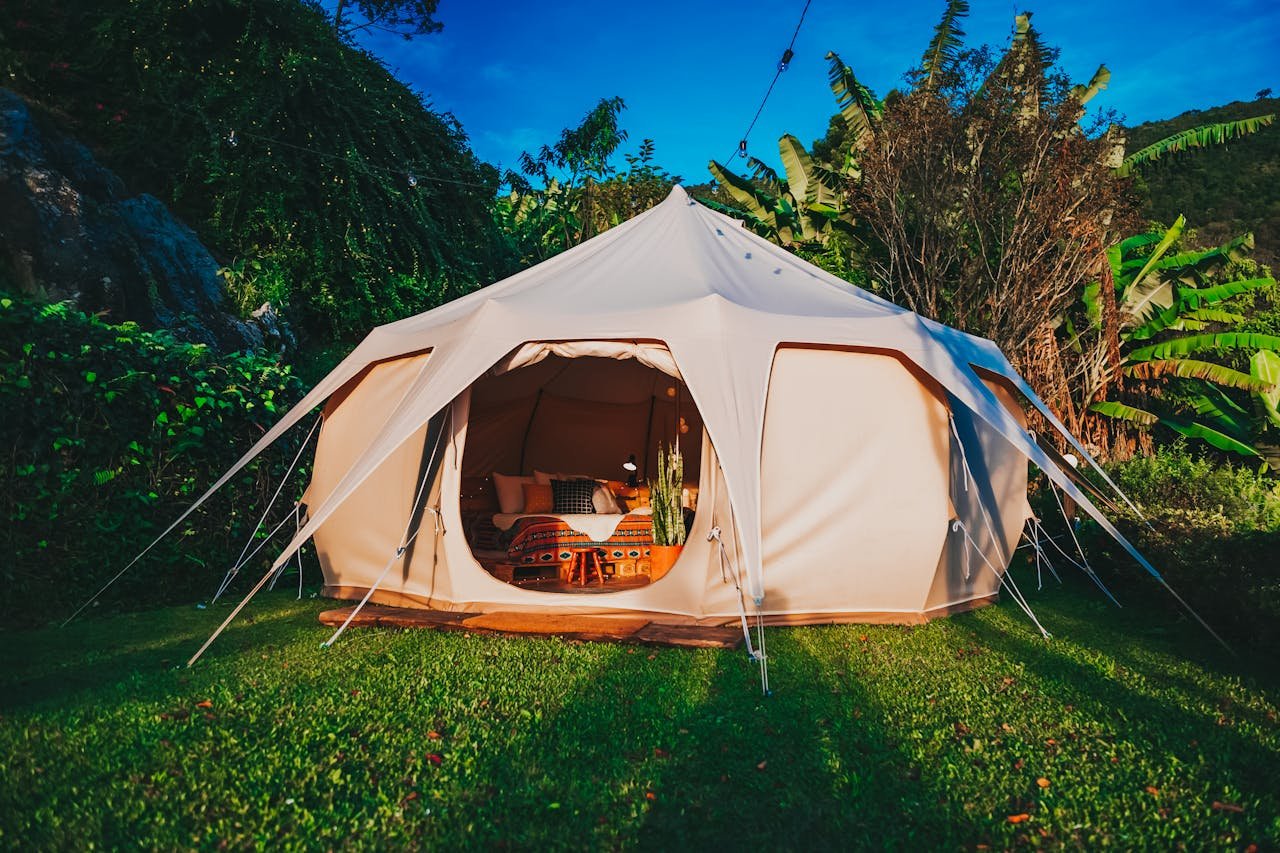
When the modern world feels overwhelming, the call of the wild becomes a necessary antidote. For the discerning traveller, Delta luxury camps offer more than just a holiday; they provide a profound reconnection with the natural world. Nestled in the heart of the world’s most vibrant wetlands, particularly within the Okavango Delta UNESCO World Heritage site, these camps blend high-end comfort with raw, untamed beauty.
Research suggests that spending time in remote, natural environments can significantly lower cortisol levels and improve mental clarity. According to a study published in Scientific Reports, spending at least 120 minutes a week in nature is associated with good health and well-being. Delta luxury camps facilitate this wilderness immersion while ensuring your physical comfort remains a priority.
The Evolution of Sustainable Tourism
Today’s luxury is no longer defined solely by gold taps and silk sheets; it is defined by exclusivity, space, and a commitment to sustainable tourism. Modern delta camps are architectural marvels designed to leave a minimal footprint. Many utilise solar power, sophisticated water filtration systems, and biodegradable materials to protect the delicate biodiversity of the region.
Choosing an eco-friendly lodging option allows you to enjoy the landscape without contributing to its degradation. These camps often partner with organisations like the African Wildlife Foundation to ensure that your visit directly funds wildlife conservation initiatives.
What to Expect from Five-Star Delta Hospitality
When you arrive at one of these remote destinations, usually via a light aircraft, you enter a world where every detail is curated. Five-star hospitality in the delta means a dedicated team that anticipates your needs before you even realise them. Key features often include:
- Private plunge pools overlooking floodplains where elephants frequently graze.
- Artisanal dining featuring locally sourced ingredients and international culinary techniques.
- Expertly led bespoke excursions tailored to your specific interests, whether that be photography or birdwatching.
- Spacious canvas suites that allow the sounds of the African night to filter through, offering a unique sensory experience.
Health and Wellness in the Heart of the Delta
The benefits of a delta retreat extend beyond the visual. The air is remarkably clean, free from urban pollutants that often irritate the respiratory system. Engaging in ethical safaris also promotes physical activity, whether through guided bush walks or paddling a traditional mokoro (dugout canoe).
However, travelling to remote regions requires preparation. The NHS recommends checking all necessary vaccinations before heading to sub-Saharan Africa. Furthermore, staying hydrated is crucial in warmer climates. High-end camps provide purified water to help travellers maintain their fluid balance and avoid heat-related issues, as detailed by the Mayo Clinic.
Physical safety is also paramount. Professional guides are trained in wilderness first aid and animal behaviour, ensuring that your encounters with nocturnal species or large mammals are both thrilling and safe. For more on the psychological benefits of such experiences, Harvard Health offers excellent insights into how “green exercise” boosts mood.
Comparing Delta Luxury Camp Experiences
Not all delta camps are the same. Some focus on permanent water channels, while others are situated in seasonal floodplains. Understanding the seasonal floods is vital for planning your trip, as the landscape transforms dramatically between the dry and wet seasons.
| Camp Type | Primary Activities | Best For… | Wildlife Focus |
|---|---|---|---|
| Water-Based Camps | River cruises, mokoro trips, boat fishing. | Serenity and avian enthusiasts. | Hippos, crocodiles, and avian life. |
| Land-Based Camps | Game drives, walking safaris, night drives. | Big game sightings and photography. | Lions, leopards, and wild dogs. |
| Hybrid Camps | A mix of land and water excursions. | The complete delta experience. | Diverse range of land and aquatic species. |
Navigating the Wild: Practical Considerations
While Delta luxury camps provide an off-the-grid experience, they do not compromise on safety. It is essential to utilise high-quality sun protection to prevent UV damage, as the African sun can be intense. The Skin Cancer Foundation provides comprehensive guides on choosing the right SPF for outdoor activities.
Moreover, insect protection is vital in wetland environments. The CDC provides updated information on malaria prevention and the importance of using repellent and mosquito netting, which are standard features in all luxury tents.
The Importance of Expert Guidance
A significant portion of your investment in a luxury camp goes towards the expertise of your guides. These individuals are often walking encyclopaedias of the bush. They help you track elusive predators and explain the complex symbiotic relationships that sustain the avian life and flora of the delta. For those interested in the science behind these ecosystems, Science.org frequently publishes research on wetland ecology.
- Booking in Advance: Due to their remote locations and small capacity, the best camps often book out a year in advance.
- Packing Smart: Neutral-coloured clothing is recommended to blend into the environment and minimise attracting insects.
- Conservation Levies: Be prepared to pay park fees, which contribute directly to the WWF’s efforts in protecting endangered species.
- Travel Insurance: Ensure your policy covers medical evacuation, as these camps are far from major hospitals.
The Cultural Impact of Your Stay
Luxury tourism, when managed correctly, supports local communities. Many Delta luxury camps employ residents from nearby villages, providing training in hospitality and conservation. This creates an economic incentive to protect the environment rather than exploit it. You can learn more about the ethics of global travel through the National Geographic guide to sustainable journeys.
The Royal Geographical Society highlights the importance of traditional knowledge in modern conservation efforts. By visiting these areas, you help preserve the intangible heritage of the people who have lived in harmony with the delta for centuries.
Frequently Asked Questions (FAQs)
Are Delta luxury camps suitable for children?
Many camps welcome families, but some have age restrictions (usually 6 or 12 years and older) due to the open nature of the camps and the proximity to wild animals. It is always best to check the specific policy of the lodge regarding child safety and tailored family programmes.
What is the best time of year to visit?
The “best” time depends on your interests. The peak season (July to October) coincides with the seasonal floods arriving from the Angolan highlands, bringing incredible concentrations of wildlife. However, the “Green Season” (November to March) is spectacular for birdwatching and seeing newborn animals.
Is there Wi-Fi available at these remote camps?
While most Delta luxury camps offer Wi-Fi in the main lounge areas, the connection can be slower than in urban centres. Many guests find that the off-the-grid nature of the stay is a perfect opportunity for a digital detox, which Psychology Today suggests can significantly reduce anxiety.
How do I stay safe during a walking safari?
Safety is maintained through strict adherence to your guide’s instructions. Guides are highly trained and often armed for emergency protection. For more information on physical preparation for outdoor activities, the British Journal of Sports Medicine offers resources on maintaining fitness for trekking and travel.
In conclusion, a stay at Delta luxury camps is an investment in your well-being and the future of our planet’s most precious ecosystems. By choosing to travel mindfully, you experience the pinnacle of luxury while supporting the vital work of conservationists and local communities alike.
