The image of colorful houses cascading down rugged cliffs into the turquoise Ligurian Sea is one of the most recognizable sights in the world. The Cinque Terre—comprising Monterosso al Mare, Vernazza, Corniglia, Manarola, and Riomaggiore—is a designated UNESCO World Heritage Site that attracts millions of visitors annually. However, this popularity comes at a price. During peak season, the narrow streets can feel more like crowded theme parks than the serene fishing villages of yore.
For the discerning traveler, the true magic of the Italian Riviera lies not just in the famous five, but in the quiet hamlets, secluded coves, and mountain sanctuaries that surround them. If you are willing to venture slightly off the beaten path, you can discover the hidden gems of Cinque Terre—places where the authentic soul of Liguria still thrives in tranquility.
Beyond the Big Five: Why Go Off-Path?
The geography of the Ligurian coast is defined by its verticality. While the trains and ferries deposit the majority of tourists at sea level in the main piazzas, the region’s history is rooted in the hills. Terraced vineyards, ancient mule tracks, and fortified sanctuaries sit high above the clamor.
Exploring these lesser-known areas offers more than just elbow room; it provides a deeper connection to the local culture. You will find family-run trattorias that haven’t changed their recipes in decades, hiking trails where the only sound is the cicadas, and views that rival the most famous postcards without a selfie stick in sight.
Porto Venere: The “Sixth” Village
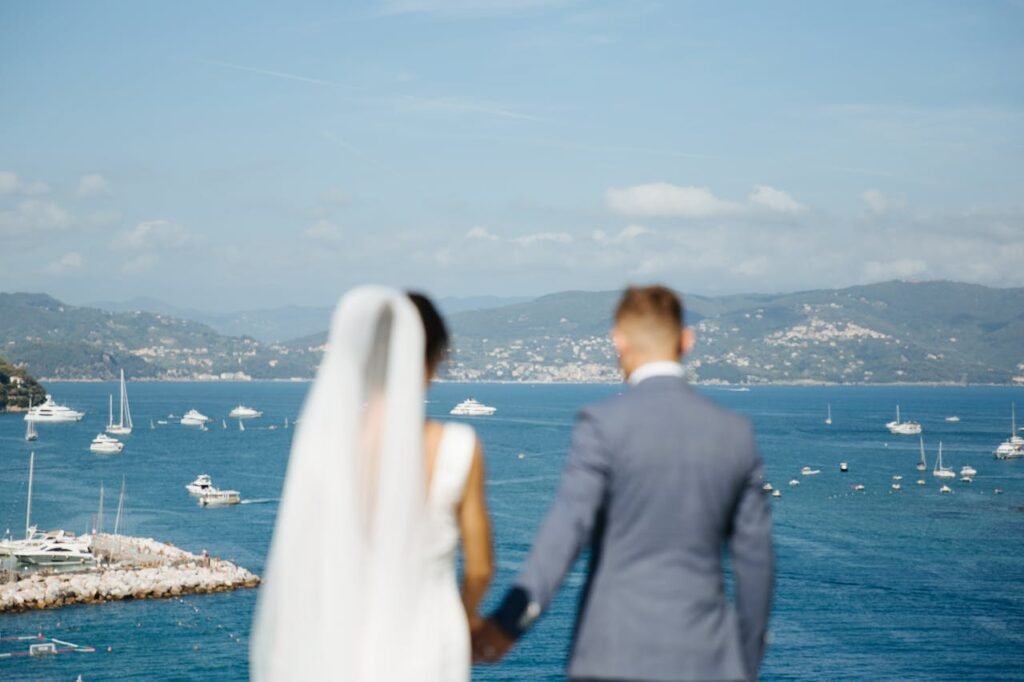
Often overlooked by day-trippers rushing to tick off the main five, Porto Venere sits at the southern tip of the peninsula and is arguably as beautiful as its famous neighbors. Unlike the Cinque Terre villages, Porto Venere has no train station, which helps filter out the most hurried crowds. You can reach it via a scenic ferry ride or a bus from La Spezia.
The town is dominated by the Doria Castle and the striking Church of San Pietro, which sits atop a rocky promontory jutting into the sea. Below the church lies the Byron’s Grotto (Grotta Arpaia), named after the English poet Lord Byron, who famously swam across the gulf to visit fellow poet Percy Bysshe Shelley.
Why Visit?
- History: Walking the medieval walls of the Doria Castle offers a glimpse into the maritime power of the Republic of Genoa.
- Island Hopping: It is the gateway to the three islands of Palmaria, Tino, and Tinetto.
Volastra: The Vineyard Sanctuary
While Manarola is famous for its marina, fewer people look up to see Volastra. Located directly above Manarola, this village is laid out in a circular pattern (its name derives from the Latin Vicus Oleaster, meaning the village of olive trees). This is the agricultural heart of the region.
Volastra is home to the Sanctuary of Our Lady of Health (Nostra Signora della Salute), part of a network of sanctuaries connected by high-altitude trails. The hike from Volastra to Corniglia is considered by Rick Steves and other travel experts as one of the most scenic and less congested alternatives to the coastal Blue Trail.
Tellaro: The Poet’s Muse
Just around the bay from the bustling town of Lerici lies Tellaro, a village that many Italians consider one of the country’s best-kept secrets. It has been listed as one of I Borghi più belli d’Italia (The Most Beautiful Villages in Italy).
Tellaro is a labyrinth of covered alleyways and pastel buildings clinging to the rocks. It is significantly quieter than Vernazza or Riomaggiore but shares the same dramatic aesthetic. Legend has it that a giant octopus once saved the village from a pirate attack by ringing the church bells, a story celebrated annually during the Octopus Festival.
Framura and Bonassola: The Northern Gateways
If you travel just north of Monterosso, you exit the national park and enter a stretch of coast that is favored by locals: Bonassola and Framura.
- Bonassola boasts a wide, crescent-shaped beach that is far more spacious than the cramped strips of sand in the Cinque Terre. It has a relaxed resort vibe with excellent focaccia bakeries.
- Framura is not a single village but a collection of tiny hamlets scattered up the steep hillside. The tiny harbor at sea level is a pristine spot for swimming in crystal-clear water.
These towns are connected to Levanto and the Cinque Terre by a repurposed railway line that has been converted into a flat, stunning cycling and walking path, the Ciclopedonale Maremonti.
San Fruttuoso: Accessible Only by Sea or Foot
Technically part of the Portofino Regional Park but easily accessible on a day trip from the Cinque Terre area, the Abbey of San Fruttuoso is a true hidden gem. There are no roads here. You must arrive by boat from Camogli or hike the rugged trails.
The centerpiece is a 10th-century Benedictine abbey managed by the FAI (Fondo Ambiente Italiano), sitting right on a pebble beach. In the bay’s depths stands the Christ of the Abyss, a submerged bronze statue protecting divers. The isolation of San Fruttuoso creates an atmosphere of profound silence and spirituality.
Comparing the Experience
To help you plan your itinerary, here is a comparison of the main villages versus these hidden alternatives:
| Feature | The Main Five (Cinque Terre) | The Hidden Gems (Porto Venere, Tellaro, Framura) |
|---|---|---|
| Accessibility | High (Train & Ferry constantly) | Moderate (Bus, Ferry, or Car required) |
| Crowd Levels | Very High (especially May-Sept) | Low to Moderate |
| Primary Vibe | Iconic sightseeing, bustling | Relaxed, authentic, slow-travel |
| Best For | First-time visitors, bucket lists | Return travelers, hikers, solitude seekers |
| Price Point | Premium pricing on food/stays | Generally more affordable |
Culinary Secrets: Drinking the Landscape
No guide to the hidden gems of Cinque Terre is complete without mentioning the wine. The steep terraces are not just for show; they produce the rare Sciacchetrà, a sweet dessert wine. While available in the main towns, the best way to experience it is by visiting a small canteen in the hills of Groppo or Volastra.
According to Wine Searcher, the production of this wine is incredibly labor-intensive, often requiring monorails to transport grapes down the cliffs. Drinking it is truly tasting the struggle and beauty of the landscape. Pair it with anchovies from Monterosso, which have their own Protected Designation of Origin status within the European Union legal framework.
Sustainable Travel Logistics
Visiting these hidden gems requires a bit more planning than simply hopping on the train.
- Transport: Utilize the Trenitalia regional trains to reach stations like Levanto or Bonassola. For Porto Venere and Tellaro, rely on the local bus service from La Spezia.
- Hiking: Always check the Parco Nazionale delle Cinque Terre website for trail closures before setting out, especially for the high paths like Volastra.
- Timing: The shoulder seasons (April-May and September-October) offer the perfect balance of weather and solitude.
Conclusion
The Cinque Terre will always be a jewel of the Mediterranean, but its shine is often obscured by the sheer volume of admirers. By stepping sideways into towns like Porto Venere, climbing up to Volastra, or cycling through Bonassola, you discover a version of the Italian Riviera that is slower, quieter, and perhaps more beautiful.
Don’t just visit the postcards; step into the landscape. Whether you are sipping wine in a quiet vineyard or swimming in a secluded cove in Framura, the true hidden gems of Cinque Terre are waiting for those curious enough to find them.
Ready to plan your Italian escape? Subscribe to our newsletter for detailed hiking maps and exclusive accommodation guides for the Ligurian coast.