


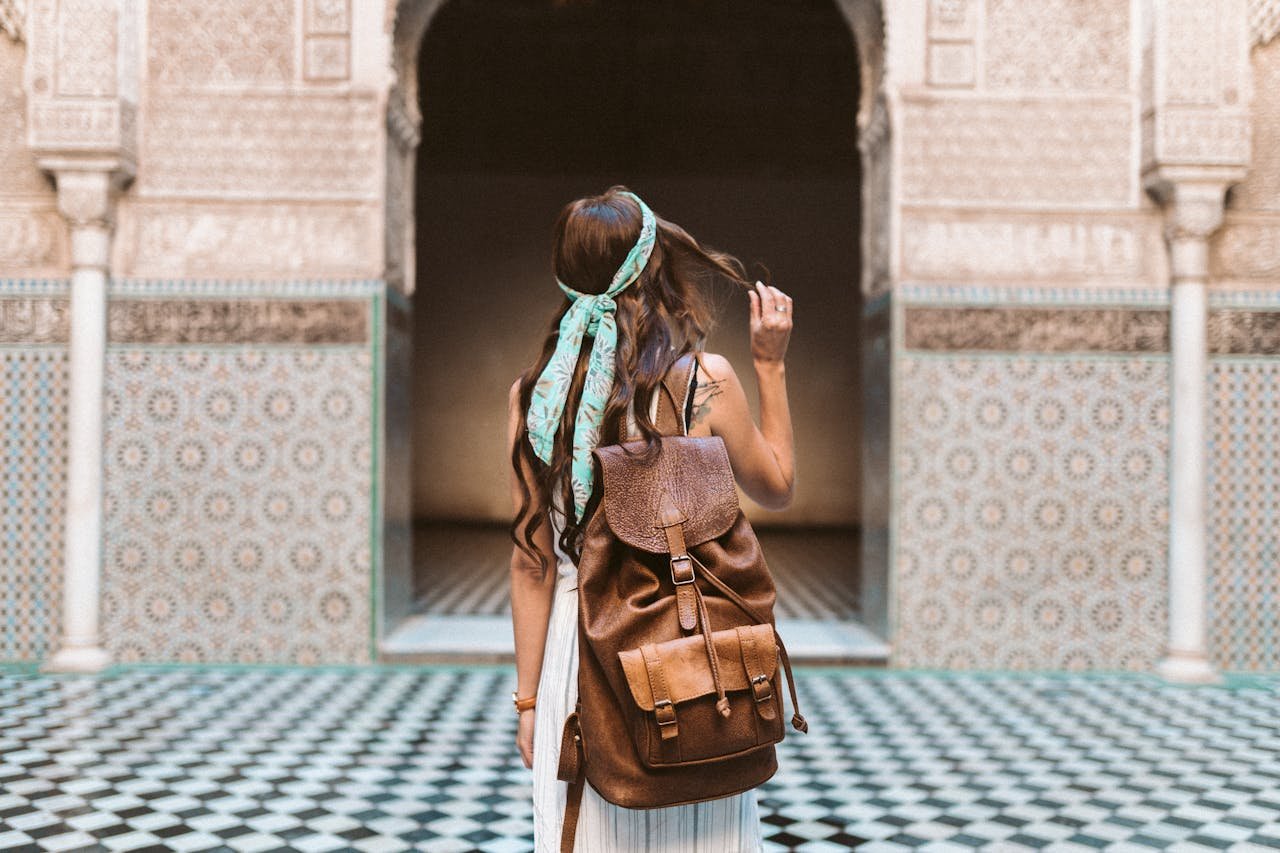
Embarking on a journey alone is one of the most liberating experiences a person can have. Whether you are a seasoned digital nomad or a first-time explorer, the sense of freedom is unparalleled. However, the prospect of navigating the world independently often brings up one major concern: solo travel safety. While the world is generally a welcoming place, being prepared is the key to maintaining your peace of mind.
In this guide, we will explore practical, evidence-based strategies to help you stay secure while enjoying the independence of solo exploration. From protecting your travel documents to mastering situational awareness, we have got you covered.
1. Research Before You Reach Your Destination
The foundation of solo travel safety is thorough preparation. Before booking your flight on Skyscanner, investigate your destination’s current climate. This includes understanding local customs, which can prevent accidental disrespect or drawing unwanted attention. Review the FCDO travel advice for the latest security updates on specific regions.
Knowledge is power. Understanding which neighbourhoods are safe for walking at night and which areas are known for travel scams can significantly reduce your vulnerability. You might also want to check out our guide on cultural immersion tips to blend in more effectively.
Safety Documentation and Digital Backups
Never rely solely on your physical passport or tickets. Keep digital copies of all travel documents in a secure cloud-based folder. Inform a trusted friend of your itinerary and set up a shared location via Google Maps so someone always knows your general vicinity.
2. Choosing the Right Accommodation
Your choice of where to sleep is a critical pillar of accommodation safety. While hostels are great for meeting people, they require specific hostel security measures, such as using a high-quality padlock for lockers. If you prefer more privacy, platforms like Booking.com allow you to filter for properties with 24-hour security or front desks.
When you arrive, check the locks on doors and windows immediately. For solo female travellers, many hostels now offer female-only dorms for an added layer of comfort. For more advice on choosing the right stay, read our article on choosing the right tent for outdoor adventures.
Comparing Accommodation Types for Solo Travellers
| Accommodation Type | Security Level | Pros | Cons |
|---|---|---|---|
| Hotel | High | 24/7 staff, secure locks, room safes. | Can be isolating and more expensive. |
| Hostel | Moderate | Budget-friendly, social atmosphere. | Shared spaces, requires hostel security vigilance. |
| Airbnb | Variable | Home-like feel, local experience. | Lacks professional security staff; check reviews carefully. |
3. Navigating Public Transport Safely
Using public transport is often the most efficient way to see a city, but it requires alertness. Always keep your bags in front of you and avoid using your phone near open train doors where “snatch and run” thefts are common. If you are arriving late at night, it is often safer to use a reputable ride-sharing app or a pre-booked taxi rather than wandering through unfamiliar streets.
For those planning more rugged journeys, our hiking safety tips provide essential advice for navigating trails alone. Remember to always carry a first aid kit, as recommended by the British Red Cross, regardless of your mode of transport.
4. Protecting Your Health and Wellbeing
Your physical health is intrinsically linked to your safety. Before you depart, ensure you have comprehensive travel insurance from providers like World Nomads or SafetyWing. This should cover medical emergencies, theft, and trip cancellations.
Don’t forget the importance of mental health abroad. Travelling alone can sometimes lead to feelings of isolation or “travel burnout.” Check the NHS mental health resources for tips on managing anxiety while away from your support system. Maintaining a routine and staying hydrated can do wonders for your resilience.
- Visit your GP for necessary NHS travel vaccinations.
- Carry a basic first aid kit containing plasters, antiseptic, and rehydration salts.
- Understand the health risks of your destination via the World Health Organization.
- Pack an essential safari packing list even for non-safari trips to cover all bases.

5. Managing Money and Personal Belongings
To minimise the impact of a potential theft, never keep all your cash and cards in one place. Use a money belt for your primary funds and keep a “dummy” wallet with a small amount of cash to hand over in case of a mugging. This is a common tactic suggested by experts in solo travel safety.
Utilise modern banking apps that allow you to “freeze” your card instantly if it goes missing. For more tips on managing your finances on the road, see our guide on travel budgeting hacks.
- Split your cash between your money belt, main luggage, and a small day bag.
- Use an anti-theft backpack with lockable zips.
- Be wary of over-friendly strangers who may be trying to distract you for travel scams.
- Consult TripAdvisor reviews for “safety” mentions regarding specific venues.
6. Staying Connected Safely
While staying connected is vital, be cautious with public Wi-Fi. Use a VPN to protect your data from hackers, especially when accessing banking apps. Ensure your phone is always charged by carrying a portable power bank. You can find recommendations for these in our best backpacking gear roundup.
Keep your emergency contact information easily accessible, both on your phone’s lock screen and on a paper card in your wallet. If you are venturing into the wild, consider a satellite communication device, as highlighted in our mountain trekking essentials guide.
7. Trusting Your Instincts
Perhaps the most important aspect of solo travel safety is listening to your “gut feeling.” If a situation, person, or street feels “off,” remove yourself immediately. Do not worry about appearing rude; your safety is the priority. This level of situational awareness is something that develops over time, but it is your best tool for staying out of trouble.
For more inspiration on why solo travel is worth the effort, check out our comparison of group vs solo tours. Whether you are interested in wildlife photography basics or learning about ethical tourism practices, being a solo traveller allows you to focus entirely on your interests.
Frequently Asked Questions (FAQs)
Is solo travel safe for first-timers?
Yes, solo travel is safe if you choose your destination wisely and follow basic solo travel safety protocols. Start with “easier” destinations with well-established tourist infrastructures and low crime rates. For more help, see our safari itinerary planning guide for structured travel ideas.
What should I do if I lose my passport?
Immediately report the loss to the local police and then contact your nearest embassy or consulate. Having digital copies of your travel documents will speed up the process of getting an emergency travel document. Check official government guidelines for step-by-step instructions.
How can I avoid travel scams?
Research common scams for your specific destination on sites like Lonely Planet. Common tactics include “broken” taxi meters, “free” bracelets, or spills on your clothing designed to distract you. Always be polite but firm when declining offers from strangers and maintain high situational awareness.
Should I carry a first aid kit?
Absolutely. A compact first aid kit is essential for managing minor injuries or illnesses. This is particularly important if you are a digital nomad moving between remote locations. For more gear advice, read about our best travel apps to help you find medical facilities quickly, or learn about adventure photography guide safety for outdoor enthusiasts.
By following these tips and prioritising solo travel safety, you can explore the world with confidence. Whether you are capturing memories with adventure photography or practicing sustainable travel habits, your journey is yours to define. Stay safe, stay curious, and enjoy the ride!
