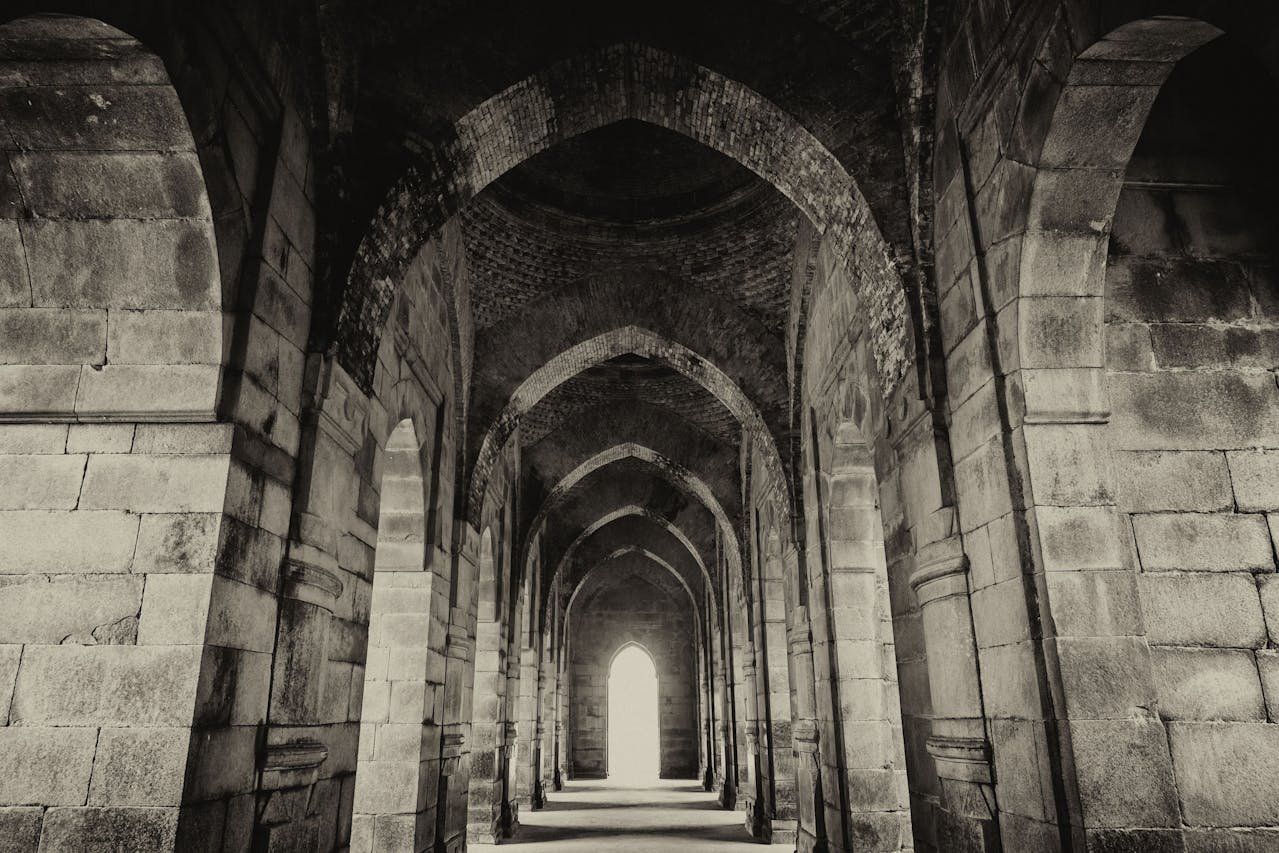
There is something deeply profound about standing in the shadow of a structure that has survived for millennia. Ancient ruins are more than just piles of weathered stone; they are tangible portals to the past, offering us a unique opportunity to connect with the humans who lived, loved, and built great empires long before our time. Whether it is the silent majesty of Stonehenge or the sun-drenched marble of the Parthenon, these archaeological sites provide a perspective that modern life often lacks.
In today’s fast-paced digital world, engaging with our cultural heritage serves as a much-needed “reset button” for the mind. Research suggests that stepping away from screens and immersing ourselves in history can have significant psychological benefits. From the physical exertion of trekking through an ancient city to the quiet contemplation of crumbling architecture, the experience is as much about your health as it is about history.
The Mental Health Benefits of Stepping Back in Time
Psychologists often discuss the concept of “awe”—the feeling we get when encountering something vast or incomprehensible. Studies published in Psychology Today suggest that experiencing awe can reduce stress and increase feelings of compassion. Standing amidst the physical remains of lost civilizations naturally triggers this response.
Visiting sacred sites or majestic temples allows us to:
- Gain Perspective: Realising that civilizations rise and fall helps put our modern anxieties into context.
- Foster Mindfulness: Walking through excavation sites requires focus and presence, grounding us in the “now.”
- Boost Creativity: The architectural wonders of the past often inspire new ways of thinking about design and community.
The The Lancet has highlighted the importance of “green and blue spaces” for mental health, and many ancient ruins are located in pristine natural environments, offering a double dose of therapeutic exposure.
Physical Vitality Through Historical Tourism
Engaging in historical tourism is rarely a sedentary activity. Exploring the sprawling layouts of ancient civilizations involves significant walking, often over uneven terrain. This form of functional exercise is excellent for cardiovascular health. According to the Mayo Clinic, regular brisk walking can help maintain a healthy weight and improve your mood.
Consider the physical demands of climbing the steps of a Mayan pyramid or traversing the Roman Forum. These activities utilise different muscle groups and improve balance. When we utilise our bodies to explore stone structures, we are combining physical fitness with intellectual enrichment.
Comparing Iconic Global Ruins
The following table outlines some of the most significant UNESCO World Heritage sites that travellers frequent for their historical and aesthetic value.
| Site Name | Location | Primary Appeal | Best Time to Visit |
|---|---|---|---|
| Machu Picchu | Peru | Incan engineering | May to October |
| The Colosseum | Italy | Roman history | September to November |
| Petra | Jordan | Rock-cut architecture | March to May |
| Angkor Wat | Cambodia | Khmer spiritualism | November to February |
The Importance of Historical Preservation
Why do we spend so much effort on historical preservation? The UNESCO mission statement emphasises that ruins are part of our collective memory. Without active conservation, these delicate sites would succumb to the elements and human interference.
Organisations like the World Monuments Fund work tirelessly to ensure that future generations can still witness these ancient ruins. Preservation isn’t just about the stones; it’s about the stories they tell. When we visit, we contribute to the local economy, which in turn funds the protection of these archaeological sites.
In the UK, groups like English Heritage and the National Trust manage hundreds of sites, from Roman villas to medieval castles, ensuring that the colour and vibrancy of British history remain accessible to all.
How to Plan Your Ancient Adventure
If you are planning to visit ancient ruins, a little preparation goes a long way. To get the most out of your trip, consider these steps:
- Research the History: Use resources like the British Museum or Smithsonian Institution to understand the context of the site before you arrive.
- Check Accessibility: Some excavation sites are remote. Consult National Geographic for travel guides and safety tips.
- Respect the Rules: Many sacred sites have strict dress codes or photography bans to preserve their sanctity and physical integrity.
- Engage a Local Guide: Expert guides can point out details in the crumbling architecture that you might otherwise miss.
- Consider the Climate: Many ruins are in exposed areas. Check the BBC Weather or local news for conditions.
The Science of Archaeology
Modern technology has revolutionised how we discover lost civilizations. According to articles in Nature, Lidar technology (Light Detection and Ranging) is uncovering ancient city layouts hidden beneath dense jungle canopies. This scientific approach, detailed in the Journal of Archaeological Science, allows researchers to map stone structures without disturbing the earth.
Understanding the “why” behind the “what” is the core of History.com’s educational mission. Every shard of pottery or foundation stone tells us about ancient diets, trade routes, and social hierarchies.
Frequently Asked Questions (FAQs)
What are the oldest ancient ruins in the world?
While dates are often debated, Göbekli Tepe in Turkey is widely considered one of the oldest, dating back over 11,000 years. It predates Stonehenge and the Egyptian pyramids by several millennia.
Is it safe to visit ruins in remote areas?
Safety varies by region. It is always recommended to check government travel advice and travel with reputable tour operators who specialise in historical tourism.
How can I help protect ancient ruins?
The best way to help is to follow “Leave No Trace” principles. Do not touch or climb on fragile stone structures, stick to designated paths, and support historical preservation organisations through memberships or donations.
The Bottom Line
Exploring ancient ruins is a multi-sensory experience that benefits the body and the soul. By connecting with our cultural heritage, we foster a deeper understanding of our place in the world while enjoying the physical rewards of exploration. These architectural wonders are a gift from the past—it is our responsibility to enjoy them mindfully and protect them for the future.