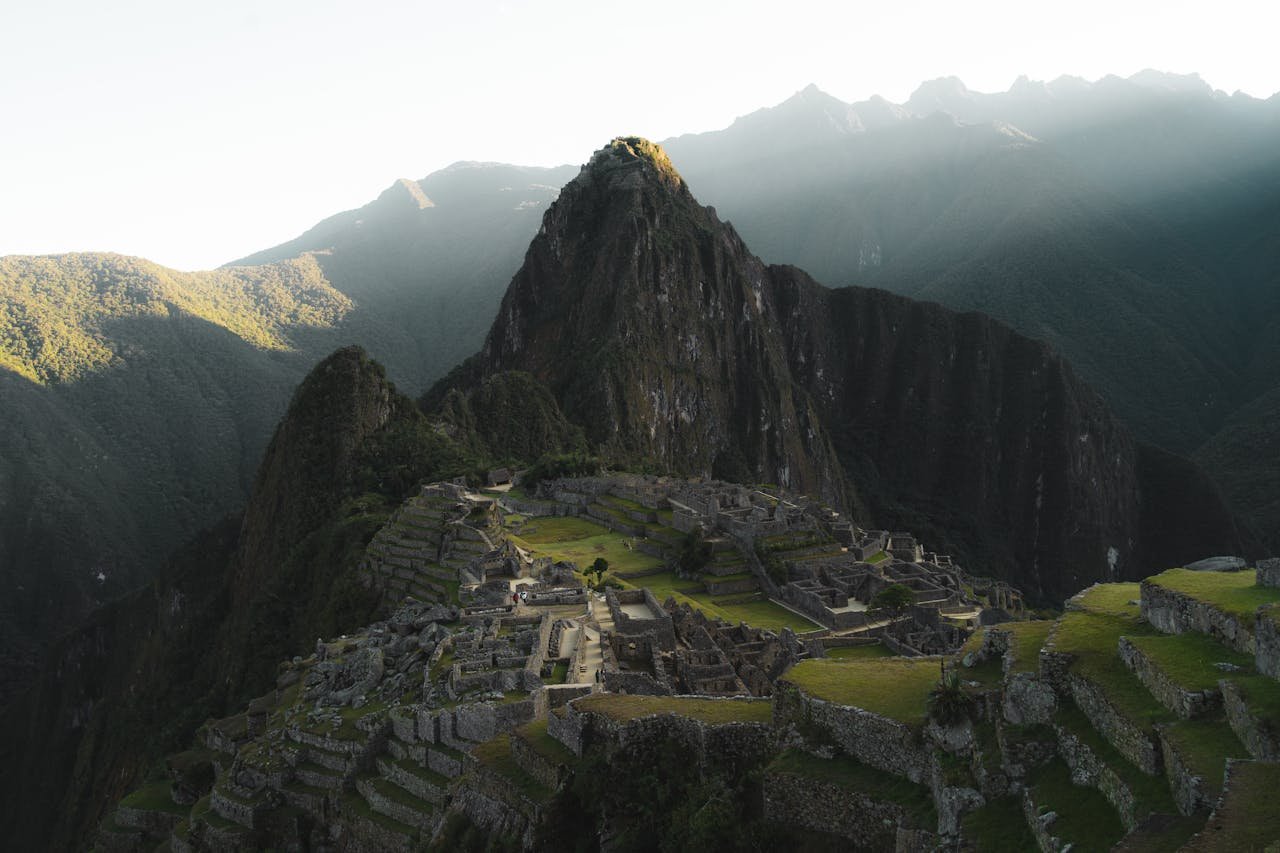
The allure of Lost cities has captivated the human imagination for centuries. From the mist-shrouded peaks of the Andes to the dense greenery of Southeast Asian jungles, these abandoned urban centres offer a poignant glimpse into the rise and fall of ancient civilisations. But why are we so fascinated by these architectural ghosts? Perhaps it is because they remind us of our own resilience—and our vulnerability.
In this guide, we will explore the mysteries behind these legendary sites, the modern technology used to find them, and how you can engage with our collective cultural heritage responsibly. Whether you are an armchair traveller or a seasoned explorer, understanding these sites enriches our historical narratives and provides a unique perspective on human progress.
What Exactly Are Lost Cities?
The term “lost city” typically refers to an urban settlement that fell into terminal decline and was eventually abandoned, often becoming forgotten by the wider world until its “rediscovery” by modern explorers or archaeologists. While many of these archaeological sites remained well-known to indigenous populations, they often disappeared from official maps due to social collapse, desertification, or shifting trade routes.
According to research published in Nature, many ancient cities were far more interconnected and advanced in their urban planning than previously thought. The reasons for their abandonment are complex and often multifaceted, involving environmental shifts and political instability.
Famous Lost Cities and Their Legacies
While hundreds of sites exist globally, a few stand out for their incredible preservation and the stories they tell about the people who once called them home. These sites are often protected by UNESCO as World Heritage sites to ensure their survival for future generations.
1. Machu Picchu, Peru
Often called the “Lost City of the Incas,” Machu Picchu was never truly lost to the locals, but it remained unknown to the Spanish conquistadors. Built in the 15th century, it showcases incredible stonework that fits together without mortar. Today, it is a primary focus for preservation efforts aimed at balancing tourism with structural integrity.
2. Petra, Jordan
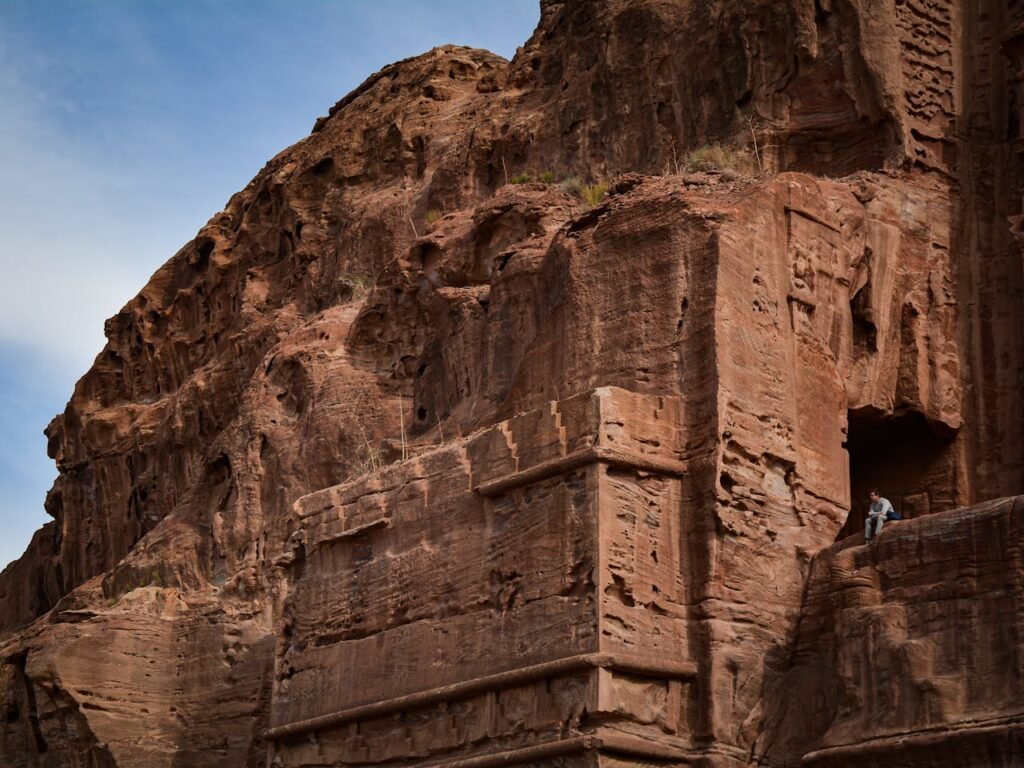
Carved directly into vibrant red sandstone cliffs, Petra was the thriving capital of the Nabataean Empire. It served as a vital crossroads for trade between Arabia, Egypt, and the Mediterranean. Its sophisticated water management systems are still studied by experts at the Smithsonian Institution today.
3. Angkor Wat, Cambodia
Hidden for centuries within tropical rainforests, the temples of Angkor represent the pinnacle of Khmer architecture. Experts using remote sensing technology have recently discovered that the city was much larger than once believed, supporting a massive population through complex hydraulic engineering.
Comparing Iconic Lost Cities
To help you understand the scale and significance of these locations, we have compiled a comparison of some of the most famous Lost cities in the table below:
| City Name | Location | Peak Period | Key Feature |
|---|---|---|---|
| Machu Picchu | Peru | 1450–1572 AD | Terraced farming and dry-stone walls |
| Petra | Jordan | 400 BC–106 AD | Rock-cut architecture |
| Pompeii | Italy | 6th Century BC–79 AD | Volcanic ash preservation |
| Tikal | Guatemala | 200–900 AD | Towering limestone pyramids |
The Science of Discovery: How We Find Them Now
The days of Indiana Jones-style exploration are largely behind us. Today, archaeologists utilise cutting-edge technology to peer beneath the earth and thick forest canopies. According to National Geographic, LiDAR (Light Detection and Ranging) has revolutionised the field, allowing researchers to map archaeological sites in 3D without moving a single stone.
These excavation techniques have revealed that many “lost” areas were actually sprawling metropolises. For example, recent surveys in the Amazon have uncovered evidence of vast urban networks that were previously hidden by dense vegetation. You can learn more about these discoveries through the British Museum‘s digital archives.
Why Did These Cities Disappear?
Understanding why ancient civilisations vanished is crucial for our own future. Many researchers at Live Science point to a combination of factors:
- Climate change: Prolonged droughts or shifts in rainfall patterns often led to agricultural failure.
- Environmental degradation: Over-farming and deforestation frequently made land uninhabitable.
- Disease: Rapidly spreading epidemics could decimate urban populations.
- Warfare: Invasions or internal conflicts often forced citizens to flee.
- Economic shifts: When major trade routes moved, cities often lost their reason for existing.
The impact of climate change on historical sites is a major topic of study at the Royal Geographical Society, highlighting the need for sustainable tourism to prevent further damage to these fragile locations.
How to Visit Lost Cities Responsibly
If you are planning to visit one of these historic marvels, it is essential to do so with a focus on conservation. Following the guidelines set by World History Encyclopedia can ensure these sites remain intact for another thousand years.
- Stick to the paths: Erosion is a major threat to stone structures and ancient foundations.
- Hire local guides: This supports the local economy and provides deeper insight into the cultural heritage.
- Do not touch: Oils from human skin can degrade ancient pigments and stone surfaces.
- Respect local customs: Many of these sites remain sacred to indigenous populations.
- Carry out your waste: Keep the area pristine to avoid attracting pests or damaging the ecosystem.
By practising sustainable tourism, we help fund the preservation efforts necessary to protect these sites from the elements and overcrowding, as discussed in recent reports by The Guardian.
The Psychological Impact of the Past
There is a profound mental health benefit to exploring history. Engaging with the past can foster a sense of “historical empathy,” helping us feel more connected to the broader human experience. As noted by experts on TED, understanding Lost cities allows us to reflect on our own place in time, offering a sense of perspective that can reduce modern-day stress and anxiety.
Learning about the resilience of humans in the face of social collapse can also inspire hope. We see that even when cities fall, the human spirit—and our capacity for urban planning and innovation—continues to evolve.
Frequently Asked Questions (FAQs)
What is the oldest lost city ever found?
While “oldest” is often debated, Çatalhöyük in Turkey and Jericho in the West Bank are among the oldest known urban settlements, dating back over 9,000 years. More recently, sites like Göbekli Tepe have challenged our understanding of the timeline of ancient civilisations. You can find more details on these via History.com.
Are there still lost cities waiting to be discovered?
Absolutely. Large portions of the Amazon basin, the Gobi Desert, and the dense jungles of Central America remain unmapped by high-resolution remote sensing. Scientists at Archaeology Magazine suggest we are currently in a “golden age” of discovery thanks to satellite imagery.
Can climate change create new “lost cities”?
Yes. Rising sea levels and desertification currently threaten several modern coastal cities. Experts at BBC News warn that without significant intervention, some of today’s metropolises could become the Lost cities of the 22nd century.
Is it safe to visit these remote sites?
Safety depends on the location and local political stability. Always check travel advisories and ensure you are visiting through reputable operators who prioritise both visitor safety and site preservation efforts.