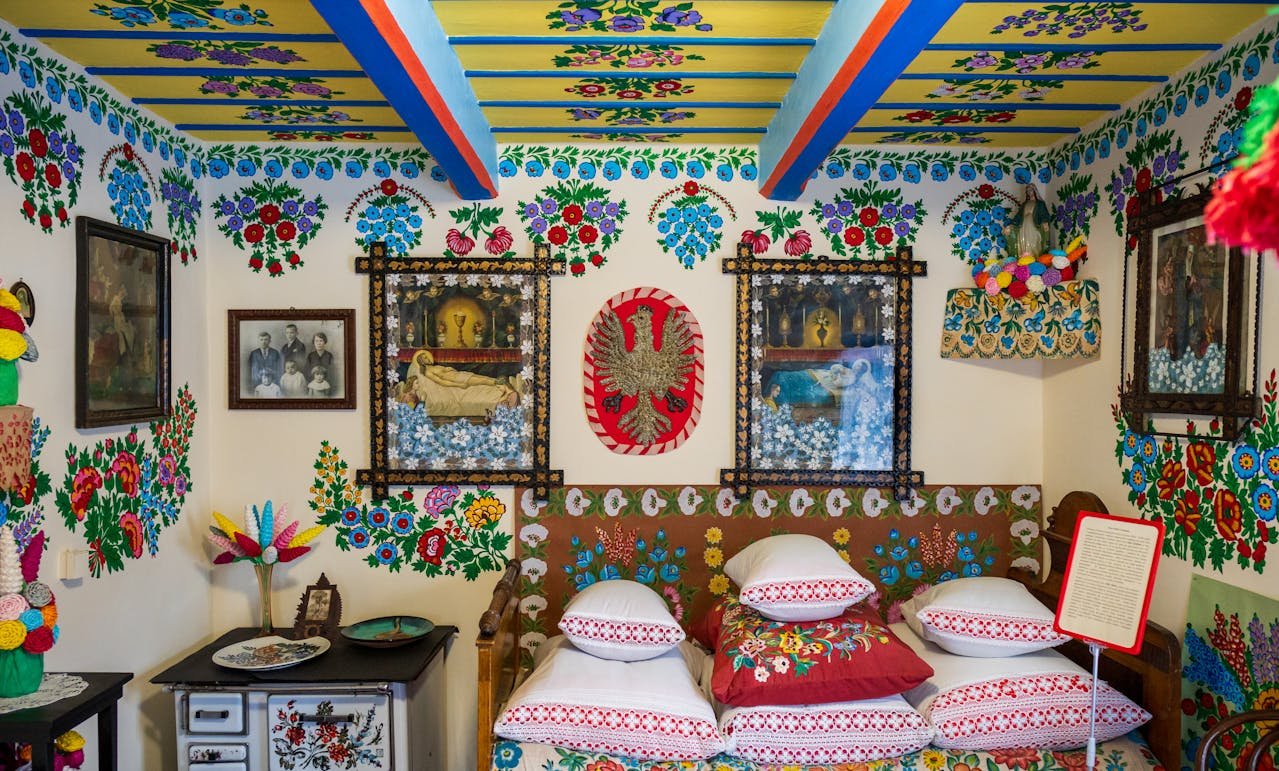
Whether it is a hand-painted ceramic bowl from a Mediterranean village or a meticulously stitched quilt from the Appalachian mountains, folk art represents the soul of a community. Unlike the elite worlds of high-brow galleries, this art form is created by the people, for the people. It is a celebration of traditional craftsmanship and the enduring power of human creativity.
In today’s fast-paced digital world, many are turning back to these authentic expressions to find a sense of belonging and grounding. Research suggests that engaging with cultural heritage can significantly improve mental wellbeing. By understanding the historical context behind these pieces, we can better appreciate the functional beauty that defines our shared human experience.
What Exactly is Folk Art?
Folk art encompasses a wide range of decorative and utilitarian objects. It is typically produced by individuals who have not received formal academic training in the arts. Instead, these skills are often passed down through generations, preserving a unique community identity.
While “fine art” focuses on aesthetics and theory, the native aesthetics of folk traditions are rooted in everyday life. These works often use unconventional materials that are readily available in the local environment, such as clay, wood, straw, or recycled textiles.
Key Characteristics of Folk Art
- Utility: Most pieces are designed for a specific use, such as storage, warmth, or cooking.
- Visual Storytelling: Artists use symbolic meanings to convey stories about their faith, family, or environment.
- Vibrant Colours: The use of bold, vibrant colours is a common trait across different cultures.
- Regional Style: Each piece reflects the specific traditions of indigenous communities or rural groups.
The Therapeutic Value of Traditional Craft
Engaging with or creating folk art isn’t just a hobby; it can be a form of art therapy. The repetitive nature of textile arts like knitting or weaving has been shown to lower cortisol levels, acting as a natural stress reliever. According to the Mayo Clinic, creative expression can help manage chronic pain and anxiety.
By focusing on traditional craftsmanship, individuals can achieve a “flow state,” a psychological condition where one is fully immersed in an activity. This meditative process is vital for maintaining cognitive health and emotional resilience.
Folk Art vs. Fine Art: Understanding the Difference
To the untrained eye, the lines can sometimes blur. However, the distinction usually lies in the intent and the audience. Folk art is deeply democratic. It does not require a degree to understand or create.
| Feature | Folk Art | Fine Art |
|---|---|---|
| Training | Self-taught or community-taught | Formal academic training |
| Purpose | Utilitarian and decorative | Aesthetic and conceptual |
| Audience | Local community and family | Collectors and galleries |
| Materials | Local and natural resources | Traditional canvases, oils, bronze |
Common Types of Folk Art Around the World
The diversity of folk art is staggering. From the intricate woodcarving of Scandinavia to the colourful “Pattachitra” paintings of India, every culture has its own signature style. These crafts are often protected as intangible cultural heritage by organisations like UNESCO.
1. Textile Arts
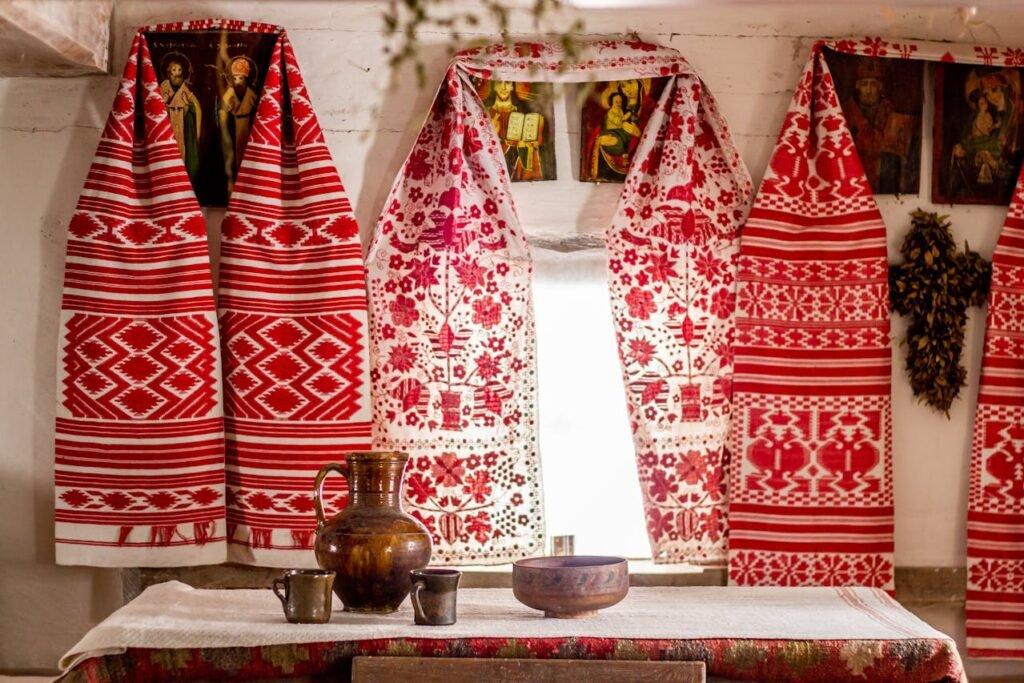
This includes quilting, embroidery, and rug hooking. In many indigenous communities, textiles are a primary form of visual storytelling. You can see world-class examples at the Victoria and Albert Museum.
2. Woodcarving and Scultpure
Often used for religious icons or household tools, woodcarving demonstrates a deep connection to the land. The British Museum holds vast collections of these hand-carved historical treasures.
3. Pottery and Ceramics
Earthenware and stoneware are among the oldest forms of human expression. These utilitarian objects combine form and function, often featuring motifs that reflect the local flora and fauna. Explore the evolution of pottery at the Metropolitan Museum of Art.
The Rise of Outsider Art
A related movement is outsider art, which refers to works created by those outside the mainstream art world, often including people with mental health challenges or those who are socially isolated. While distinct from traditional folk art, both share a raw, honest approach to creativity. The Tate provides an excellent overview of how these “unrefined” works have influenced modern aesthetics.
Why We Must Preserve Folk Traditions
Preserving folk art is about more than just saving old objects; it is about protecting the identity of a people. As globalisation flattens our differences, these unique crafts remind us of where we came from. Many historical sites managed by the National Trust showcase how these traditions were integrated into the daily lives of previous generations.
Furthermore, many folk traditions utilise sustainable practices. By using unconventional materials found in nature, these artists often have a smaller ecological footprint. Research published in Nature highlights how traditional knowledge can contribute to modern environmental sustainability.
How to Support and Collect Folk Art
- Visit Local Markets: Purchase directly from artisans to ensure your money supports the local economy.
- Research the History: Use resources like the Smithsonian Institution to learn about the origins of different styles.
- Visit Dedicated Museums: The American Folk Art Museum is a premier destination for enthusiasts.
- Take a Workshop: Learning a skill like woodcarving or weaving can provide a deeper appreciation for the craft.
If you are interested in the academic study of these traditions, many universities, including the University of Oxford, offer courses that explore the intersection of history, culture, and art.
The Bottom Line
Folk art is a testament to the resilience and ingenuity of the human spirit. It reminds us that beauty is not reserved for the elite, but is something that can be found in the most humble of utilitarian objects. By celebrating traditional craftsmanship, we not only honour our ancestors but also enrich our own lives with vibrant colours and meaningful stories.
Frequently Asked Questions (FAQs)
What is the difference between folk art and decorative art?
While both focus on ornamentation, folk art is typically tied to a specific ethnic or social group and is often self-taught. Decorative art is a broader term that can include mass-produced items or those designed by professionally trained artists for a commercial market.
Is folk art still being made today?
Yes, absolutely. Many indigenous communities and rural artisans continue to produce work that maintains their cultural heritage. Modern “contemporary folk art” also exists, where artists use traditional techniques to comment on modern issues.
Why is folk art often called “primitive”?
In the past, art historians used the term “primitive” to describe folk art, but this is now considered outdated and derogatory. The term failed to recognise the complex symbolic meanings and sophisticated native aesthetics present in these works. Today, we use more respectful terms like “vernacular” or “self-taught” art.
Can I see folk art in major world museums?
Yes, major institutions like the Louvre and the British Museum have extensive galleries dedicated to the arts of Africa, Oceania, and the Americas, which include many masterpieces of folk tradition.