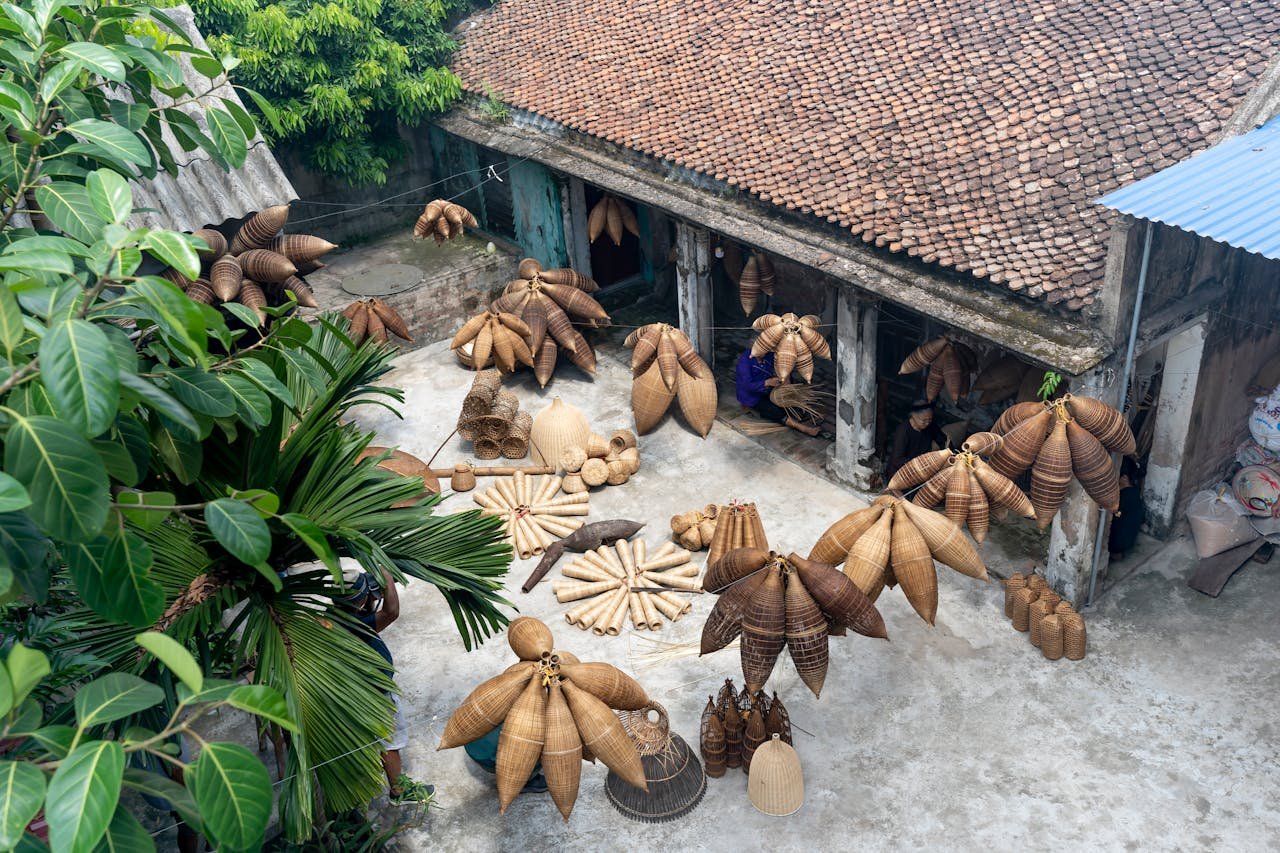
In our increasingly digital world, many of us feel a profound sense of disconnection from the physical environment. Heritage crafts—those time-honoured practices that involve creating functional or decorative objects by hand—are seeing a massive resurgence. Far from being “stuck in the past,” these traditional skills offer a powerful antidote to the stresses of modern life, providing a pathway to sustainable living and enhanced mental well-being.
Whether it is the rhythmic clatter of a weaving loom or the earthy scent of wet clay, engaging with artisan techniques connects us to our ancestors while grounding us in the present moment. Research published by the NHS suggests that creative hobbies can significantly reduce anxiety and improve mood, making these ancient practices more relevant than ever.
What Are Heritage Crafts?
The term “heritage crafts” refers to practices that have been passed down through generations. These crafts rely on the manual dexterity of the maker rather than industrial machinery. According to the Heritage Crafts Association, these skills are part of our cultural identity and represent an “intangible cultural heritage,” a concept heavily supported by UNESCO.
Engaging in these tactile activities allows for a unique form of creative expression. From blacksmithing and basketry to lacemaking and dry stone walling, these crafts require patience, precision, and a deep understanding of natural materials.
The Health Benefits of Working with Your Hands
The benefits of heritage crafts extend far beyond the finished product. Health experts at the Mayo Clinic highlight that focused, repetitive tasks can lower cortisol levels. Here are a few ways these crafts benefit you:
- Mindfulness: The focused attention required for intricate work promotes a state of “flow.”
- Hand-eye coordination: Regular practice helps maintain fine motor skills as we age.
- Cognitive health: Learning complex new patterns stimulates neuroplasticity.
- Stress reduction: The sensory nature of these crafts provides a calming, meditative experience.
According to Psychology Today, entering a “flow state” through craft can be as effective as meditation for some individuals, offering a natural way to manage daily pressure.
The Red List: Saving Our Endangered Crafts
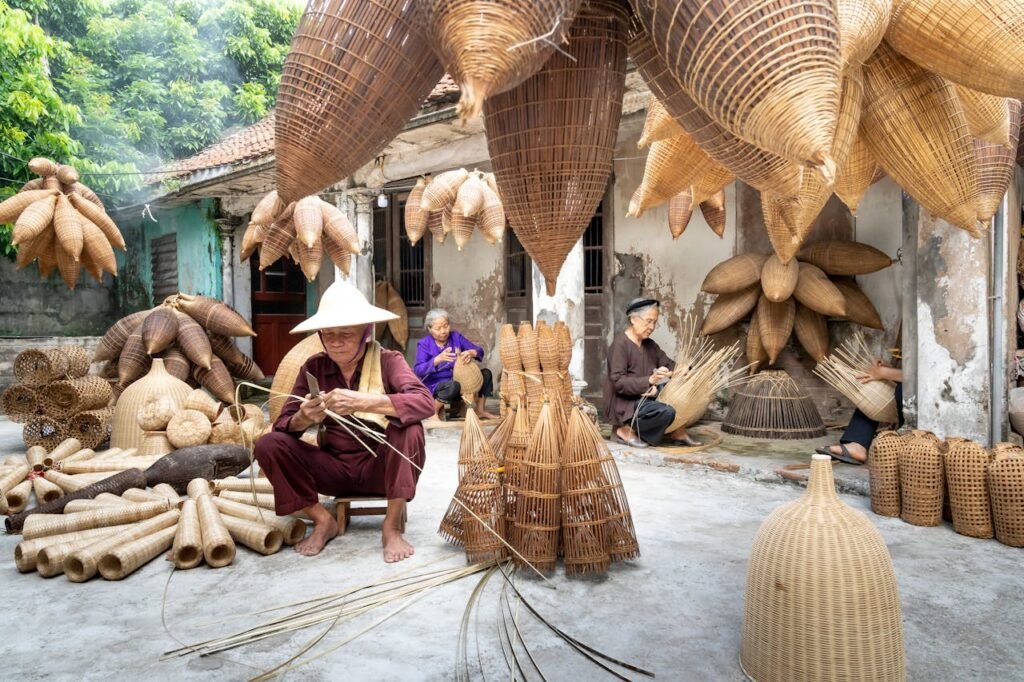
Not all heritage crafts are thriving. Many are currently classified as red-list crafts, meaning they are at risk of disappearing entirely because there are too few practitioners to pass on the knowledge. The BBC has frequently reported on the decline of specific skills like cricket bat making or traditional parchment making.
Preserving these skills is not just about nostalgia; it is about maintaining a diverse set of solutions for a sustainable future. Sustainable living is at the heart of many heritage crafts, which often use locally sourced, biodegradable materials that have a lower environmental impact than mass-produced alternatives, as noted in studies found on Nature.com.
Comparing Modern Manufacturing and Heritage Crafts
To understand the value of these artisan techniques, it helps to look at how they differ from modern, industrialised production methods.
| Feature | Modern Manufacturing | Heritage Crafts |
|---|---|---|
| Production Speed | High-speed, mass-produced | Slow, intentional (“Slow living”) |
| Environmental Impact | High (energy, waste, plastics) | Low (natural materials, local sourcing) |
| Durability | Planned obsolescence | Built to last generations |
| Well-being Benefit | Passive consumption | Active mindfulness and satisfaction |
| Skill Transfer | Machine-based | Intergenerational learning |
How to Get Started with Heritage Crafts
You don’t need to be a master craftsman to begin. Many organisations, such as the National Trust and the Crafts Council, offer taster sessions and workshops. Engaging with your local community is a great way to start.
- Research local guilds: Many towns have spinning, weaving, or woodworking groups.
- Look for “Social Prescribing”: Some doctors now recommend craft groups through schemes mentioned in The Lancet.
- Invest in vocational training: If you want to turn a passion into a career, look for formal vocational training programmes.
- Visit Museums: Sites like the Victoria and Albert Museum provide inspiration through historical masterpieces.
The UK Government also provides resources for those looking to pursue apprenticeships in traditional trades, ensuring these traditional skills are not lost to time.
Building Community Through Craft
One of the most rewarding aspects of heritage crafts is community engagement. Sharing a workbench or a knitting circle fosters social connections that are vital for long-term health. The Harvard Health Publishing notes that social connection is a key predictor of longevity and happiness. By participating in intergenerational learning, younger people gain wisdom and hand-eye coordination skills, while older generations find a renewed sense of purpose.
Organisations like The Prince’s Foundation actively promote the integration of traditional arts into modern life, proving that slow living and high-quality craftsmanship have a place in the 21st century.
A Sustainable Future
As we face global environmental challenges, the principles of heritage crafts—repairability, durability, and respect for raw materials—offer a blueprint for a more conscious lifestyle. By choosing to support or learn heritage crafts, you are making a choice that benefits both your personal mental well-being and the planet. For more on the cultural impact of these crafts, you can read the latest features in The Guardian.
Frequently Asked Questions (FAQs)
What makes a craft a “heritage” craft?
A heritage craft is typically defined by its reliance on traditional skills and artisan techniques that have been passed down through generations. Unlike industrial manufacturing, the “human touch” and manual dexterity are central to the process.
Are heritage crafts only for older people?
Absolutely not! There is a growing movement of young people embracing slow living and tactile activities. Many find that heritage crafts provide a necessary break from screen time and a unique way to express their cultural identity.
How can I help save endangered crafts?
The best way to help is by becoming a practitioner or a patron. Buy products from local artisans, attend workshops to keep the skills alive, and support organisations that advocate for red-list crafts. Even sharing information about these skills on social media helps raise awareness.
Can heritage crafts really help with anxiety?
Yes. Engaging in mindfulness through repetitive, creative tasks can lower heart rates and provide a sense of control and accomplishment. This is why many therapists now recommend creative expression as part of a holistic approach to mental well-being.