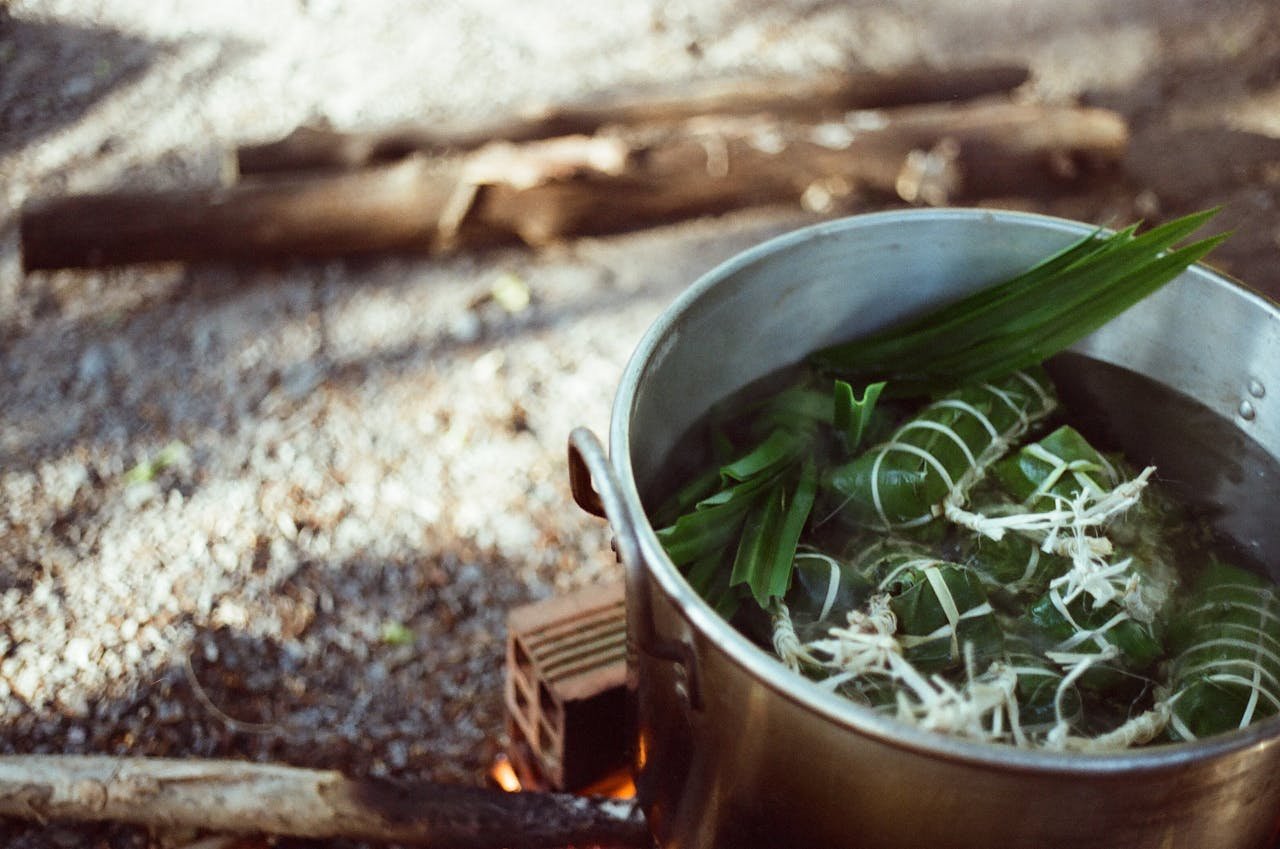
In an era of rapid-fire food trends and ultra-processed convenience, there is a growing movement returning to the roots of our kitchens. Traditional recipes are more than just dusty instructions in a grandmother’s notebook; they are a blueprint for health, a link to our cultural identity, and a powerful tool for modern wellbeing. By embracing the methods of the past, we can cultivate a healthier future.
Whether it is the comforting aroma of a slow-simmered stew or the tactile rhythm of kneading dough, these time-honoured practices offer a reprieve from the digital age. Research suggest that healthy eating habits established through cooking at home can significantly reduce the risk of chronic illness.
The Nutritional Power of Heritage
Many traditional recipes were born out of necessity, utilising what was available in the local environment. This naturally led to diets rich in nutrient-dense ingredients and devoid of modern additives. Unlike modern processed meals, heritage cooking relies on whole foods that provide a complex array of vitamins and minerals.
For instance, the Mediterranean diet, widely celebrated by the British Heart Foundation, is essentially a collection of traditional regional recipes. These meals prioritised healthy fats, lean proteins, and an abundance of legumes. By focusing on home-cooked meals, families can control salt and sugar intake while maximising the bio-availability of nutrients.
The Rise of Slow Cooking
One of the hallmarks of traditional recipes is the element of time. Slow cooking, whether through a heavy Dutch oven or a traditional clay pot, allows tough cuts of meat to break down, releasing collagen and minerals that are often missing from modern diets. This patient approach to food preparation not only enhances flavour but also improves digestibility.
Comparing Traditional Cooking vs. Modern Convenience
To understand why we are seeing a resurgence in heritage cooking, it is helpful to look at how these methods compare to modern alternatives.
| Feature | Traditional Recipes | Modern Convenience Foods |
|---|---|---|
| Primary Ingredients | Whole, unprocessed, seasonal produce | Refined grains, sugars, and preservatives |
| Nutritional Profile | High in fibre and micronutrients | High in “empty” calories and sodium |
| Gut Health Impact | Supports diversity through fermented foods | May disrupt microbiome with emulsifiers |
| Environmental Impact | Low (local and seasonal focus) | High (packaging and global transport) |
Gut Health and Ancient Fermentation
Long before refrigeration, our ancestors used fermentation to preserve the harvest. Today, we recognise that these fermented foods—such as sauerkraut, kimchi, and kefir—are essential for maintaining gut health. Incorporating these into your daily routine can help balance the trillions of bacteria in your digestive system.
According to studies published in Nature, a diverse gut microbiome is linked to improved immunity and even mental clarity. Sourdough bread, another staple of culinary traditions, uses a long fermentation process that breaks down gluten and phytic acid, making it much easier on the stomach than commercially produced loaves. You can learn more about the science of fermentation via Medical News Today.
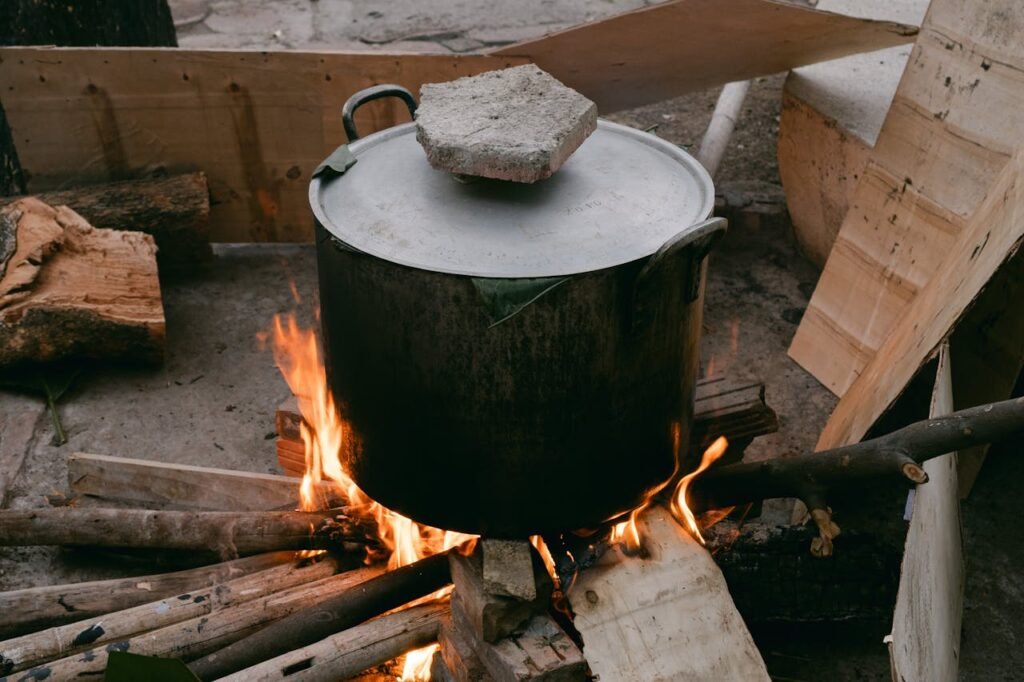
The Psychology of Mindfulness in Cooking
The act of following traditional recipes requires a level of focus that modern “microwave culture” lacks. This mindfulness in cooking—chopping vegetables, measuring spices, and observing the transformation of ingredients—can serve as a form of active meditation. The Harvard Health blog notes that mindfulness during food preparation and consumption can prevent overeating and reduce stress.
Furthermore, preparing a Sunday roast or a family-style platter fosters social connection. Sharing these meals reinforces family heritage and provides a sense of belonging that is vital for mental wellness. The Smithsonian explores how food acts as a primary vessel for history and communal bonds.
Sustainability and Food Security
Traditional cooking is inherently sustainable. By prioritising seasonal produce, we reduce the carbon footprint associated with long-distance food transport. Old-world recipes often teach us how to use “nose-to-tail” or “root-to-stem” techniques, which minimises waste and supports food security.
- Heirloom vegetables: Using older varieties of crops helps preserve genetic diversity in our food system.
- Preservation: Pickling, drying, and salting are kitchen skills that reduce reliance on global supply chains.
- Ethical Sourcing: Heritage recipes often encourage buying from local butchers and farmers.
The University of Oxford has highlighted the significant impact our dietary choices have on the planet, suggesting that a return to more plant-forward, traditional ways of eating could be a key climate solution.
How to Start Reviving Traditional Recipes
You don’t need to be a professional chef to begin this journey. Start by asking older relatives for their favourite meals or searching for recipes from your specific ancestral background. The World Health Organization (WHO) emphasizes that a healthy diet is a lifelong commitment that starts with simple, whole-food choices.
- Master the basics: Learn how to make a basic stock or a simple vinaigrette.
- Invest in quality: A few good tools, like a cast-iron skillet, can last a lifetime.
- Shop seasonally: Visit local markets to find seasonal produce at its peak flavour and nutrition. Consult the British Dietetic Association for tips on getting the best nutrients from your veg.
- Document everything: Write down your variations of traditional recipes to pass on to the next generation.
As BBC Good Food notes, cooking from scratch is one of the most impactful changes you can make for your health. Whether it’s the anthocyanins found in heirloom vegetables (read more on ScienceDirect) or the fibre in nutrient-dense ingredients (as detailed by the British Nutrition Foundation), the benefits are undeniable.
Ultimately, traditional recipes represent a sustainable and nourishing way of life. They remind us that food is not just fuel; it is a story, a medicine, and a celebration of life. In a world that is constantly rushing, the kitchen remains the one place where we can truly slow down and reconnect with what matters.
Frequently Asked Questions (FAQs)
Are traditional recipes always healthy?
While many traditional recipes focus on whole foods, some can be high in fats or salts used for preservation. The key is to adapt these recipes by using modern nutritional knowledge, such as reducing added salt or increasing the proportion of vegetables, while maintaining the traditional cooking techniques.
Why is it important to preserve culinary traditions?
Preserving these traditions maintains cultural identity and ensures that vital kitchen skills are not lost. It also protects food biodiversity and provides a sense of continuity and comfort that benefits mental health, as documented in The Lancet Planetary Health.
How can I find authentic traditional recipes?
The best sources are often family members, but you can also look for historical cookbooks, community archives, or reputable websites like National Geographic. Focus on recipes that list whole, recognisable ingredients and traditional preparation methods like fermenting or braising.
Do I need expensive equipment for traditional cooking?
Not at all. Most traditional recipes were developed using very basic tools. A sharp knife, a sturdy pot, and a wooden spoon are often all you need to recreate the home-cooked meals of your ancestors. The focus is on the quality of ingredients and the technique rather than high-tech gadgets.
Are traditional recipes more expensive to make?
Actually, they are often more economical. By using seasonal produce, cheaper cuts of meat (made tender through slow cooking), and pantry staples like beans and grains, you can create highly nutritious meals for a fraction of the cost of pre-packaged convenience foods.