


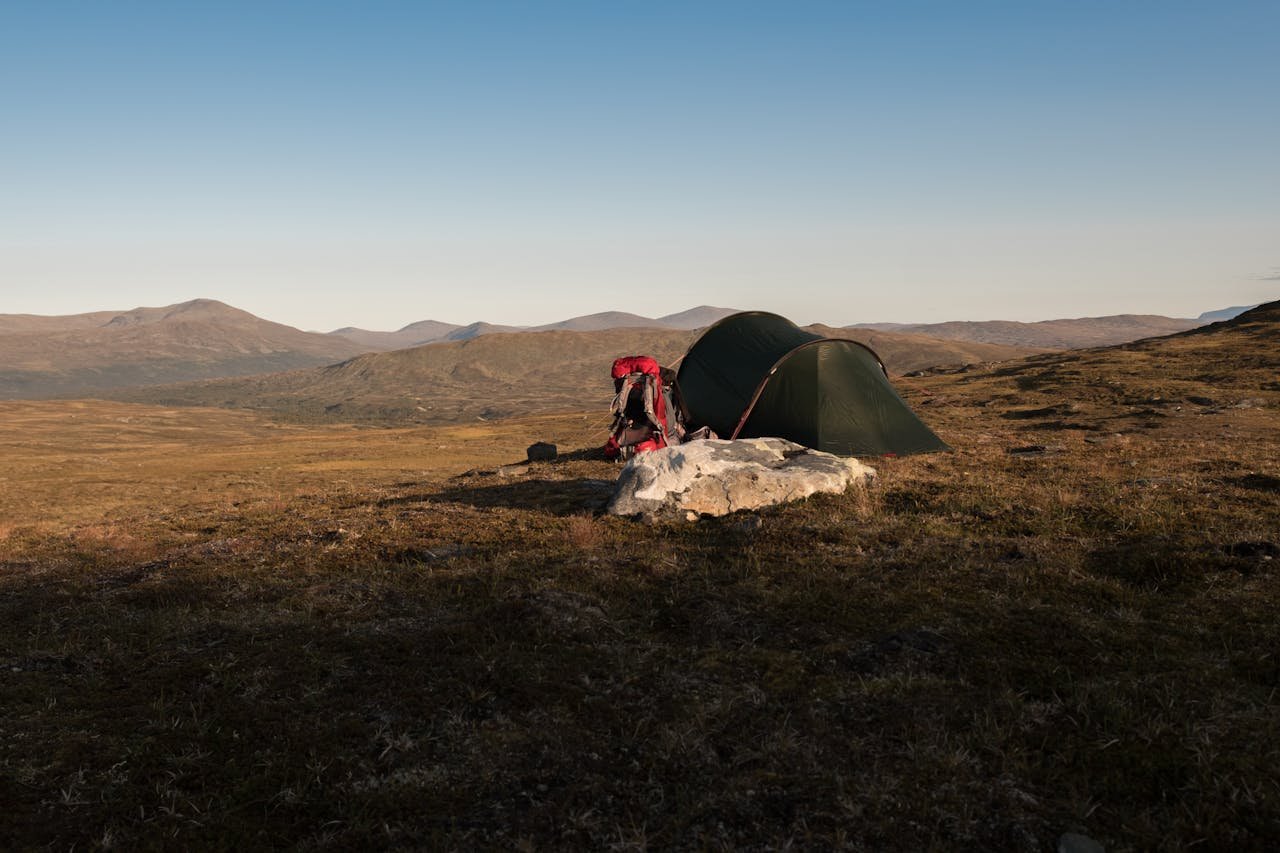
For many of us, the modern world feels increasingly loud, fast, and disconnected. Between the constant ping of notifications and the sterile hum of office lights, it is no wonder that wild camping has seen a massive surge in popularity. This isn’t just about sleeping in the dirt; it’s an invitation to rediscover a sense of outdoor adventure that is often lost in our urbanised lives.
At its heart, wild camping involves pitching your tent away from the structured facilities of a commercial campsite, usually in the backcountry or high-altitude wilderness. It offers a unique opportunity for off-grid living, even if just for a weekend, allowing you to reset your internal clock and reconnect with the natural world.
The Health Benefits of Sleeping Under the Stars
Spending time in nature is more than just a pleasant distraction; it is a vital component of holistic health. Research published in Nature suggests that spending at least 120 minutes a week in green spaces can significantly boost your overall wellbeing. Wild camping takes this a step further by immersing you in the environment for 24 hours or more.
The mental health benefits of this immersion are profound. Being away from artificial light helps regulate your circadian rhythm, which the Sleep Foundation identifies as crucial for deep, restorative rest. Furthermore, the NHS highlights connecting with nature as a key pillar of mental wellbeing, reducing symptoms of anxiety and depression.
Navigating Wild Camping Laws in the UK
Before you grab your pack, it is essential to understand the legalities. Wild camping laws UK vary significantly depending on your location. In Scotland, thanks to the Land Reform (Scotland) Act 2003, you have a “right to roam,” meaning wild camping is generally legal on most unenclosed land, provided you follow the Scottish Outdoor Access Code.
In England and Wales, the situation is different. Legally, you must obtain the landowner’s permission before pitching a tent. However, there are traditional exceptions. For instance, parts of Dartmoor National Park have historically allowed wild camping, though it is vital to check their updated “backpacking map” before heading out to ensure you are in a permitted zone.
Wild Camping vs. Traditional Camping: At a Glance
| Feature | Wild Camping | Commercial Campsites |
|---|---|---|
| Cost | Free (usually) | £15 – £40 per night |
| Facilities | None (Self-reliant) | Toilets, showers, WiFi |
| Privacy | High; solitary experience | Low; close proximity to others |
| Environmental Impact | Minimal (if following rules) | Concentrated human activity |
| Flexibility | High; camp where you hike | Fixed location and bookings |
Essential Gear for the Modern Wild Camper
When you are miles from the nearest road, your equipment becomes your lifeline. The goal is to balance comfort with weight. Opting for lightweight gear is essential if you plan on trekking several miles to your site. Many seasoned adventurers prefer a bivvy bag over a traditional tent for its portability and minimal footprint.
Key items to include in your pack:
- A reliable, four-season sleeping bag.
- A compact camping stove for boiling water and heating food.
- A water purification system (filters or tablets) to ensure local sources are safe to drink, as recommended by the Environment Agency.
- High-quality topographic maps from the Ordnance Survey.
- A comprehensive first aid kit, with knowledge on how to use it provided by the British Red Cross.
The Ethics of the Wild: Leave No Trace Principles
The beauty of wild camping relies entirely on campers respecting the environment. This is where the Leave No Trace principles come into play. These are a set of international guidelines designed to promote sustainable tourism and protect fragile ecosystems.
- Plan Ahead and Prepare: Check the weather via the Met Office and know the terrain.
- Travel and Camp on Durable Surfaces: Avoid crushing sensitive vegetation or rare wildflowers protected by The Wildlife Trusts.
- Dispose of Waste Properly: If you carry it in, carry it out. This includes food scraps and toilet paper.
- Leave What You Find: Do not remove stones, plants, or historical artefacts.
- Minimise Campfire Impacts: Strictly follow campfire safety. In many wild areas, fires are discouraged; use a stove instead to prevent wildfires.
- Respect Wildlife: Keep a safe distance from animals and do not feed them.
- Be Considerate of Others: Keep noise levels low to preserve the sense of solitude for everyone.
Choosing the Perfect Pitch
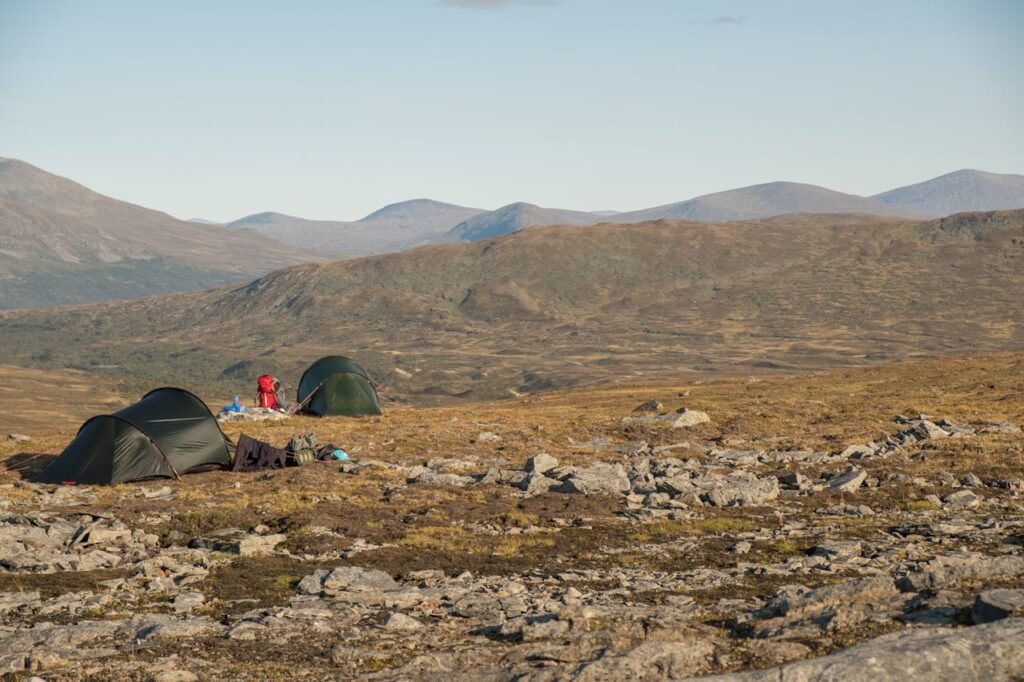
Finding a spot for sleeping outdoors requires a bit of intuition and strategy. You should aim to be at least 100 metres away from any public paths or roads. Look for ground that is flat and dry, avoiding hollows where water might pool if it rains. If you are solo camping, safety and visibility are paramount; ensure someone back home knows your coordinates.
Before settling in, check the surrounding trees. Organizations like the Woodland Trust advise against camping directly under dead branches (affectionately known as ‘widow-makers’) that could fall during high winds. Similarly, stay away from the edges of cliffs or fast-flowing rivers.
The Future of Wild Camping and Conservation
As more people seek the thrill of wild camping, the pressure on our national parks increases. Groups like the Ramblers and The National Trust work tirelessly to balance public access with conservation efforts. By camping responsibly, you become a steward of these lands, ensuring that future generations can also enjoy the raw beauty of the British wilderness.
Whether you are looking to escape the city or simply want to test your survival skills, wild camping offers a transformative experience. It challenges your resilience, clears your mind, and reminds you that the best things in life—like a sunrise over a misty moor—are entirely free.
Frequently Asked Questions (FAQs)
Is wild camping legal in the UK?
In Scotland, wild camping is legal on most unenclosed land. In England, Wales, and Northern Ireland, you generally need the landowner’s permission, except for specific areas in Dartmoor or when following Mountaineering Scotland guidelines for high-altitude bivvying.
What is the best time of year for wild camping?
Late spring and early autumn are often considered the best times. The weather is milder than winter, and you avoid the peak of “midge season” in the Scottish Highlands, which typically occurs in July and August.
How do I manage my bathroom needs while wild camping?
You should walk at least 30 to 50 metres away from any water sources or paths. Dig a small hole (6 inches deep), and afterwards, bury all human waste. Always carry out your toilet paper in a sealed bag to maintain sustainable tourism standards.
Can I have a campfire while wild camping?
Generally, no. Most authorities, including Mountaineering Scotland, advise against campfires because they can cause permanent ground damage and pose a wildfire risk. A portable camping stove is the safer, more ethical choice for cooking.
