


When you think of European waterways, the mind often drifts to Venice or Amsterdam. However, nestled in the heart of Flanders lies a scenic secret that offers a unique blend of Belgian heritage and tranquil escape: the Ghent canals. These shimmering arteries do more than just transport visitors through the city; they serve as a vital link to Ghent’s medieval past and a modern sanctuary for mental well-being.
Whether you are planning a weekend city break or looking for sustainable travel options, the Ghent canals provide a restorative environment that combines history with the soothing properties of water. Research from Nature.com suggests that spending time near “blue spaces” like urban rivers can significantly lower stress levels and improve mood. In this guide, we explore how to navigate these historic waters for the ultimate Ghent experience.
The Living History of Graslei and Korenlei
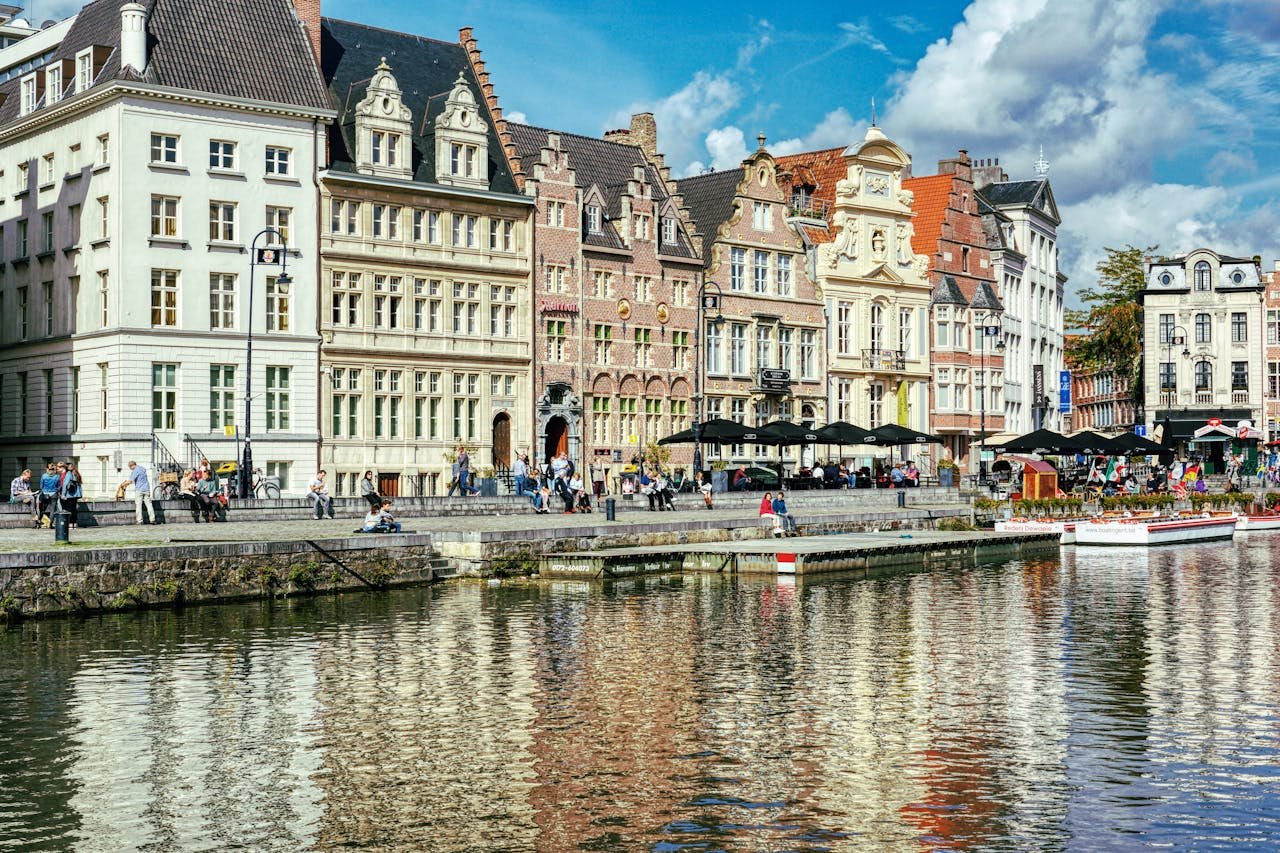
The Ghent canals are most iconic at the meeting point of the Graslei and Korenlei. These two quays, facing each other across the Leie River, were once the heart of Ghent’s thriving medieval port. Today, they represent one of the best-preserved ensembles of medieval architecture in Europe.
Walking along these quays is not just a visual treat; it is an exercise in mindful movement. According to the NHS, regular walking helps reduce the risk of chronic illnesses and improves cardiovascular health. As you admire the stepped gables, you are engaging in a low-impact activity that benefits both body and mind.
- Graslei: Known for its ornate guild houses, this quay was the centre of the grain trade.
- Korenlei: The opposite bank offers a perfect vantage point for photographers and those seeking a quiet moment.
- St Michael’s Bridge: The only spot in the city where you can see the three famous towers of Ghent in a single row.
The Therapeutic Power of a Ghent Boat Tour
One of the most popular ways to experience the Ghent canals is via a guided boat tour. Sitting on the water provides a perspective that street-level walking simply cannot match. From the water, the scale of the Castle of the Counts (Gravensteen) feels even more imposing and historical.
Beyond the sightseeing, being on the water has psychological benefits. The Mayo Clinic highlights that relaxation techniques, including being in nature, can help manage anxiety. The rhythmic movement of the boat and the gentle lap of the water against the hull create a sensory experience that encourages mindfulness.
Comparison of Ways to Experience the Canals
To help you decide how to best enjoy the Ghent canals, we have compared the most popular methods below:
| Activity | Health Benefit | Best For… | Estimated Duration |
|---|---|---|---|
| Guided Boat Tour | Stress reduction & mental relaxation | First-time visitors and history buffs | 40–60 minutes |
| Canal-side Walking | Cardiovascular health & joint mobility | Exploration and photography | 2–3 hours |
| Kayaking/Paddling | Upper body strength & core stability | Active travellers and hidden gems seekers | 1–2 hours |
Night-time Illumination: A Feast for the Senses
When the sun sets, the Ghent canals undergo a magical transformation. The city’s award-winning Lighting Plan ensures that the night-time illumination creates a safe, atmospheric, and aesthetically pleasing environment. This plan is designed to reduce light pollution while highlighting the Belgian heritage of the façades.
Exposure to well-designed urban lighting can improve feelings of safety and social cohesion. Organizations like the World Health Organization emphasise that safe urban spaces are critical for community health. Taking an evening stroll along the water is a great way to wind down before sleep, aiding your natural circadian rhythm.
Beyond the Centre: Hidden Gems and Nature
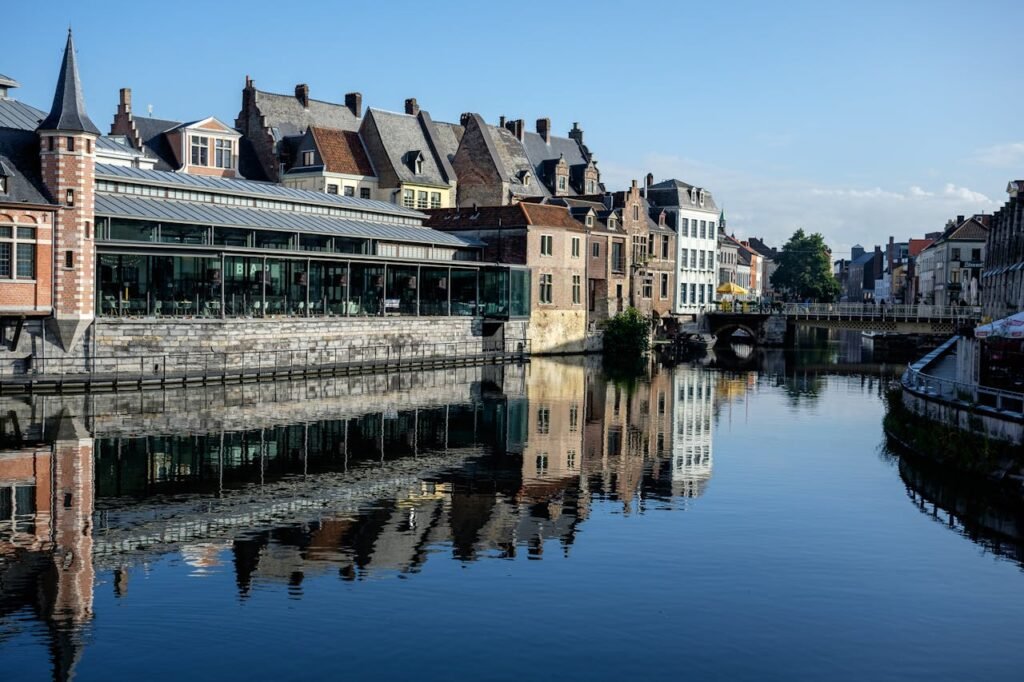
While the city centre is breathtaking, venturing slightly further afield reveals the true diversity of the Ghent canals. The hidden gems of Ghent are often found where the water meets greenery. Areas like the Coupure canal are lined with trees, providing a shaded path for joggers and cyclists.
The European Environment Agency monitors water quality across the continent, and Ghent has made significant strides in maintaining its urban waterways. This commitment to environmental health ensures that water-based activities remain a safe and enjoyable part of the local atmosphere.
Three Landmarks You Cannot Miss
- The Belfry of Ghent: A UNESCO World Heritage site that towers over the canal district.
- The Great Butchers’ Hall: A stunning medieval building where you can taste local Ghent specialities.
- Patershol: An ancient district near the water known for its winding alleys and exceptional culinary scene.
Mental Health and Urban “Blue Spaces”
Modern life is often lived at a frantic pace, which can lead to burnout. Incorporating “blue spaces” into your travel itinerary is a science-backed way to recuperate. According to the Mental Health Foundation, connecting with nature—even in an urban setting—can help manage the symptoms of depression and anxiety.
The Ghent canals act as a natural buffer against urban noise. The “soft fascination” of watching water allows the brain’s “directed attention” to rest, as noted in studies hosted by Psychology Today. This makes Ghent an ideal destination for those seeking a restorative city break.
For more information on the history of these waterways, the BBC provides extensive archives on the historical importance of the Low Countries’ trade routes. If you are planning a trip, Lonely Planet offers excellent practical advice on navigating the city’s various districts.
Practical Tips for Your Visit
To make the most of your time near the Ghent canals, consider the following health and travel tips:
- Stay Hydrated: While the water in the canals is for looking, ensure you carry a reusable bottle for drinking. Harvard Health notes that even mild dehydration can affect concentration and mood.
- Wear Proper Footwear: The cobblestones around the Ghent canals are charming but uneven. Support your feet to avoid strain, as recommended by Smithsonian historical perspectives on urban design.
- Travel Sustainably: Utilise the city’s excellent tram system or rent a bike to minimise your carbon footprint. National Geographic provides great insights into why sustainable choices matter for the future of historic cities.
- Respect the Locals: Ghent is a living city. Maintain a polite volume during late-night walks to support the community’s well-being.
For official travel updates and event schedules, visit Visit Flanders, the authoritative source for tourism in the region.
Frequently Asked Questions (FAQs)
Are the Ghent canals safe for kayaking?
Yes, kayaking on the Ghent canals is a popular and safe activity. There are designated rental points, and the water is generally calm. It provides a fantastic workout for your upper body while offering a unique view of the medieval architecture.
When is the best time to visit the Ghent canals?
While the summer months offer the most water-based activities, the Ghent canals are beautiful year-round. Autumn brings stunning colour to the trees lining the water, while winter offers a peaceful, frosty atmosphere that is perfect for a quiet city break.
How long does a typical boat tour take?
Most guided boat tours last approximately 40 to 50 minutes. This is an ideal length of time to see the major sights like the Castle of the Counts and the Belfry of Ghent without overexerting yourself, making it a great option for travellers of all ages.
Can I walk the entire length of the canals?
While the canal network is extensive, the historic centre is very walkable. Following the path of the Leie River through the centre allows you to see the most iconic sites within a few hours of light exercise.
