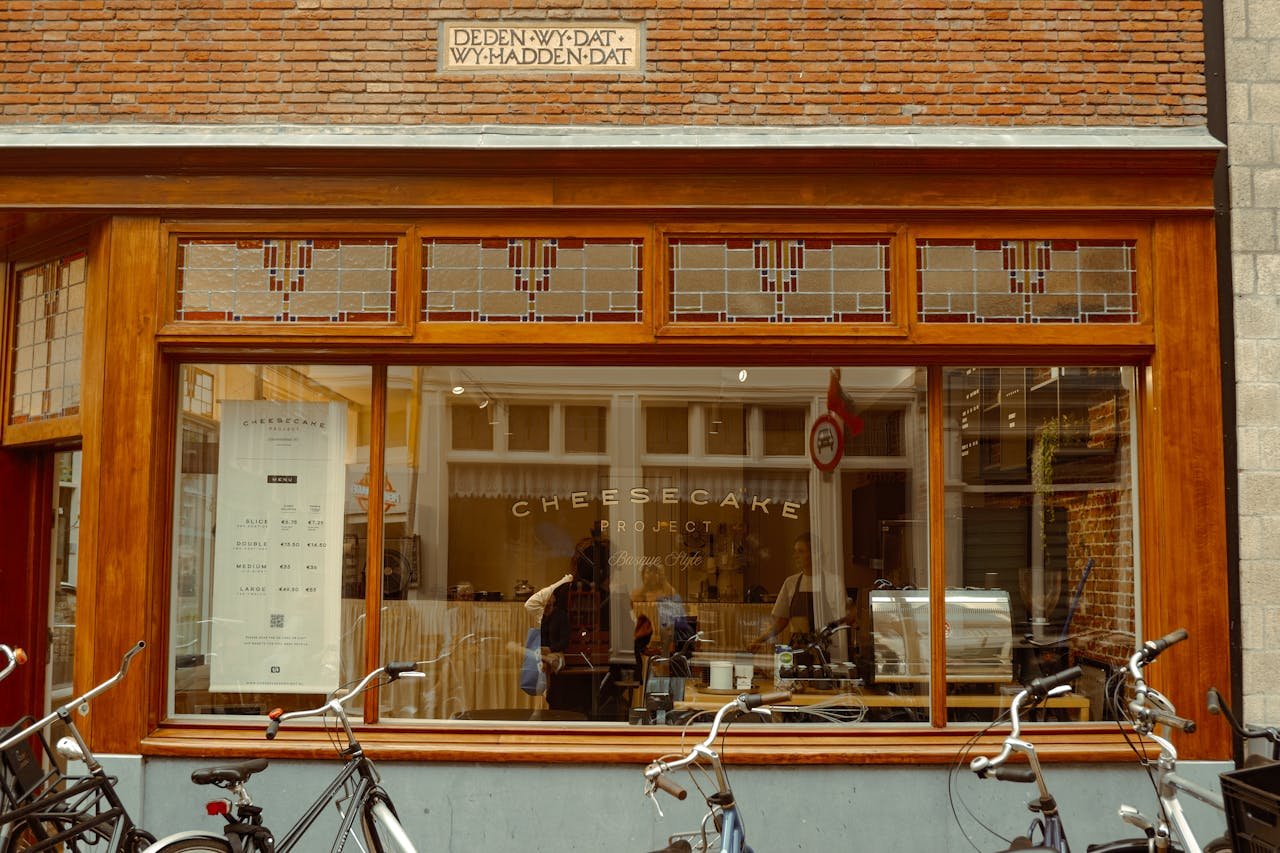
Amsterdam is a city built on stories, from its 17th-century canals to the layered histories found within its boutiques. For the modern traveller, exploring Amsterdam vintage shops is more than just a retail experience; it is an act of conscious consumerism. Choosing second-hand treasures over fast fashion reduces your carbon footprint and provides a unique way to express your personality.
Whether you are hunting for pre-loved designer handbags or rugged vintage denim, the Dutch capital offers an unparalleled selection. In this guide, we will navigate the cobblestone streets to find the best retro clothing and upcycled garments while highlighting how this sustainable lifestyle choice benefits both the planet and your well-being.
Why Shopping Vintage is Good for You and the Planet
The fashion industry is one of the world’s largest polluters. According to the UN Environment Programme, textile production contributes significantly to global greenhouse gas emissions. By frequenting thrift stores, you help extend the lifecycle of garments, preventing them from ending up in landfills.
Beyond the environmental impact, there is a psychological benefit to “slow shopping.” Engaging in the hunt for curated collections can be a form of mindfulness. Much like the stress-relief benefits of physical activity, spending a day walking through Amsterdam’s diverse neighbourhoods can improve your mood and provide a sense of achievement when you find that perfect piece of fashion history.
The Best Neighbourhoods for Amsterdam Vintage Shops
Amsterdam is conveniently divided into districts, each offering a distinct “vibe” for vintage hunters. Navigating these areas on foot is an excellent way to meet your daily physical activity goals while soaking in the local culture.
1. De Negen Straatjes (The 9 Streets)
Located in the heart of the canal belt, the Negen Straatjes is the quintessential destination for Amsterdam vintage shops. This area is famous for its picturesque views and high-end boutiques. Here, you will find curated collections that lean towards 20th-century luxury and high-quality retro clothing.
2. De Pijp
Known as the Latin Quarter of Amsterdam, De Pijp is home to a younger, bohemian crowd. The shops here often focus on sustainable fashion and quirky, affordable finds. It is a great place to discover 1970s prints and unique accessories that stand out from the crowd.
3. Amsterdam Noord
If you are looking for scale, head across the water. Amsterdam Noord hosts the IJ-Hallen flea market, the largest of its kind in Europe. It is a treasure trove for those willing to dig for second-hand treasures and upcycled garments at bargain prices.
Comparison of Popular Vintage Shopping Hubs
To help you plan your itinerary, here is a quick look at what each major area offers:
| District | Vibe | Price Range | Best For |
|---|---|---|---|
| Negen Straatjes | Chic & Sophisticated | €€ – €€€ | Pre-loved designer and leather goods |
| De Pijp | Bohemian & Trendy | € – €€ | 1990s streetwear and vintage denim |
| Waterlooplein | Eclectic & Gritty | € | Military surplus and thrift stores finds |
| Noord (IJ-Hallen) | Industrial & Massive | € | Bargain hunting and ethical shopping |
Must-Visit Amsterdam Vintage Shops
If you are short on time, these specific stores are essential stops on any Amsterdam vintage shops tour:
- Episode: A staple in the Dutch vintage scene, known for its massive selection of flannel shirts, boots, and vintage denim.
- Zipper: Located in the Negen Straatjes, this shop offers a fantastic mix of American imports and retro clothing from the 50s through the 80s.
- Rumors Vintage & Design: Highly curated and colourful, making it easy to find a statement piece without feeling overwhelmed.
- Marbles Vintage: Great for those who enjoy a classic thrift stores feel with well-organised racks and fair pricing.
The Connection Between Style and Sustainability
Embracing sustainable fashion is a powerful way to practice conscious consumerism. The Fashion Revolution movement highlights how our clothing choices affect global workers and ecosystems. By opting for items from Amsterdam vintage shops, you are boycotting the exploitative cycles of the fast fashion industry.
Furthermore, many shops in Amsterdam now focus on upcycled garments. These are pieces that have been repaired or redesigned to give them a modern edge, proving that fashion history can be reinvented for the 21st century. This alignment with a sustainable lifestyle is not just a trend; it is a necessary shift in how we view our wardrobes, as supported by research in Nature Reviews Earth & Environment.
Top Tips for a Successful Vintage Hunt
- Check for Quality: Look for natural fabrics like wool, silk, and cotton. Check the seams and zippers to ensure the item is durable.
- Know Your Measurements: Vintage sizing varies wildly by decade and country of origin. Carry a small tape measure if possible.
- Visit the Markets: Don’t miss the Waterlooplein market for a raw, authentic experience. It is one of the oldest markets in the city, rich in fashion history. You can learn more about its cultural significance at the Rijksmuseum.
- Be Patient: Shopping for second-hand treasures takes time. According to Psychology Today, the “thrill of the hunt” can release dopamine, making the experience rewarding.
- Carry Cash: While most shops in the Negen Straatjes accept cards, smaller stalls at the IJ-Hallen flea market may prefer cash.
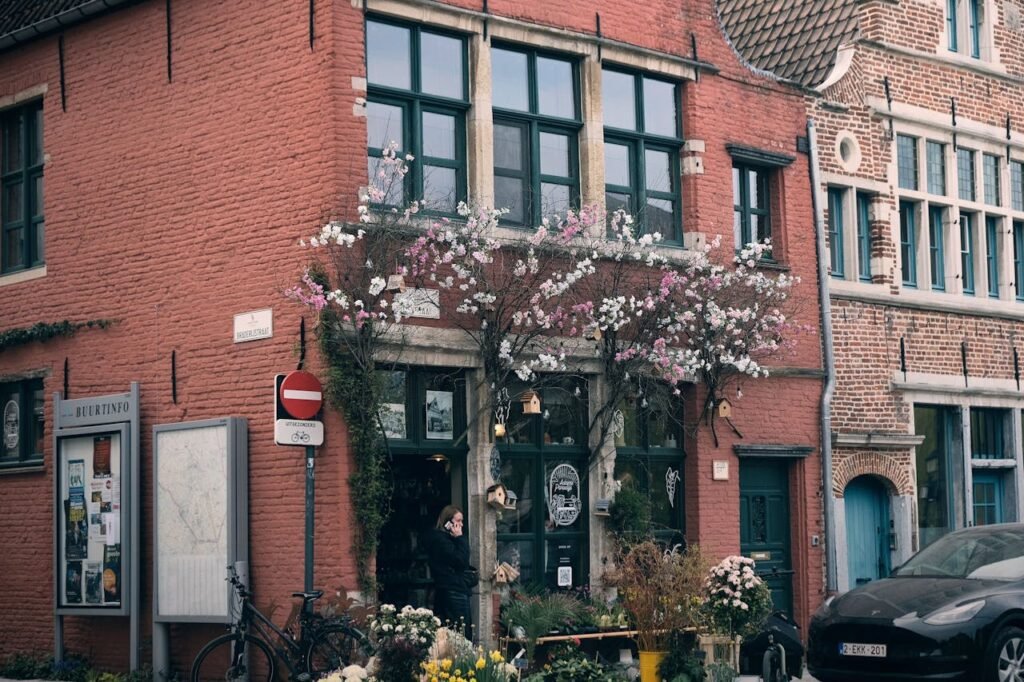
The Cultural Impact of Amsterdam’s Vintage Scene
Amsterdam has a long-standing reputation for being a progressive city. This extends to its embrace of ethical shopping. When you walk through the city, you see a blend of modern design and historical preservation. This respect for the past is why Amsterdam vintage shops thrive. They are not just selling clothes; they are preserving the city’s artistic soul.
For more inspiration on how to live more sustainably, the BBC’s guide to sustainable living offers excellent resources. Additionally, check out Lonely Planet’s Amsterdam guide for more travel tips. Organisations like Greenpeace frequently report on the benefits of circular economies, which vintage shopping directly supports.
Whether you are a seasoned collector or a novice, the Amsterdam vintage shops scene offers something for everyone. From the high-end pre-loved designer boutiques to the dusty bins of the IJ-Hallen flea market, you are sure to find a piece that tells a story. For more on the history of Dutch style, visit Vogue UK or explore the latest trends on Conde Nast Traveler.
Finally, remember that travel is an opportunity to improve your health. According to Healthline, walking is one of the best ways to maintain cardiovascular health. So, lace up your sneakers and start your sustainable shopping journey through Amsterdam today. For more eco-friendly travel tips, see National Geographic Travel.
Frequently Asked Questions (FAQs)
Are Amsterdam vintage shops expensive?
Prices vary significantly depending on the location. Shops in the Negen Straatjes tend to be more expensive due to their curated collections. However, if you visit thrift stores in areas like Amsterdam Noord or the Waterlooplein market, you can find very affordable items.
When is the best time to go vintage shopping in Amsterdam?
Most shops are open daily, typically from 10:00 or 11:00 am. However, the IJ-Hallen flea market only happens about once a month. It is always best to check the official I Amsterdam website for specific market dates and events.
Can I find designer brands in these shops?
Yes, Amsterdam is a hotspot for pre-loved designer items. Stores like L’Étoile de Saint Honoré or specifically curated boutiques in the canal district specialise in high-end brands like Chanel, Louis Vuitton, and Hermès, ensuring both authenticity and ethical shopping practices.
Is vintage shopping really more sustainable?
Absolutely. By purchasing existing clothing, you reduce the demand for new production, which saves water and reduces chemical runoff. Engaging in conscious consumerism through Amsterdam vintage shops is a practical step toward a more sustainable lifestyle.