


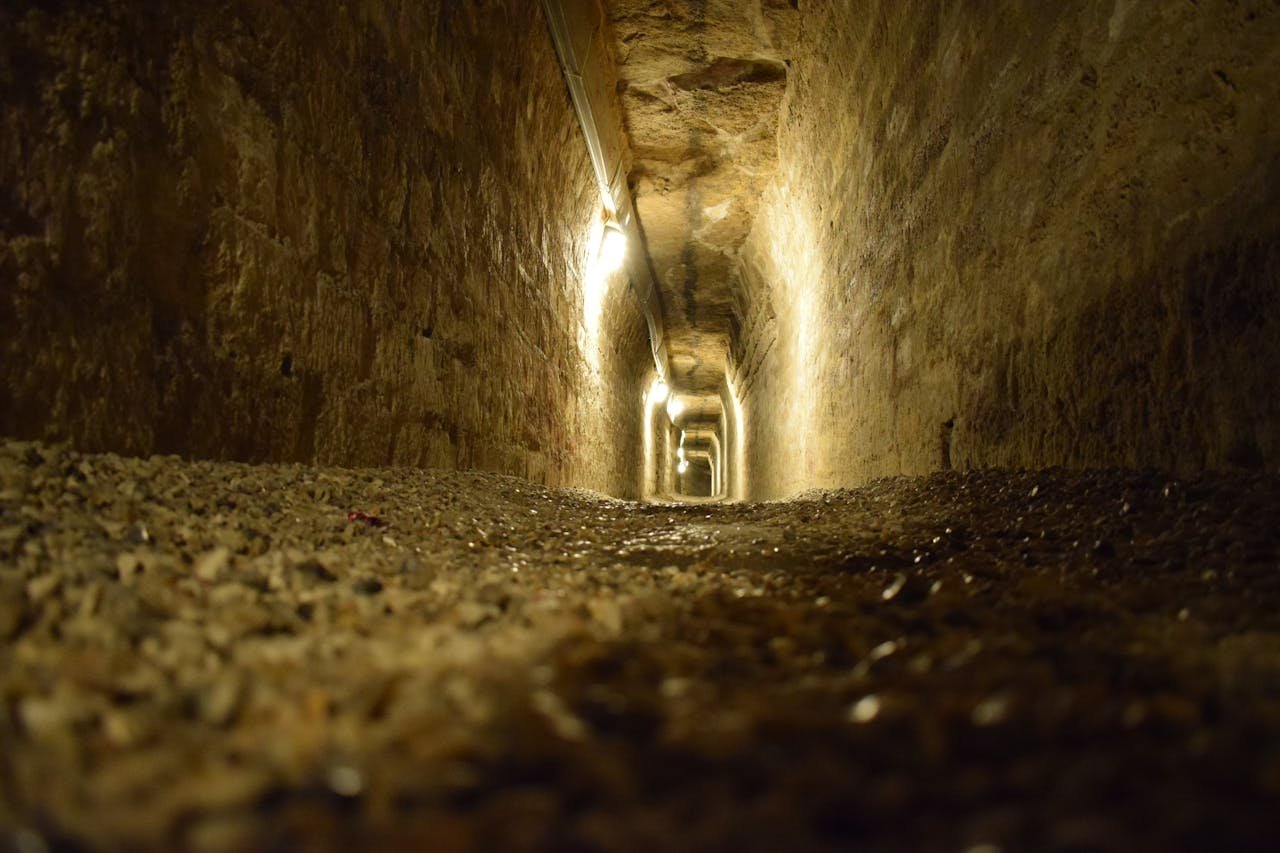
Deep beneath the bustling Italian capital lies a silent world of labyrinthine tunnels, ancient inscriptions, and hidden chambers. For many travellers, Rome catacombs tours offer a profound connection to the city’s spiritual and historical past that no museum above ground can replicate. Whether you are a history enthusiast or a curious explorer, venturing into underground Rome reveals the resilience and artistry of early civilisations.
In this guide, we will explore why these underground burial chambers are essential for your itinerary, how to prepare for your visit, and the fascinating stories etched into the very walls of these subterranean passages. As we delve into the religious heritage of the Eternal City, you will discover why these sites remain some of the most significant examples of Roman archaeology in the world.
Why Should You Consider Rome Catacombs Tours?
Choosing to embark on one of the many Rome catacombs tours is not just about seeing old bones; it is about witnessing the birth of early Christian art. During the 2nd to 5th centuries, these tunnels served as the primary burial sites for Christians, Jews, and pagans alike. Because the Roman law prohibited burials within the city walls, these vast networks were carved out of soft volcanic tufa stone on the outskirts.
Research suggests that engaging with cultural history through necropolis tours can significantly boost cognitive engagement and mental wellbeing. According to experts at Psychology Today, cultural exploration fosters empathy and provides a fresh perspective on our shared human experience.
The Benefits of a Guided History Walk
While some sites allow for independent exploration, a guided history walk is highly recommended. Professional guides provide context that brings the cold stone to life. They can point out subtle symbols—such as the fish (ichthys) or the anchor—that served as secret codes for early believers. To truly appreciate the sacred history of these sites, expert narration is invaluable.
- Expert Navigation: The tunnels can be disorienting; a guide ensures you stay on the right path.
- Deep Context: Learn about the transition from pagan rituals to Christian traditions.
- Access: Some areas, like certain martyr graves, are only accessible via specific tour groups.
Top Catacombs to Visit in Rome
With over 40 catacombs scattered around the city, deciding where to go can be overwhelming. Most Rome catacombs tours focus on the sites located along the historic Appian Way (Via Appia Antica). Here are the three most prominent locations you should consider:
1. The Catacombs of St. Callixtus
Often cited as the most popular choice for visitors, St. Callixtus is the official cemetery of the Church of Rome in the 3rd century. It is home to the famous Crypt of the Popes, where several early bishops of Rome were interred. This site offers a comprehensive look at the scale of ancient sepulchres, spanning nearly 15 miles of tunnels.
2. The Catacombs of Domitilla
The Domitilla Catacombs are unique because they are situated over an ancient 2nd-century pagan cemetery. These are among the largest and oldest in the city and are famous for their well-preserved frescoes. Exploring this site is like walking through a gallery of late-antique paintings, as noted by researchers at ScienceDaily.
3. The Catacombs of Priscilla
Located on the Via Salaria, these catacombs are often referred to as the “Queen of the Catacombs” due to the large number of martyrs buried there. It contains some of the earliest known depictions of the Virgin Mary, making it a cornerstone for those interested in the evolution of religious iconography.
Comparing the Major Catacombs Sites
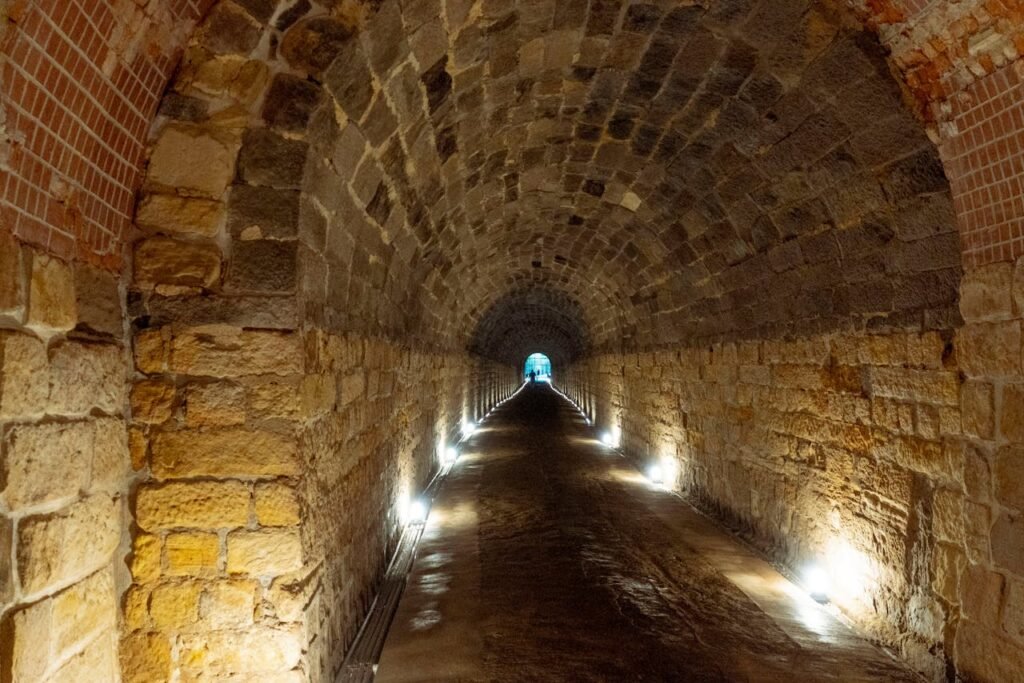
To help you decide which experience fits your needs, we have compiled a comparison of the primary locations included in most Rome catacombs tours.
| Catacomb Site | Primary Highlight | Physical Difficulty | Historical Era |
|---|---|---|---|
| St. Callixtus | Crypt of the Popes | Moderate (many stairs) | 2nd – 4th Century |
| Domitilla Catacombs | Ancient Frescoes | Low to Moderate | 2nd – 5th Century |
| St. Sebastian | Martyr Tombs | Moderate | 3rd – 4th Century |
| Priscilla | Earliest Mary Artwork | Moderate | 2nd – 4th Century |
Planning Your Visit: Health and Practical Tips
Before you book your Rome catacombs tours, there are several practical and health-related factors to keep in mind. Descending into narrow, underground spaces requires a bit of preparation to ensure a comfortable experience.
Physical Activity and Mobility
A visit to the catacombs involves a significant amount of walking and climbing stairs. The NHS highlights that walking is one of the best ways to maintain cardiovascular health, but it is important to know your limits. If you have severe respiratory issues or limited mobility, check with the tour operator regarding accessibility options.
Claustrophobia and Environment
The tunnels are narrow, dimly lit, and maintained at a constant temperature of around 15°C (60°F). For individuals who experience claustrophobia, the enclosed nature of these underground burial chambers might be challenging. If you are prone to anxiety in tight spaces, the Mayo Clinic provides helpful resources on managing phobias during travel.
- Dress Appropriately: Even in summer, the tunnels are cool. Bring a light jacket or jumper.
- Respect the Dress Code: These are sacred religious sites. Ensure your shoulders and knees are covered, similar to the rules at the Vatican Museums.
- Footwear: Wear comfortable, sturdy shoes. The floors can be uneven and occasionally damp due to the nature of the tufa stone.
- Stay Hydrated: Walking in Rome can be exhausting. Regular hydration is key to maintaining energy levels, as suggested by Harvard Health.
The Historical Significance of the Catacombs
The catacombs are much more than just cemeteries; they are a testament to the complex social fabric of ancient Rome. Scholars at Oxford University often utilise these sites to study the demographics and burial customs of the era. The inscription of many of these sites on the UNESCO World Heritage list underscores their global importance.
According to History.com, the catacombs were not used as secret hiding places during persecutions, as commonly believed in popular fiction. Instead, they were regular places of rest for the deceased and communal gathering spots for memorial meals. This distinction is vital for understanding the religious heritage of the time.
Geologically, the catacombs exist because of the unique properties of Roman soil. A study published in Nature explores how the volcanic tufa provided an ideal medium for carving stable, extensive tunnel systems that have survived for nearly two millennia.
Frequently Asked Questions (FAQs)
Are Rome catacombs tours suitable for children?
Yes, most children find the experience fascinating. However, parents should be aware that the tunnels can be long and require a lot of walking. It is an excellent educational opportunity to learn about Roman history in an immersive way. Please note that strollers/buggies are generally not permitted inside the tunnels.
Can I take photos inside the catacombs?
Generally, photography is strictly prohibited inside the catacombs to protect the delicate early Christian art and maintain the solemnity of the burial site. It is always best to check the specific rules of the site you are visiting on the official Rome tourism website.
Do I need to book my tour in advance?
Booking in advance is highly recommended, especially during peak tourist season. This ensures you secure a spot with a guide who speaks your preferred language. You can find more information on the history and booking through the Britannica guide to catacombs.
Is it safe to visit the catacombs?
Yes, the sites open to the public are regularly inspected for structural integrity. The tufa stone is remarkably stable. To learn more about the preservation of these sites, you can read articles from Smithsonian Magazine or explore further at National Geographic.
Exploring the depths of Rome provides a rare opportunity to step back in time. By booking Rome catacombs tours, you are not just seeing a tourist attraction; you are honouring centuries of human history and cultural evolution. Ensure you prepare well, stay curious, and enjoy the unique atmosphere of Underground Rome.
