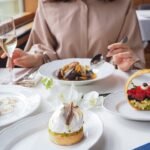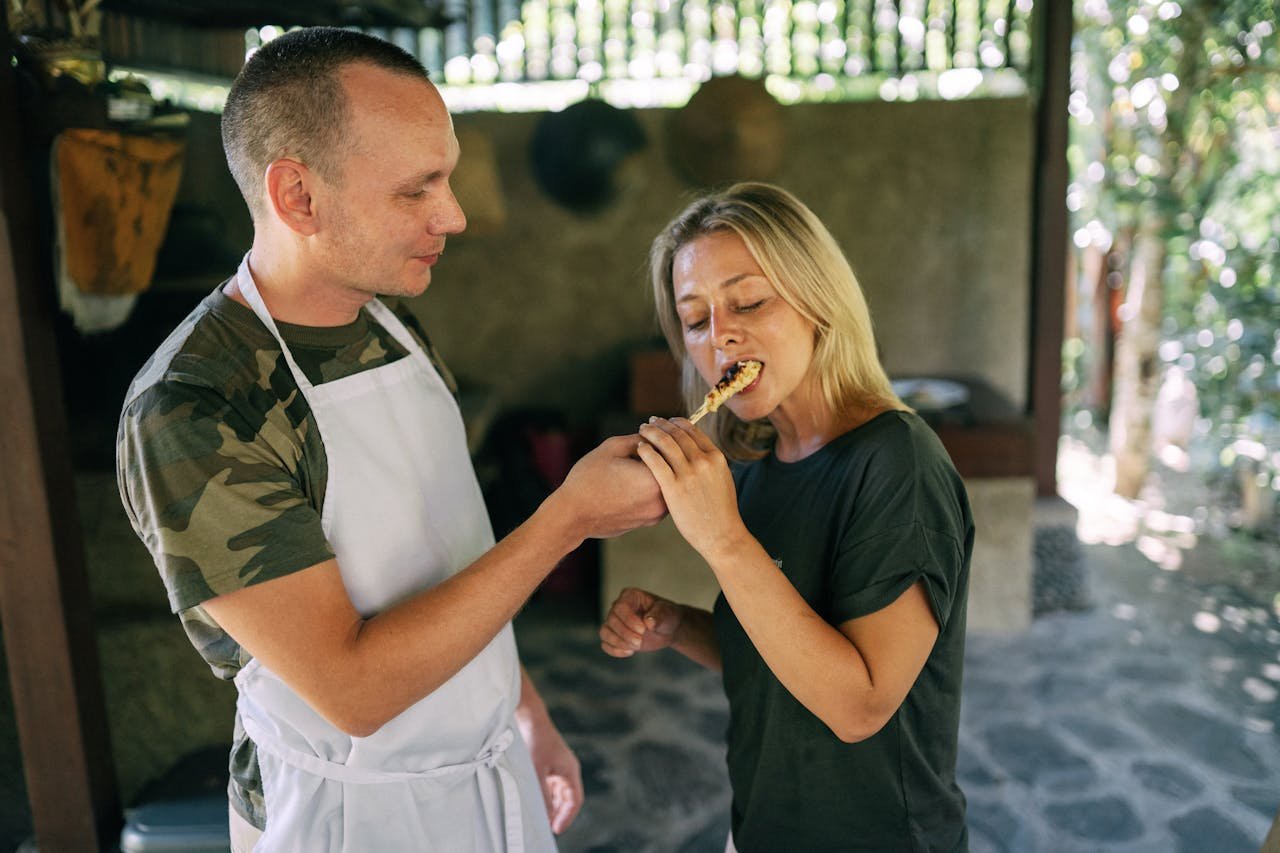
In a world where we are often rushed and reliant on processed convenience, the concept of a cooking vacation has emerged as a powerful way to reconnect with what we eat. Far more than just a holiday, it is an immersive journey into culinary tourism, where the kitchen becomes a classroom and the local market a treasure trove of culture. Whether you are kneading sourdough in a rustic French farmhouse or grinding spices in a vibrant Thai village, these experiences offer a unique blend of relaxation and skill-building.
At its heart, a cooking vacation is about slow living. It allows you to step away from the digital world and engage your senses. According to the NHS, taking an active interest in food preparation is a fundamental step toward better long-term health. By focusing on authentic local recipes and fresh ingredients, you are not just learning to cook; you are learning to thrive.
Why Gastronomy Travel is the New Wellness Trend
The rise of gastronomy travel reflects a shift in how we perceive “health.” It is no longer just about calorie counting; it is about the joy of creation and the quality of ingredients. Engaging in hands-on culinary workshops provides a sense of accomplishment that many modern jobs lack. Research published by Nature suggests that shared creative activities can significantly improve social bonding and emotional resilience.
Many travellers are now seeking a farm-to-table experience, where they can see exactly where their food comes from. This connection to the land fosters a deeper appreciation for sustainable food sourcing, helping us make more ethical choices long after the holiday ends.
The Mental Health Benefits of Cooking
There is a therapeutic quality to chopping, stirring, and seasoning. Experts often discuss the mental health benefits of cooking, noting that the focus required can induce a “flow state” similar to meditation. Psychology Today highlights that culinary tasks can reduce stress and provide a creative outlet for self-expression. When you combine this with the serenity of a new location, the restorative power of a cooking vacation becomes evident.
Choosing the Right Cooking Vacation for You
Not all culinary trips are created equal. Depending on your goals, you might prefer a rigorous professional environment or a relaxed, social atmosphere. Below is a comparison to help you decide which style of food and wellness retreat suits your needs.
| Type of Experience | Best For | Focus Area |
|---|---|---|
| Rustic Farmstay | Families and Nature Lovers | Sustainable food sourcing and traditional methods |
| Professional School | Aspiring Chefs | Technical skills and professional chef guidance |
| Urban Boutique Class | Short-stay Travellers | Modern regional food culture and quick techniques |
| Wellness Retreat | Health Seekers | Mediterranean diet benefits and mindful eating practices |
Mastering Healthy Cooking Techniques
One of the most valuable takeaways from a culinary getaway is the mastery of healthy cooking techniques. Instead of relying on heavy fats and sugars, you will learn how to use acidity, herbs, and heat to elevate a dish. The World Health Organization (WHO) emphasises the importance of reducing salt and free sugars, a transition that is much easier when you know how to use fresh aromatics effectively.
Popular themes in modern cooking holidays include:
- Plant-based cooking classes: Learning to make vegetables the star of the plate.
- Fermentation workshops: Understanding gut health through kimchi, kombucha, and kefir.
- Seafood mastery: Sourcing and preparing fresh catch responsibly.
- Traditional baking: The science of ancient grains and natural yeasts.
The Mediterranean Influence
Many people flock to Italy, Greece, or Spain for a cooking vacation to understand the Mediterranean diet benefits firsthand. This eating pattern is widely considered the gold standard for longevity. As noted by the Mayo Clinic, focusing on healthy fats like olive oil and a high intake of plant foods can lower the risk of cardiovascular disease. The British Heart Foundation also supports these dietary patterns for maintaining a healthy heart.
Practical Tips for Your Culinary Adventure
To get the most out of your solo travel for foodies or group trip, preparation is key. Here is how to ensure your trip is a success:
- Research the Instructor: Look for professional chef guidance with experience in teaching, not just cooking.
- Check the Language: Ensure the classes are taught in a language you are comfortable with, or that a translator is provided.
- Pack for the Kitchen: Comfortable, closed-toe shoes are essential for safety during hands-on culinary workshops.
- Embrace Mindful Eating: Use the opportunity to practice mindful eating practices, focusing on the texture and flavour of every bite.
Studies found on ScienceDirect indicate that travellers who engage deeply with regional food culture report higher levels of satisfaction and cultural empathy. This is why many culinary tours are recognized as UNESCO Intangible Cultural Heritage experiences.
The Long-term Impact on Lifestyle
The benefits of a cooking vacation don’t end when you unpack your suitcase. Bringing these new skills home can lead to a permanent improvement in your dietary habits. The National Institutes of Health (NIH) suggests that increased cooking skills are linked to a higher intake of fruits and vegetables. Furthermore, The British Nutrition Foundation highlights that being confident in the kitchen is a vital life skill for all ages.
By investing in your culinary education, you are investing in a more vibrant, flavourful, and healthy future. As The Guardian often notes, food is the ultimate gateway to understanding a new culture, making it the perfect focal point for your next escape.
Whether you are interested in the latest plant-based cooking classes or want to master age-old techniques, there is a cooking vacation designed for you. It is an opportunity to nourish your body, stimulate your mind, and return home with a repertoire of recipes that will impress your friends and sustain your health for years to come. For more on the intersection of lifestyle and health, journals like Nutrition Reviews and The Lancet Public Health provide ongoing evidence of how our environment and habits shape our wellbeing.
Frequently Asked Questions (FAQs)
Do I need to be an experienced cook to go on a cooking vacation?
Absolutely not. Most programmes are designed to accommodate various skill levels. Whether you are a complete novice or a seasoned home cook, instructors will tailor their professional chef guidance to help you progress at your own pace.
Can I go on a cooking vacation if I have dietary restrictions?
Yes, many organisers now offer specialised retreats, such as gluten-free, vegan, or allergy-conscious options. It is always best to communicate your needs with the host during the booking process to ensure the authentic local recipes can be adapted for you.
Are cooking vacations suitable for solo travellers?
They are ideal! Solo travel for foodies is a growing trend. The communal nature of the kitchen and the shared experience of dining together make it very easy to meet like-minded people in a relaxed, friendly environment.
What should I expect a typical day to look like?
A typical day often begins with a visit to a local market or farm for sustainable food sourcing, followed by a mid-morning or afternoon cooking session. The day usually concludes with a communal meal where you enjoy the dishes you have prepared, often paired with local beverages.
How much do these trips usually cost?
Costs vary widely based on the location, duration, and level of luxury. Options range from affordable day-long hands-on culinary workshops to all-inclusive week-long stays in high-end villas. There is something available for almost every budget.