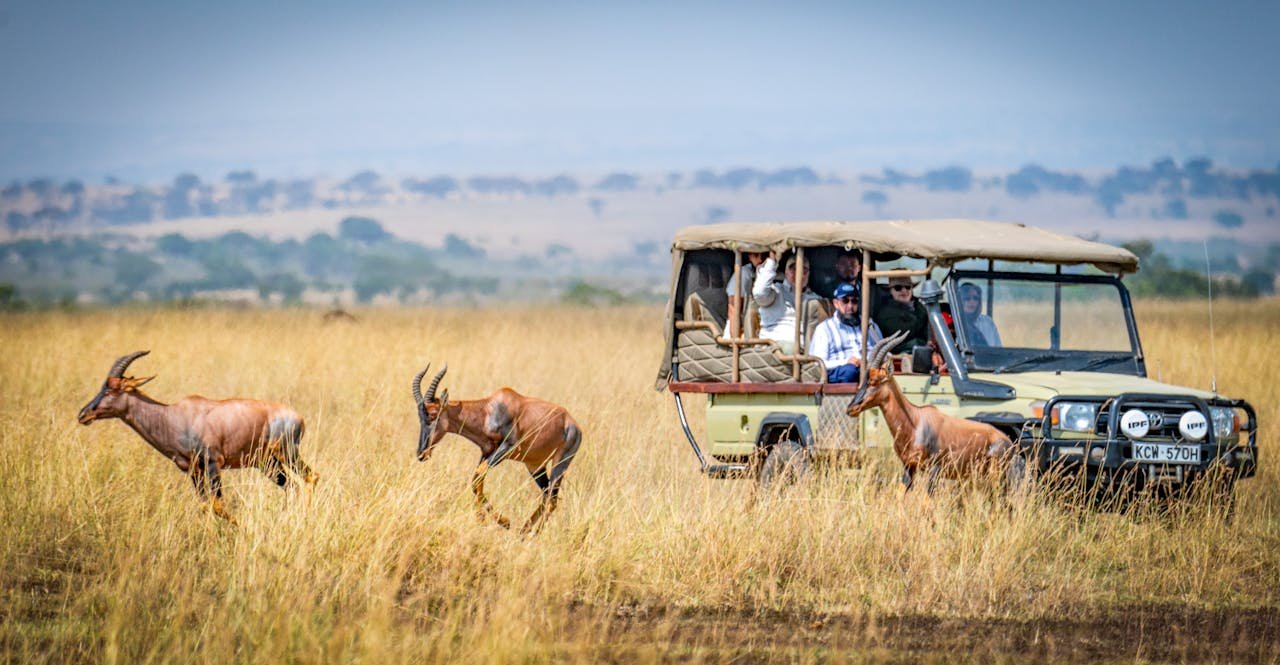
For many of us, the highlight of any holiday is the chance to see a majestic elephant in the wild or swim alongside a turtle in crystal-clear waters. However, as global tourism continues to expand, the line between appreciation and exploitation has become increasingly blurred. Choosing an ethical wildlife experience is no longer just a trend; it is a vital necessity for the health of our planet and the creatures that inhabit it.
At its heart, ethical wildlife viewing means prioritising the needs and natural behaviours of animals over human entertainment. When done correctly, responsible tourism can provide essential funding for wildlife conservation and support local communities. When done poorly, it can lead to lifelong trauma for animals and contribute to the decline of endangered species.
The Core Pillars of Animal Welfare
To understand how to engage with nature responsibly, we must look at animal welfare through a scientific lens. The World Animal Protection organisation emphasises that animals should have the freedom to behave naturally. In many popular tourist spots, captive animals are forced into unnatural interactions, such as performing tricks or posing for “selfies.”
True eco-tourism focuses on habitat protection. This ensures that the environments animals rely on remain pristine and undisturbed. According to the WWF, maintaining these ecosystems is the most effective way to combat biodiversity loss.
Ethical Wildlife vs. Unethical Practices: At a Glance
It can be difficult to tell the difference between a genuine refuge and a tourist trap. Use this table to help you make informed decisions on your next trip.
| Feature | Ethical Wildlife Encounter | Unethical Practice |
|---|---|---|
| Interaction | Observation from a safe distance. | Touching, riding, or hugging animals. |
| Feeding | No feeding allowed; animals find their own food. | Feeding to lure animals closer for photos. |
| Environment | Natural habitats or large, open enclosures. | Small cages, concrete pits, or chains. |
| Education | Focuses on biology and conservation. | Focuses on “shows” and human amusement. |
| Impact | Funds go back into wildlife conservation. | Profits usually benefit private owners. |
How to Identify Genuine Wildlife Sanctuaries
The word “sanctuary” is often used loosely. To ensure you are visiting legitimate wildlife sanctuaries, look for facilities that do not breed animals and do not allow public contact. The Born Free Foundation provides excellent resources for identifying high-standard facilities that prioritise rehabilitation over profit.
Key indicators of a reputable centre include:
- A focus on the “Five Freedoms” of animal welfare.
- Transparent information about where their animals come from.
- Adherence to travel standards set by organisations like ABTA.
- Evidence of supporting local communities through employment and education.
The Delicate Balance of Marine Life
Our oceans are particularly vulnerable to the impacts of sustainable travel. From coral bleaching to the disruption of whale migration patterns, human presence in the water must be managed with extreme care. The Marine Conservation Society warns that marine life is under constant stress from noise pollution and physical interference.
When booking a boat tour or a diving excursion, ensure the operator follows strict responsible encounters protocols. This includes never chasing animals and maintaining a minimum distance of 100 metres at all times. Studies published on Nature.com highlight how repeated disturbances can lead to decreased reproductive success in marine mammals.
Practising Ethical Photography
In the age of social media, the desire for the “perfect shot” can lead to poor choices. Ethical photography involves patience and respect. Experts at National Geographic suggest using long lenses to capture behaviour without intruding on an animal’s personal space. If an animal changes its behaviour because of your presence, you are too close.
Tips for the Responsible Traveller
- Research before you go: Check the IUCN Red List to understand the status of species you hope to see.
- Choose local guides: Opt for guides who are trained in ecology rather than just finding animals.
- Report abuse: If you see captive animals being mistreated, report it to local authorities or groups like PETA UK.
- Leave no trace: Stick to designated paths to ensure habitat protection.
- Avoid “baiting”: Never support tours that use food to attract wildlife.
The Role of Government and Global Policy
Individual choices are powerful, but systemic change is also required. The UN Environment Programme works with governments to create policies that favour sustainable travel. Furthermore, UNESCO World Heritage sites often have the strictest regulations to protect endangered species within their borders. Supporting these sites through entry fees helps maintain the wildlife conservation efforts required to keep these areas viable.
Organisations like Conservation International emphasize that when we protect nature, we also protect the climate. This interconnectedness is why ethical wildlife practices are a cornerstone of modern environmentalism.
Final Thoughts: Moving Toward a Better Future
As we become more aware of biodiversity loss, our travel habits must evolve. By choosing responsible tourism, we ensure that future generations can enjoy the wonder of the natural world. The Royal Geographical Society suggests that the best way to travel is with a “mindful” approach—observing the world as a guest, not a consumer.
Every time you choose a walk in a national park over a visit to a “tiger temple,” you are voting for a more compassionate world. You can stay updated on environmental trends through outlets like The Guardian or watch educational documentaries from BBC Earth to deepen your understanding of the animals you love.
Frequently Asked Questions (FAQs)
What is the difference between a zoo and a sanctuary?
While both house animals, a zoo often focuses on public display and breeding. An ethical sanctuary focuses on providing a permanent home for rescued animals without breeding them or forcing them to interact with the public.
Is it ever okay to touch a wild animal?
In almost all cases, no. Touching wild animals can transmit diseases, cause immense stress, and habituate them to humans, which often leads to the animal being culled if it approaches people in the future.
How can I tell if a tour operator is truly “green”?
Look for third-party certifications and read their welfare policy. If their marketing focuses on “hugging” or “feeding” animals, they are likely not following ethical wildlife guidelines.
Does my money really help conservation?
Yes, but only if you choose the right operators. Legitimate eco-tourism projects reinvest a significant portion of their profits into habitat protection and anti-poaching initiatives.