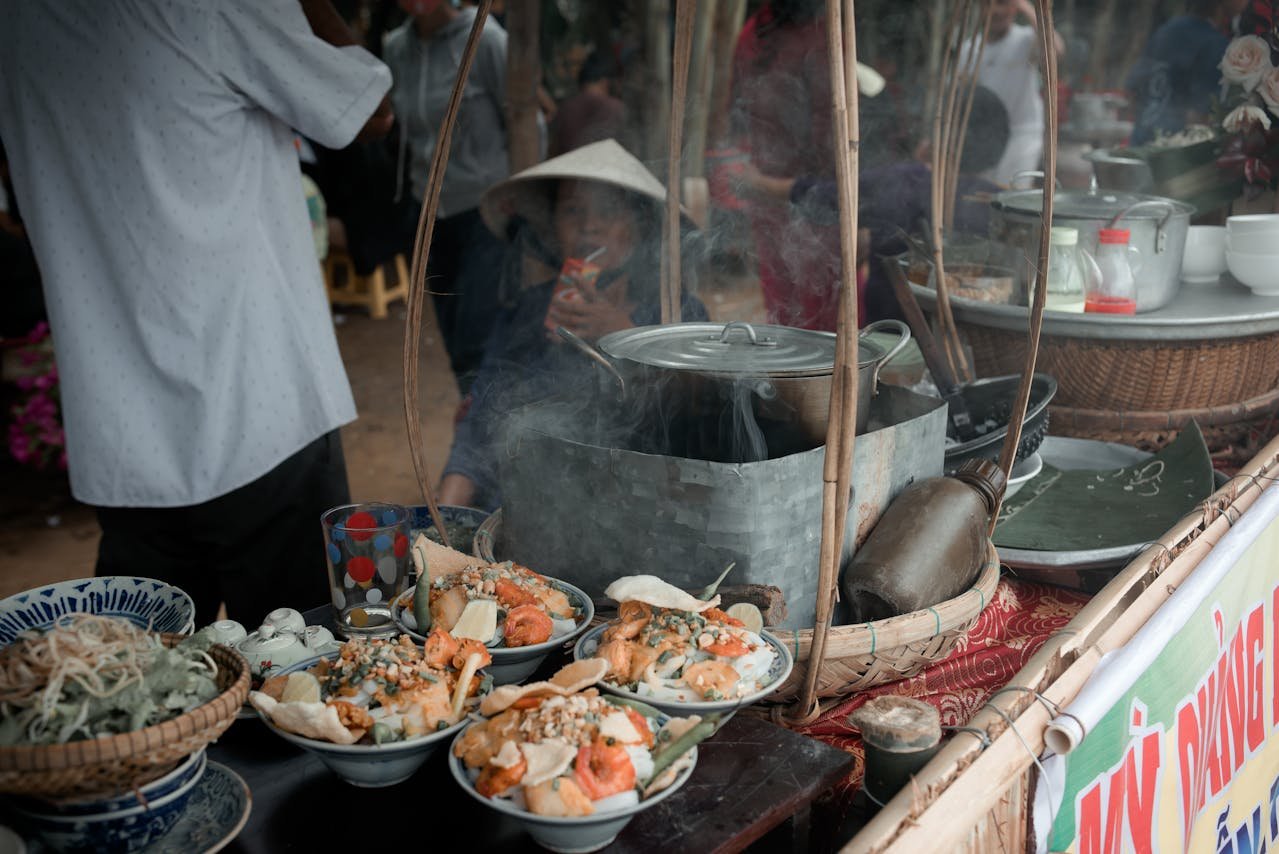
For many of us, the heart of any journey lies in the flavours we encounter. However, the misconception that a memorable culinary journey requires a bottomless wallet often prevents travellers from fully exploring. Budget food travel is not about deprivation; it is about strategic choices that lead to more authentic, nutritious, and soul-satisfying experiences.
Whether you are wandering through the neon-lit alleys of Tokyo or the sun-drenched plazas of Madrid, eating well on a budget is an art form. By focusing on cultural immersion and local habits, you can uncover hidden gems that high-end tourists often miss. In this guide, we will explore how to nourish your body and your wanderlust without compromising your financial health.
The Philosophy of Budget Food Travel
When we talk about budget food travel, we are referring to a mindset. It is the shift from being a passive consumer to an active explorer. Instead of gravitating toward the “tourist menus” in the city centre, look for where the locals queue. According to Lonely Planet, the best indicators of quality and value are often plastic stools and a limited menu.
This approach naturally leads to authentic cuisine—the kind of food that has been perfected over generations. It also allows you to manage your nutritional intake more effectively, as local diets often rely on fresh, seasonal produce rather than processed imports.
Top Strategies for Finding Cheap Eats
Mastering the art of dining out on a budget requires a few “boots-on-the-ground” tactics. Here are the most effective ways to keep your stomach full and your wallet heavy:
- Follow the Students: Areas surrounding universities are goldmines for cheap eats that are both filling and flavourful.
- Eat Your Main Meal at Midday: Many European and Latin American countries offer a “Menu del Dia” or a fixed-price lunch. This provides a multi-course meal for a fraction of the dinner price.
- Utilise Street Food Markets: From the hawker centres of Singapore to the taco stands of Mexico, street food markets are the pinnacle of budget food travel.
- Check Digital Reviews: Platforms like TripAdvisor and Google Maps allow you to filter by price range and read honest feedback from fellow travellers.
The Power of Local Supermarkets
One of the most overlooked aspects of budget food travel is the local grocery store. Exploring local supermarkets is a cultural experience in itself. You can find unique regional specialties—from artisan cheeses to local preserves—that make for a perfect picnic. According to Eater, grocery stores are often the best places to understand the true food culture of a nation.
Comparing Your Dining Options
To help you decide where to allocate your holiday funds, consider this comparison of common dining styles:
| Dining Type | Cost Level | Authenticity | Typical Meal |
|---|---|---|---|
| Street Food | Low | Very High | Noodles, Tacos, Satay |
| Local Bistro/Cafe | Medium | High | Set Lunch Menu |
| Supermarket Picnic | Very Low | Medium | Fresh Bread, Cheese, Fruit |
| Hotel Restaurant | High | Low | International Buffet |
Prioritising Health and Safety
While chasing culinary experiences, health should remain a priority. Travellers’ tummy is a real risk, but it can be mitigated with smart choices. Following WHO food safety guidelines is essential when eating in unfamiliar environments.
Food Safety Tips for Travellers
- Observe the Turnover: High foot traffic usually means the food is fresh and hasn’t been sitting out for hours.
- Watch it Cook: Prefer stalls where you can see the food being prepared at high temperatures.
- Be Cautious with Water: In many regions, tap water is not safe. Consider water purification tablets or a filtered bottle to save money on bottled water and reduce plastic waste, as highlighted by Nature.
- Peel it Yourself: Stick to fruits that you can peel, such as bananas or oranges, to ensure the flesh hasn’t been contaminated by local water.
For more advice on staying healthy while travelling, check the UK Foreign Travel Advice website for specific country recommendations.
Self-Catering and Meal Planning
If you are staying in self-catering accommodation, you have the ultimate control over your budget. Meal planning allows you to prep breakfast and dinner, leaving more room in your budget for a nice lunch out. This is also an excellent way to ensure you are maintaining a balanced diet, as suggested by the Mayo Clinic regarding hydration and nutrition.
Consider visiting a local market early in the morning. You’ll find the freshest seasonal produce and can often strike up a conversation with the vendors. This is cultural immersion at its most basic and beautiful level.
How to Find Affordable Food Tours
You don’t have to navigate the food scene alone. Many cities offer food tours that are surprisingly affordable. These tours provide context, history, and a curated list of the best hidden gems. Websites like BBC Travel often feature stories on the evolution of these local food scenes. If a guided tour is out of your price range, many bloggers offer “DIY” food tours on sites like Saveur or Food & Wine.
Sustainability and Ethics
Budget travel doesn’t have to mean unethical travel. Supporting small, family-run businesses ensures your money goes directly into the local economy. As National Geographic Travel points out, eating locally is often more sustainable than consuming imported goods found in luxury hotels. For more on the intersection of travel and ethics, The Guardian Travel offers excellent long-form reporting. You can also consult Rough Guides for tips on responsible tourism in specific regions.
Frequently Asked Questions (FAQs)
Is street food safe for everyone to eat?
While generally safe if you follow food safety tips like choosing busy stalls, people with compromised immune systems or certain chronic conditions should be more cautious. Always ensure meat is cooked through and served piping hot.
How do I find authentic cuisine without speaking the language?
Look for menus that don’t have pictures or English translations—this usually indicates they cater to locals. You can also use translation apps or simply point to a dish that looks delicious on another diner’s table!
Can I really save money by cooking while on holiday?
Absolutely. Staying in self-catering accommodation and shopping at local supermarkets can reduce your food costs by up to 60%. It also allows you to experiment with regional specialties in your own kitchen.
By following these strategies, budget food travel becomes less about saving pennies and more about enriching your global perspective through the universal language of food.